When Life Feels Unsteady
Epilepsy does not arrive with a warning — yet it leaves waves of uncertainty long after a seizure ends.
A fall in the bathroom.
A tremor in front of a crowd.
A memory slipping away mid-sentence.
Anxious eyes watching every breath.
Seizures last seconds… but the fear lasts all day.
“What if it happens again?”
— a question many live with quietly.
Epilepsy affects far more than the brain’s electrical signals. It touches movement confidence, cognitive clarity, emotional steadiness, sleep, and identity.
That is why global neuroscientific standards now emphasize that effective epilepsy care must go beyond medication — and include structured rehabilitation.
At MHITR®, we are introducing a research-aligned, human-centric therapeutic model designed to empower individuals to regain independence — physically, mentally, and emotionally — in everyday life.
Where the Body Feels Fear — Physiotherapy Restores Trust
After a seizure, even the body becomes a reminder of vulnerability.
“I don’t want to climb the stairs… What if I fall again?”
Cerebellar disturbances and vestibular imbalance often make individuals fearful of walking alone. Physiotherapy restores trust through:
Reinforcing postural stability and balance responses
Improving gait and coordination
Strengthening core muscles to reduce collapse risk
Every step achieved restores dignity.
Research shows 40–50% improvement in motor balance and gait quality when physiotherapy is routinely integrated into epilepsy care.
Each confident step forward frees the mind to focus on life — not fear.
Where the Mind Hesitates — Cognitive Rehabilitation Rebuilds Capability
“Why can’t I remember like others?”
— asked a teenager struggling in school after repeated seizures.
Temporal and frontal-lobe disruptions can affect:
Working memory
Concentration
Processing speed
Decision-making
Through Cognitive Stimulation Therapy, neural networks responsible for learning and daily functioning are strengthened. As clarity returns, anxiety softens.
Studies demonstrate 50–60% improvement in executive-function performance when cognitive therapy complements routine medical care.
A confident mind encourages motion — not withdrawal.
Where Emotions Overwhelm — Yoga and Pranayama Bring Stability
A sudden thought —
“Did my heartbeat just change?” —
can feel like the start of a crisis.
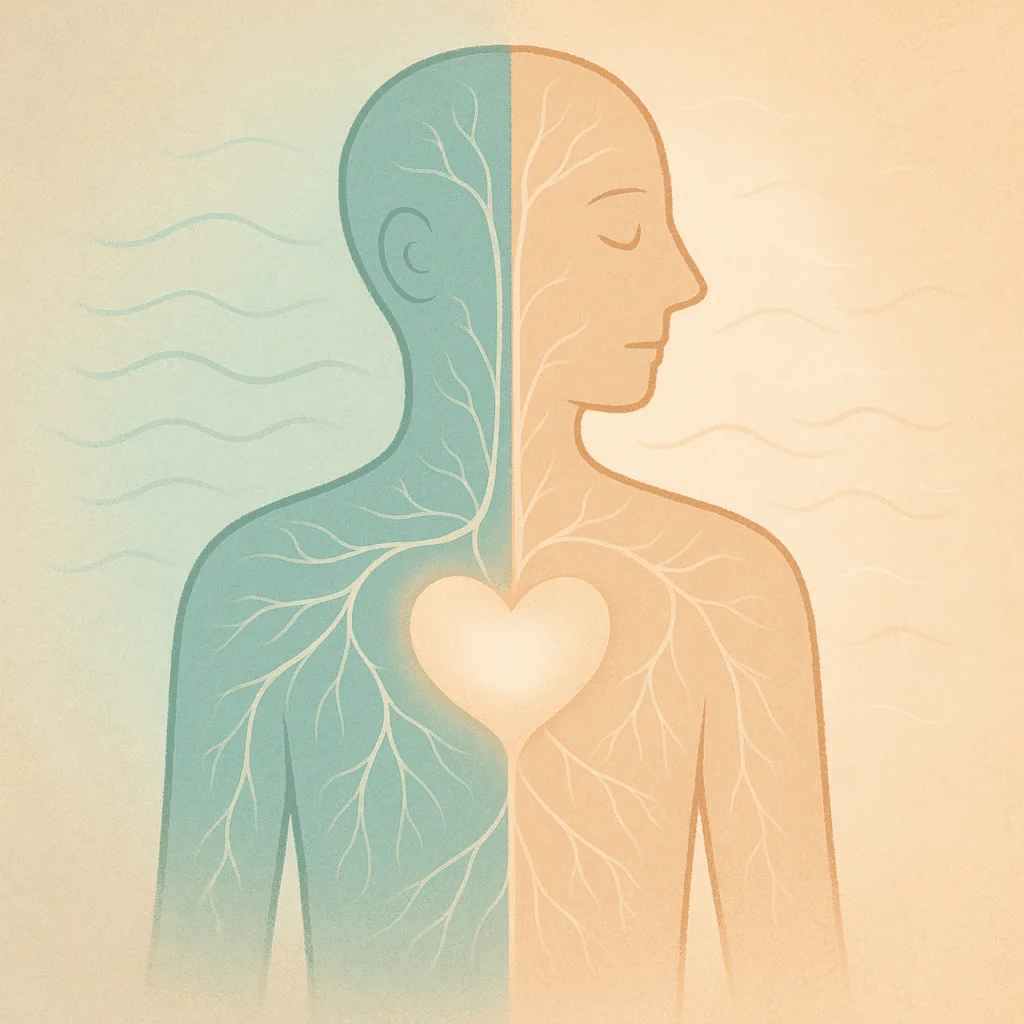
Yoga therapy regulates the autonomic nervous system, guiding the body from hyper-alertness to parasympathetic calm. It influences key neural pathways including:
Vagus nerve activation
Reduced limbic irritability
Balanced cortical excitability
Breath becomes the body’s remote control:
A slow exhale = Slower heart + Softer thoughts + Safer brain waves
Evidence shows up to 30–50% reduction in seizure frequency and significant anxiety relief when pranayama is integrated into care.
Calm enables clarity — and clarity enables confidence.
Where Fear Silences — Psychotherapeutic Support Gives Voice
Epilepsy is not only electrical — it is deeply emotional.
“I don’t want to burden anyone,”
says a mother who hides her symptoms.
Stigma, unpredictability, and judgment create isolation. Counselling restores voice and strength by helping individuals and families:
Understand triggers and early warning signs
Respond safely to seizures
Build coping strategies to reduce fear
Support caregiver mental health
Research highlights the transformative role of family-supported rehabilitation, improving self-belief and consistency.
Where support grows, fear loses power.
Where Life Feels Interrupted — Routine Becomes Recovery
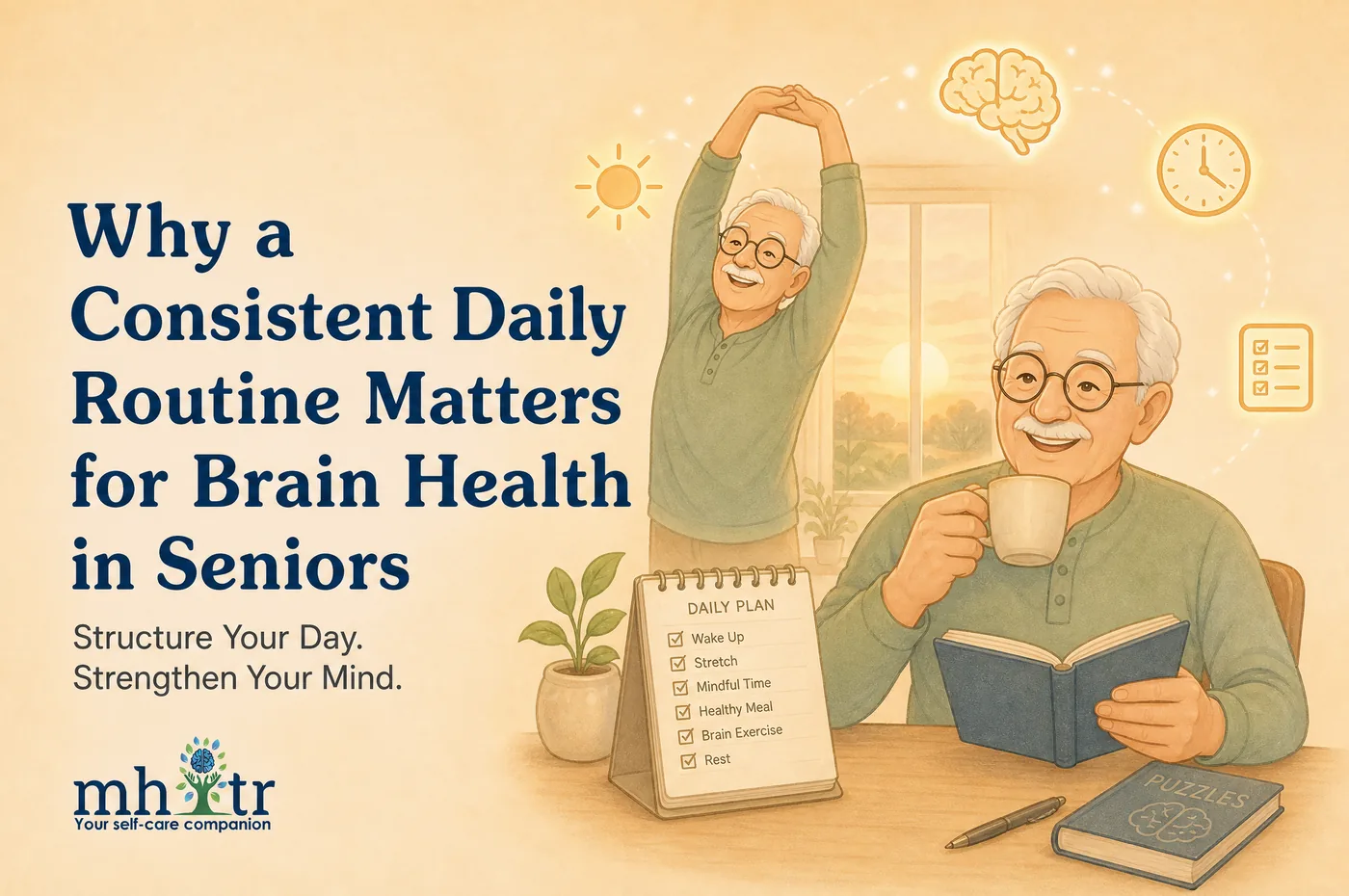
Daily structured routines — such as morning breathing, age-specific movement, and evening cognitive games — train the nervous system to stabilize and self-regulate.
These rituals:
✔ Build neuroplasticity
✔ Improve sleep cycles
✔ Reduce unpredictability
✔ Strengthen autonomy
When practiced together, families shift from silent anxiety to active healing.
Recovery becomes not about medical visits or waiting for seizures — but living freely on one’s own terms.
What Global Evidence Shows
Improvement Area | Baseline | Post-Intervention | Evidence Source |
|---|---|---|---|
Motor Coordination & Balance | 45 | 75 | Neurology & Rehabilitation Journal, 2021 |
Cognitive Performance | 50 | 80 | Journal of Clinical Neuropsychology, 2020 |
Anxiety & Stress Sensitivity | 70 | 25 | Journal of Psychosocial Neurology, 2022 |
Seizure Frequency (Relative Index) | 100 | 65 | Epilepsy & Behavior Research, 2019 |
When movement, cognition, breath, and emotional resilience improve together — people regain control, stability, and identity.
Seize Life Back — The MHITR® Way Forward
MHITR®’s integrated rehabilitation model supports:
Children building confidence at school
Adults striving for stable careers
Elders seeking dignity in movement
Caregivers searching for hope
Because epilepsy may remain a part of life —
but it should never define the quality of life.
Every person deserves to:
Move freely. Think clearly. Live joyfully. Seize Life Back.
And at MHITR®, we are ready to walk that path —
step by step, breath by breath, day by day.