
Igniting Minds in Coimbatore
Student counselling and life skills in Coimbatore
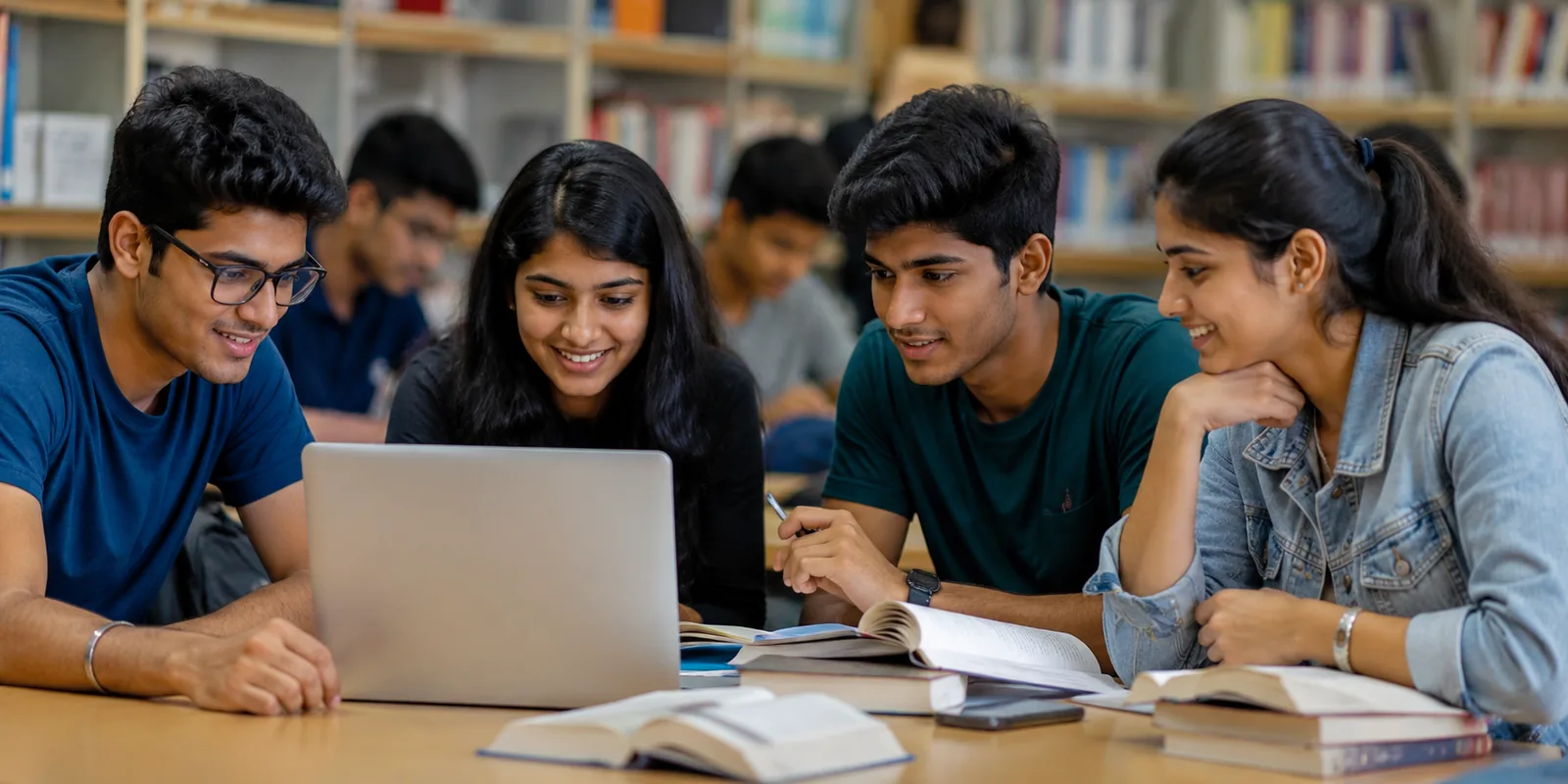
Igniting Minds works with students aged 12 to 24 in Coimbatore, including those who arrive from smaller towns for college and land in an unfamiliar campus culture.
What students here are carrying
Coimbatore is an engineering college belt, which means every year it takes in a large intake of eighteen-year-olds from smaller towns across Tamil Nadu and Kerala. They arrive having done well at school, into a campus where the teaching is in English at a pace that assumes fluency, and where a good number of their classmates went to schools that prepared them for exactly this.
The school-age population has the state board and CBSE pressures common across the region. The incoming college population has a different problem, and it shows up in the first two terms.
Sessions are delivered offline, on campus for schools and colleges that want it in the timetable.
Top of the class at home, lost in the first term
A student who was the best in their school arrives in Coimbatore and discovers that being the best there means something different here. The lectures move quickly, the discussion happens in English at a speed they can follow but not join, and the classmates who speak up seem to find it effortless.
What that does to confidence in the first term is severe and largely silent. The student stops asking questions, because asking would reveal how far behind they feel. They stop speaking in groups. Marks slip, and the explanation everyone reaches for is that they are not working hard enough, which is usually the opposite of the truth.
The sessions work on precisely this: speaking up when you are unsure, keeping a sense of your own ability while adjusting to a harder room, and treating the first year as a transition rather than a verdict.
Why schools and colleges in Coimbatore choose it
For the first-year adjustment
Structured work on confidence and speaking up, aimed at students who arrived strong and lost their footing in one term.
Sessions in English and Hindi
A large share of students here are managing an unfamiliar language of instruction. Sessions are delivered in English and Hindi.
For Coimbatore schools and colleges
NEP-aligned life-skills delivery offline, on campus, covering both school years and the college transition.
Exam stress as well
The practical work on sleep, focus and managing pressure through board and semester exams runs alongside.
How Igniting Minds runs
The program is built to sit alongside school rather than compete with it, so the format follows whatever the school or institution can actually sustain.
- Ages
- Students from 12 to 24
- Formats
- Offline only — on campus and in person
- Runs with
- Schools, colleges and coaching institutes
- Framework
- Aligned to NEP 2020 and WHO life-skills guidance
- Focus
- Life skills, emotional regulation and counselling support
- Led by
- Psychologists and trained facilitators
- Not included
- Individual clinical treatment, handled separately
What the sessions cover
Life Skills that Stick
Practical, age-appropriate skills rooted in WHO and NEP 2020 — socio-emotional learning, problem-solving, and holistic development for Indian schools.
Fun Experiential Learning
Interactive sessions blend experiential learning, cognitive-behavioural techniques, and gamified modules — mental health games and activities for students that engage teens where they are.
Support Beyond the Classroom
Parent updates and home practice tools so skills carry over into everyday life beyond the classroom.
Offline Formats Across India
Offline, on-campus delivery for schools, colleges, and coaching institutes — workshops, weekly modules, or intensives in English and Hindi.
What participants report
Impact & Reach
Empowering young minds with tools for emotional and mental wellness across India.
198,000+students reached
Improved Focus
Students experienced better concentration and fewer emotional outbursts.
85%of participants
Better Communication at Home
Parents reported healthier, more open conversations at home.
70%of participants
Reduced Screen Time
Students built healthier digital habits within the first month of engagement.
60%within 4 weeks
Participants join from RS Puram, Peelamedu, Saibaba Colony, Ganapathy, Singanallur and Race Course, and from parts of Coimbatore not on that list. Sessions run in English and Hindi.
Looking for one-to-one clinical support instead? Our psychotherapeutic services cover that.
In their own words
Partner with us
Tell us about your organization in Coimbatore and we will follow up with next steps for offline, on-campus delivery.
Igniting Minds in Coimbatore: common questions
Is Igniting Minds available in Coimbatore?
Yes. Sessions are delivered offline, on campus for schools and colleges in Coimbatore. Participants join from RS Puram, Peelamedu, Saibaba Colony, Ganapathy, Singanallur and Race Course.
My daughter came here for college and has lost all her confidence. Is this the right support?
It is a common reason students join in this city. The sessions work on speaking up, self-worth and adjusting to a faster room, in a peer group going through the same first year.
What languages are the sessions in?
Sessions are delivered in English and Hindi. Mention your preference when you enquire.
Can the program run if our college wants sessions for hostel students?
Yes. Sessions take place on your campus, and timing is adapted to your academic calendar, so they can be planned around the hours hostel residents are free. Use the Partner with us form to tell us how many students and which schedule suits your college.
What topics are covered in the sessions?
Emotional regulation and anger management, confidence-building, digital balance, communication and empathy, problem-solving, and decision-making—skills students can apply immediately in school, at home, and online.
How does the program align with NEP 2020?
Igniting Minds is designed around NEP 2020 and WHO life-skills priorities: socio-emotional learning, problem-solving, digital balance, and holistic student development — so schools and colleges can meet policy goals while supporting student wellbeing.
What is the cost and who funds it?
Pricing is structured to be affordable for private and government schools. NGO and CSR partnerships can fund implementation in government and underserved school settings — Contact us for a tailored quote.
More questions? See all Igniting Minds FAQs.
Start Igniting Minds in Coimbatore
Partner with us to bring Igniting Minds to your organization in Coimbatore.