
Igniting Minds in Mangalore
Student counselling and life skills in Mangalore
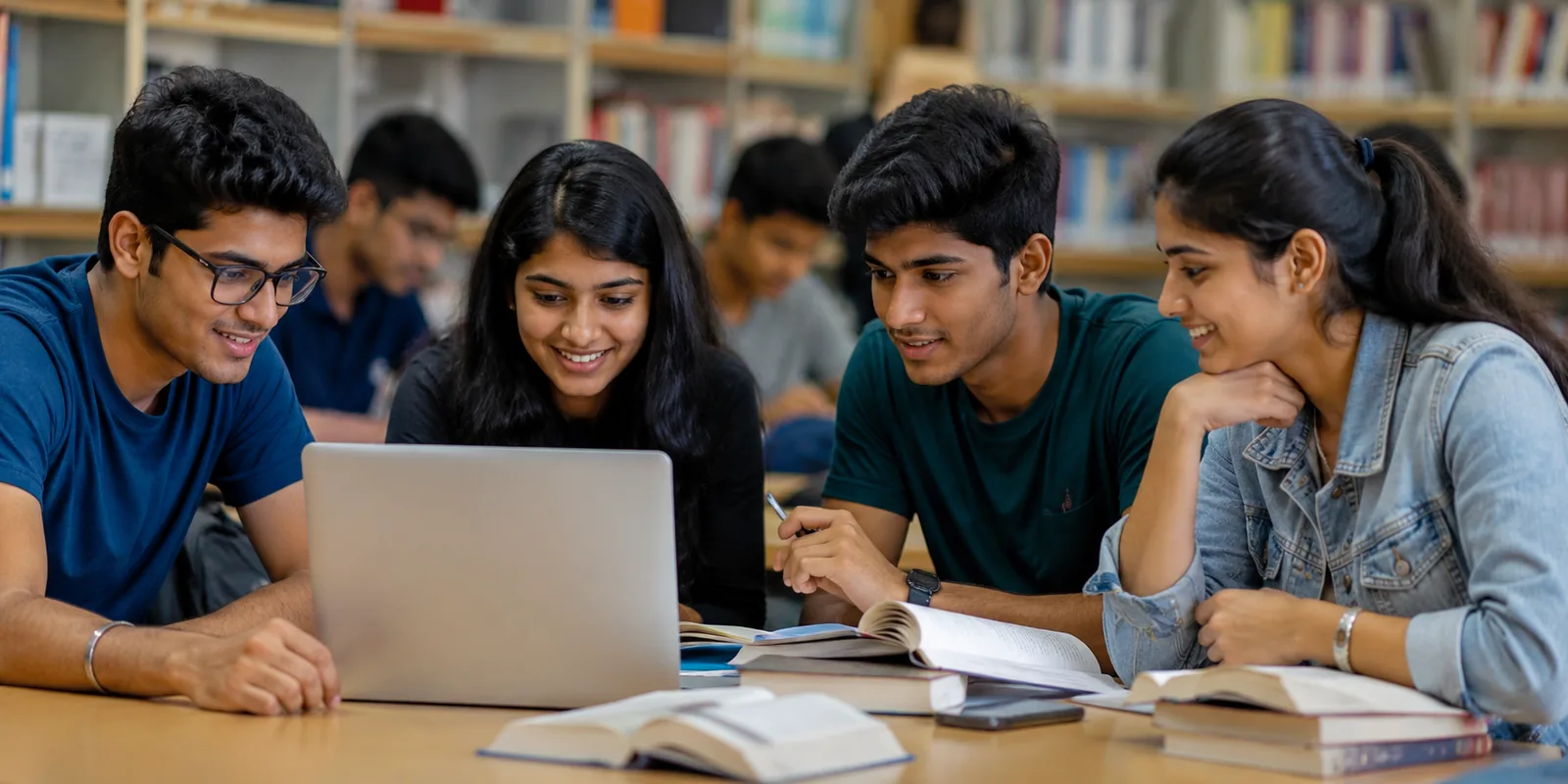
Igniting Minds works with students aged 12 to 24 in Mangalore, including boarders and the many whose parents work overseas.
What students here are carrying
Coastal Karnataka is a education hub for its whole region. Students come in from the surrounding districts for PU college and degree courses, a lot of them boarding, and the town they left is close enough to be homesick for and far enough not to visit on a whim.
It is also a region where having a parent working in the Gulf is entirely ordinary. A student may be living with grandparents, or an aunt, with a father reachable by video call at a fixed hour on Sundays.
Both situations put the ordinary, unplanned conversations a teenager needs slightly out of reach. Sessions are delivered offline, on campus at schools and PU colleges, including for boarders.
Raised by video call
A student whose father has worked abroad since they were four has a relationship conducted almost entirely in scheduled calls. Those calls are affectionate and they are also a performance, on both sides. The father wants to hear that everything is fine because he is far away and can do nothing. The student says everything is fine for the same reason.
Meanwhile the grandparents or the aunt looking after them are doing so with care and are usually two generations removed from what a fifteen-year-old is actually dealing with, particularly online.
So there is a specific gap: plenty of love, not much day-to-day conversation with anyone who can absorb a difficult thing. A weekly group with a facilitator is not a parent. It is a regular place where the answer does not have to be fine.
Why schools and colleges in Mangalore choose it
For students not living with parents
Built for boarders and for those raised by grandparents or relatives while a parent works overseas.
Sessions in English and Hindi
Facilitators lead in English and Hindi, so a student can raise something difficult in the language they are most open in.
Works for boarding students
Sessions are delivered offline, on campus at schools and PU colleges, so boarders join where they already study.
For Mangalore schools and PU colleges
An NEP-aligned life-skills curriculum delivered offline, on campus, for institutions with a large boarding intake.
How Igniting Minds runs
The program is built to sit alongside school rather than compete with it, so the format follows whatever the school or institution can actually sustain.
- Ages
- Students from 12 to 24
- Formats
- Offline only — on campus and in person
- Runs with
- Schools, colleges and coaching institutes
- Framework
- Aligned to NEP 2020 and WHO life-skills guidance
- Focus
- Life skills, emotional regulation and counselling support
- Led by
- Psychologists and trained facilitators
- Not included
- Individual clinical treatment, handled separately
What the sessions cover
Life Skills that Stick
Practical, age-appropriate skills rooted in WHO and NEP 2020 — socio-emotional learning, problem-solving, and holistic development for Indian schools.
Fun Experiential Learning
Interactive sessions blend experiential learning, cognitive-behavioural techniques, and gamified modules — mental health games and activities for students that engage teens where they are.
Support Beyond the Classroom
Parent updates and home practice tools so skills carry over into everyday life beyond the classroom.
Offline Formats Across India
Offline, on-campus delivery for schools, colleges, and coaching institutes — workshops, weekly modules, or intensives in English and Hindi.
What participants report
Impact & Reach
Empowering young minds with tools for emotional and mental wellness across India.
198,000+students reached
Improved Focus
Students experienced better concentration and fewer emotional outbursts.
85%of participants
Better Communication at Home
Parents reported healthier, more open conversations at home.
70%of participants
Reduced Screen Time
Students built healthier digital habits within the first month of engagement.
60%within 4 weeks
Participants join from Kadri, Bejai, Kankanady, Surathkal, Falnir and Urwa, and from parts of Mangalore not on that list. Sessions run in English and Hindi.
Looking for one-to-one clinical support instead? Our psychotherapeutic services cover that.
In their own words
Partner with us
Tell us about your organization in Mangalore and we will follow up with next steps for offline, on-campus delivery.
Igniting Minds in Mangalore: common questions
Is Igniting Minds available in Mangalore?
Yes. Sessions are delivered offline, on campus for schools and colleges in Mangalore. Participants join from Kadri, Bejai, Kankanady, Surathkal, Falnir and Urwa.
I work in the Gulf and my child lives with grandparents. Can I arrange this from abroad?
Yes. You can enrol on their behalf and choose a session time that fits their week here rather than yours. Sessions are delivered offline, on campus, so nothing depends on who is at home.
What languages are the sessions in?
Sessions are delivered in English and Hindi. Mention your preference when you enquire.
My son is boarding here and I am in another district. How would I know if it is helping?
Progress is reported to the school, through impact reports and feedback dashboards, rather than to individual parents, so his school is the place to ask. If you are worried about him now, write to us and we will tell you honestly whether individual clinical support would serve him better.
What topics are covered in the sessions?
Emotional regulation and anger management, confidence-building, digital balance, communication and empathy, problem-solving, and decision-making—skills students can apply immediately in school, at home, and online.
How does the program align with NEP 2020?
Igniting Minds is designed around NEP 2020 and WHO life-skills priorities: socio-emotional learning, problem-solving, digital balance, and holistic student development — so schools and colleges can meet policy goals while supporting student wellbeing.
What is the cost and who funds it?
Pricing is structured to be affordable for private and government schools. NGO and CSR partnerships can fund implementation in government and underserved school settings — Contact us for a tailored quote.
More questions? See all Igniting Minds FAQs.
Start Igniting Minds in Mangalore
Partner with us to bring Igniting Minds to your organization in Mangalore.