Watching someone you love struggle while they insist nothing is wrong is quite hard.
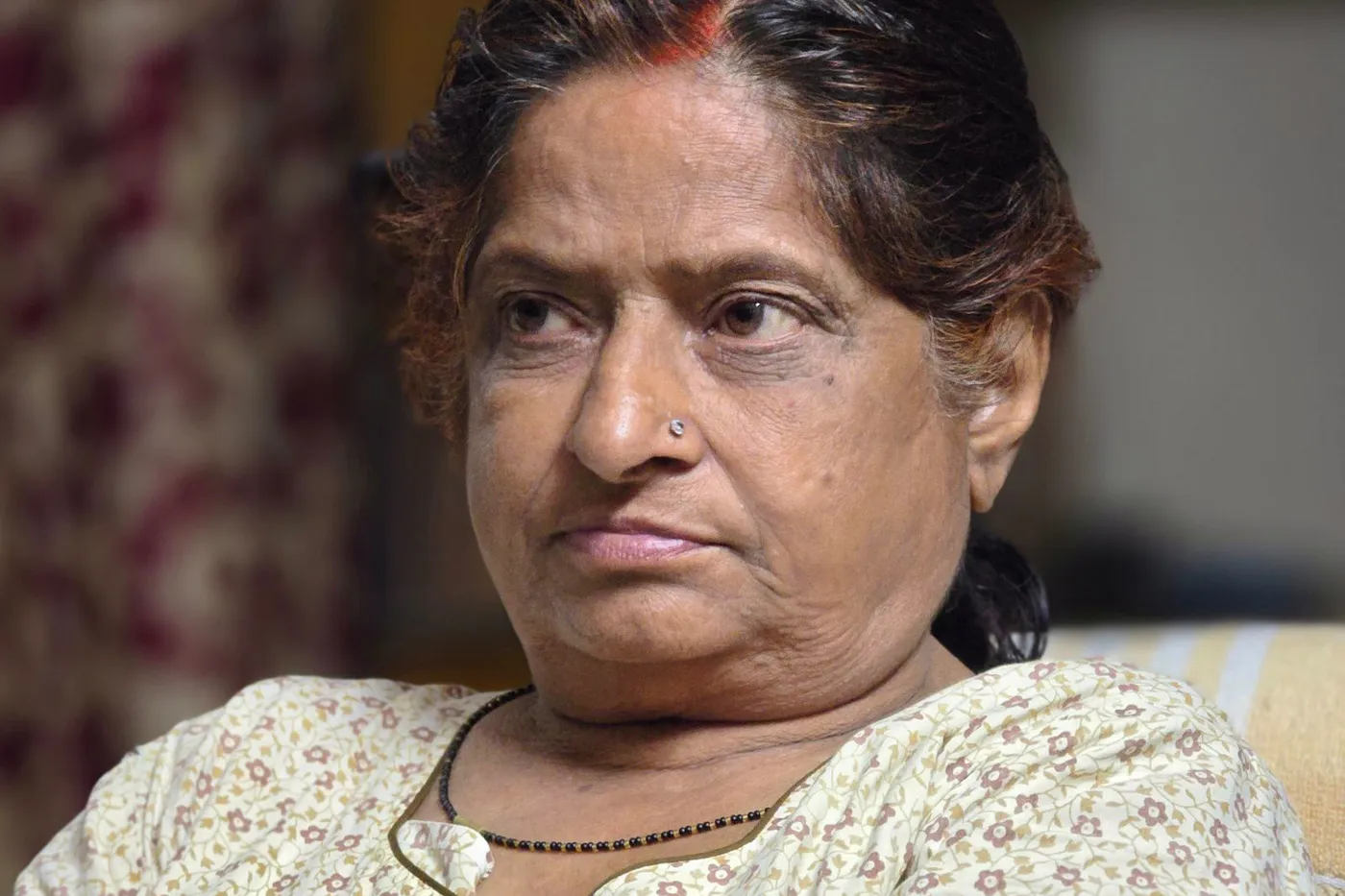
Your father has become more withdrawn. Your mother seems unusually anxious, irritable or uninterested in things she once enjoyed. Conversations that used to flow easily now feel strained. When you raise the subject of how they are feeling, the reply is often “I’m fine” or “There is nothing wrong with me.” Sometimes in a harsh tone.
You suggest speaking to a therapist and the answer comes quickly: “Why would I need one?”
For many adult children this becomes a cycle of concern, resistance and uncertainty. You want to help, yet you also know your parent has spent a lifetime making their own decisions. If you are still unsure what you are seeing, our guide to the signs of depression in elderly parents can help.
Helping an elderly parent consider therapy is rarely about finding the perfect argument. It is about understanding their concerns, respecting their independence, and making the idea of psychological support feel less like an admission of weakness.
The goal is not to win. It is to make the first real conversation possible.
Why Older Parents Sometimes Refuse Help
Before trying to persuade, it helps to understand the reluctance.
An older parent who resists is not necessarily being stubborn. Their hesitation may come from personal beliefs, cultural attitudes, past experiences or genuine practical worries.
A qualitative study of mental healthcare for older people in India identified limited awareness, social stigma, family attitudes and difficulty recognising psychological distress as a health issue among the main barriers.
Common reasons include:
Mental health stigma. In many Indian households, talking about depression, anxiety or emotional difficulty still feels uncomfortable. Some older adults associate therapy with severe psychiatric illness or believe that needing a psychologist means something is fundamentally wrong with them. Similarly, they fear losing independence in decision making if they are considered senile.
A different view of emotional well-being. Some parents see sadness, loneliness or worry as simply part of growing older. They may treat physical pain as something requiring a doctor while treating emotional distress as something to be endured privately.
Fear of being judged. They may worry about what a therapist will think, whether their personal history will stay private, or whether family members will be blamed.
Fear of medication or a psychiatric label. Many assume that seeing a mental health professional automatically means medication or a formal diagnosis. In reality, psychological therapy and psychiatric medication are different options, and not everyone who seeks therapy needs medication.
Practical barriers. Travel difficulties, cost, language preferences and unfamiliarity with online consultations can all discourage someone from taking the first step.
These are real obstacles. Understanding them is usually more useful than trying to argue them away.
A 2025 analysis of India’s National Mental Health Survey data estimated an 84% treatment gap among older adults identified as having a mental disorder, along with substantial delays before people first sought care. The problem is not only recognition. It is making care feel acceptable and accessible.
7 Practical Ways to Open the Conversation
1. Start with what you have noticed, not with a diagnosis
Telling a parent they are depressed or that they need therapy often makes them defensive. Focus on specific, observable changes instead.
“I’ve noticed you haven’t been going for your evening walks lately, and you seem a bit more worried than usual. Is everything alright?” Or: “You’ve always enjoyed meeting your friends, but lately you seem less interested. Has something been on your mind?” This keeps the discussion about their experience rather than an accusation.

2. Listen without immediately trying to fix everything
When a parent begins to open up, resist the urge to lecture or offer solutions straight away. They may talk about loneliness, health worries, money, family disagreements or a sense of losing independence. Sometimes they simply need to be heard.
Avoid dismissive responses such as “You’re worrying too much,” “You have everything you need,” or “Other people have bigger problems.” Even when well-intentioned, these comments can shut the conversation down.
Acknowledging what they say — “I can see why that would be difficult” — is often more useful than rushing to solutions. Active listening and open-ended questions help, as the CDC’s guidance on supportive conversations notes.
3. Separate therapy from the idea of “being weak”
For some older Indians the idea of consulting a therapist still carries stigma. It can help to explain that psychological support is not reserved for people with severe psychiatric conditions. Therapy can also help with grief, relationship strain, anxiety, depression, retirement adjustment and other ordinary but difficult experiences.
You might say: “Seeing a therapist doesn’t mean something is wrong with you. Sometimes talking to someone trained for this can help us work through things that are hard to manage alone.”
It is also useful to clarify the difference between a psychologist (who provides psychological assessment and therapy) and a psychiatrist (a medical doctor who can prescribe medication when appropriate). Neither needs to be presented as something frightening.
Stigma, ageism and limited awareness remain important reasons why mental health conditions in older adults are under-recognised and undertreated, according to the World Health Organization.
4. Frame emotional health as part of overall healthcare (which it is)
Some parents find it easier to accept the idea when it is linked to the care they already accept for blood pressure, diabetes or joint pain. A trusted family doctor can sometimes serve as a less intimidating first step, especially when mood, sleep or behaviour changes appear alongside physical symptoms or medication changes. Be transparent about the purpose of any appointment. Do not disguise a psychological consultation as something else.
5. Offer choices rather than ultimatums
An older adult may resist because they feel decisions are being made for them. Instead of “You’re going to therapy whether you like it or not,” try offering real options:
Online or in-person sessions
The language they prefer
Reviewing a therapist’s profile before deciding
Starting with a single assessment rather than committing to a course of therapy
Having a trusted family member present for an introductory discussion if they wish
Supporting their decision-making is more effective than replacing it.
6. Consider family therapy
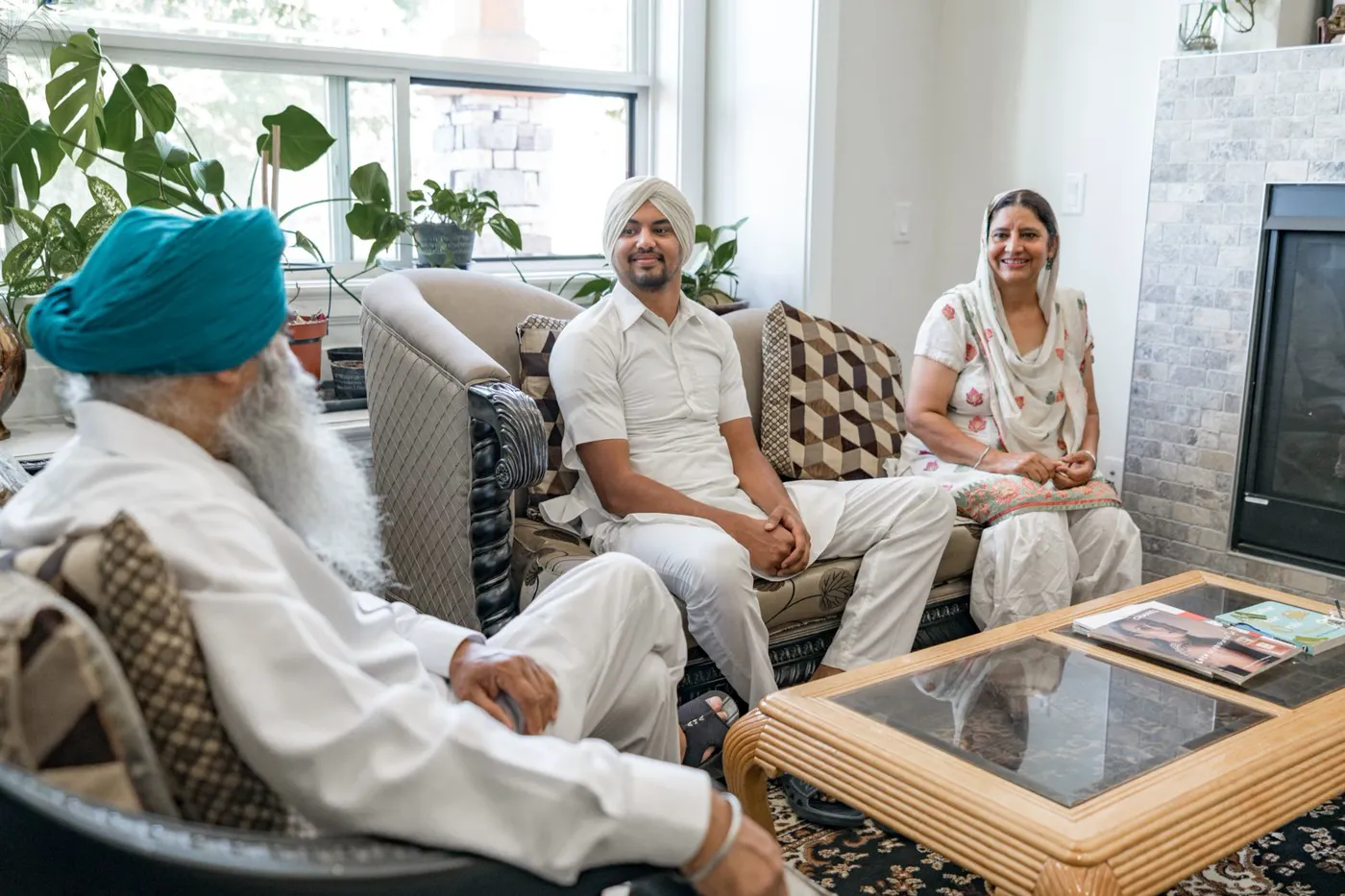
Sometimes the difficulty is not only the parent’s symptoms. Family communication patterns, unmet expectations and mutual frustration can all play a part. An older parent may feel neglected; adult children may feel their efforts are constantly rejected. Neither side fully understands the other.
Family therapy gives relatives a structured space to talk with a trained professional. It can improve communication, clarify emotional needs, reduce blame, and help families develop more realistic ways of supporting one another. This is often useful in Indian families where decisions about ageing parents involve several generations.
For adult children living abroad, online family sessions allow the parent to join from home while others participate remotely, provided everyone consents and the arrangements suit the therapist.
Family therapy should never become a way of surrounding a reluctant parent until they agree. Every participant needs to understand the purpose and have a genuine choice about taking part.
7. Be patient and keep the door open
One conversation rarely changes everything. Your parent may refuse, become uncomfortable, or ask for time. That does not mean they will never consider support.
Continue ordinary, caring contact. Avoid making every interaction about their mental health. You can return to the subject later if the concerns remain.
Patience has limits. If your parent expresses suicidal thoughts, poses an immediate risk to themselves or others, or shows a sudden and severe change in mental state, seek urgent professional help. In India, Tele-MANAS offers free 24-hour support on 14416.
What If They Still Refuse?
If repeated conversations do not lead to agreement, a few alternatives remain:
Begin with a trusted general physician who can assess physical factors and gently discuss whether psychological evaluation would be useful.
Encourage meaningful social activity, hobbies and gentle movement when loneliness or loss of routine is part of the picture.
Seek guidance yourself from a qualified professional about how to communicate with a reluctant parent and manage family stress. Advice given to the family does not replace a direct assessment of the parent.
Respect their autonomy. An adult who has the capacity to make their own decisions should not be coerced into therapy. The Indian Telepsychiatry Operational Guidelines emphasise patient consent and the importance of considering whether an adult feels comfortable discussing personal matters in front of family members.
Respecting a refusal does not mean withdrawing care. It means continuing to offer support while recognising their right to decide.
Could a Wellness Programme Be an Easier First Step?
For some older adults the resistance is less to feeling better and more to the idea of “therapy.” Clinical language, uncertainty about what happens in sessions, or simply not feeling ready can all create barriers.
In those cases, a structured wellness programme can sometimes feel more approachable, especially when the main issues are reduced activity, social withdrawal or loss of routine.
MHITR®’s Vayofit Online Program is designed for adults aged 55 and above. It combines physiotherapy-led movement, cognitive activities, yoga and breathing practices, and group interaction in live 90-minute online sessions conducted in English and Hindi. Activities can be adapted for different levels of mobility and cognitive ability.
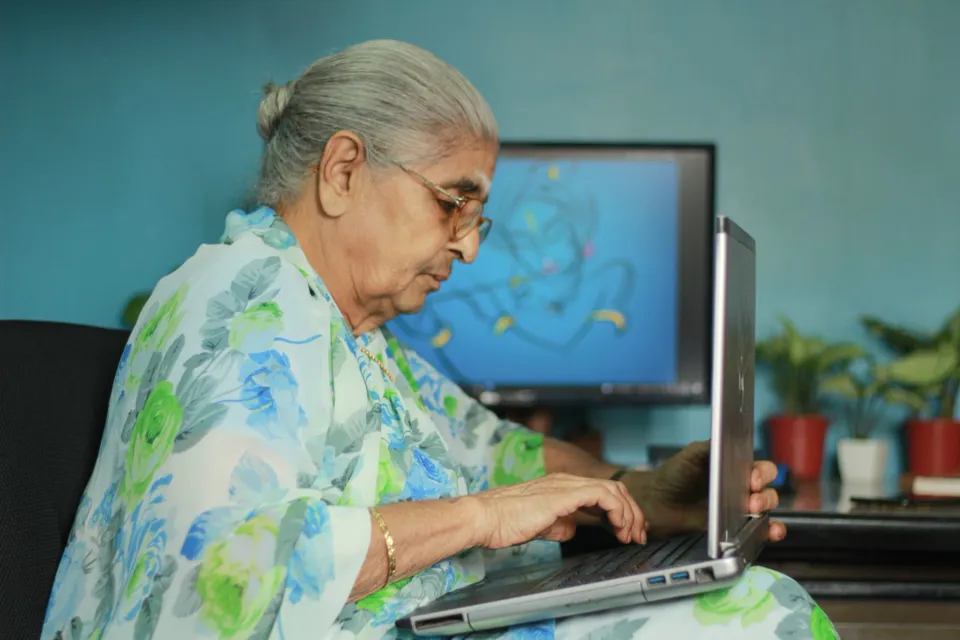
For someone who has become isolated or lost a regular rhythm, joining a structured group can be a less threatening way to reconnect. Vayofit is a wellness programme, not a treatment for clinical depression or anxiety. If a parent is experiencing persistent low mood, severe anxiety or other clear mental health difficulties, professional assessment and therapy should not be delayed in favour of a general wellness option.
How MHITR® Can Support Families
At MHITR®, Psychotherapeutic Services begin with a clinical assessment. This is followed by personalised matching and individual, couples or family therapy, including CBT and other evidence-based approaches. Sessions are available online and in hybrid formats, which can make participation easier for families spread across different cities or countries. If cost is a concern, see our guide to what CBT costs in India.
The aim is not to make a parent feel they are being sent for treatment because the family has decided something is wrong. It is to create space for everyone involved to understand the situation better and explore appropriate support.
You do not have to wait until a family situation reaches breaking point before seeking guidance.
Sometimes the First Step Is Simply Listening
There is a quiet reversal that happens as parents grow older. The people who once encouraged us to talk, reassured us when we were frightened, and helped us make hard decisions may become reluctant to accept the same support themselves.
It can be frustrating and worrying, especially when we notice changes that they do not acknowledge. Our parents deserve the same patience they once gave us.
We do not have to agree with every decision they make, nor pretend everything is fine when it is not. What we can do is listen without judgement, recognise when professional help may be useful, and make that help as easy as possible to reach.
Sometimes helping a parent consider therapy does not begin with convincing them they need it. It begins with reminding them they do not have to work everything out alone.
Explore MHITR®’s Psychotherapeutic Services or learn more about Vayofit as a possible first step toward structured engagement.
Frequently asked questions
Why do elderly parents refuse to see a therapist?
Common reasons include mental health stigma, seeing sadness or worry as a normal part of ageing, fear of being judged, fear of medication or a psychiatric label, and practical barriers such as travel, cost, language and unfamiliarity with online consultations.
How do I start a conversation about therapy with my elderly parent?
Begin with specific changes you have noticed, such as skipped evening walks or less interest in friends, rather than telling them they are depressed. Then listen without rushing to fix things or dismissing their worries.
What is the difference between a psychologist and a psychiatrist?
A psychologist provides psychological assessment and therapy. A psychiatrist is a medical doctor who can prescribe medication when appropriate. Seeing a therapist does not automatically mean medication or a formal diagnosis.
What should I do if my elderly parent still refuses therapy?
You can start with a trusted general physician, encourage social activity and gentle movement, and seek guidance yourself on how to communicate with them. An adult who has the capacity to decide should not be coerced, but you can keep offering support.
When should I seek urgent help for an elderly parent?
Seek urgent professional help if your parent expresses suicidal thoughts, poses an immediate risk to themselves or others, or shows a sudden and severe change in mental state. In India, Tele-MANAS offers free 24-hour support on 14416.