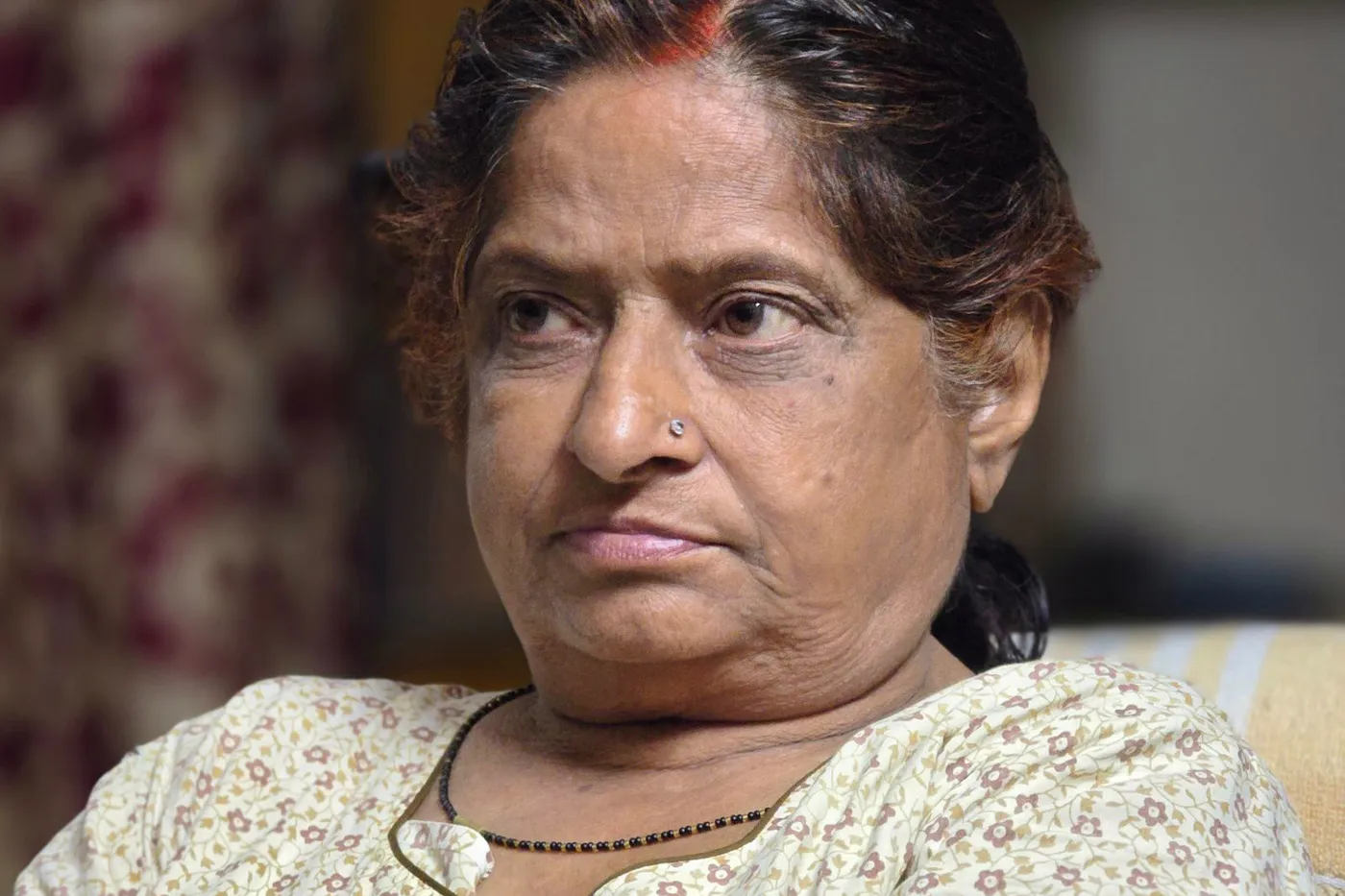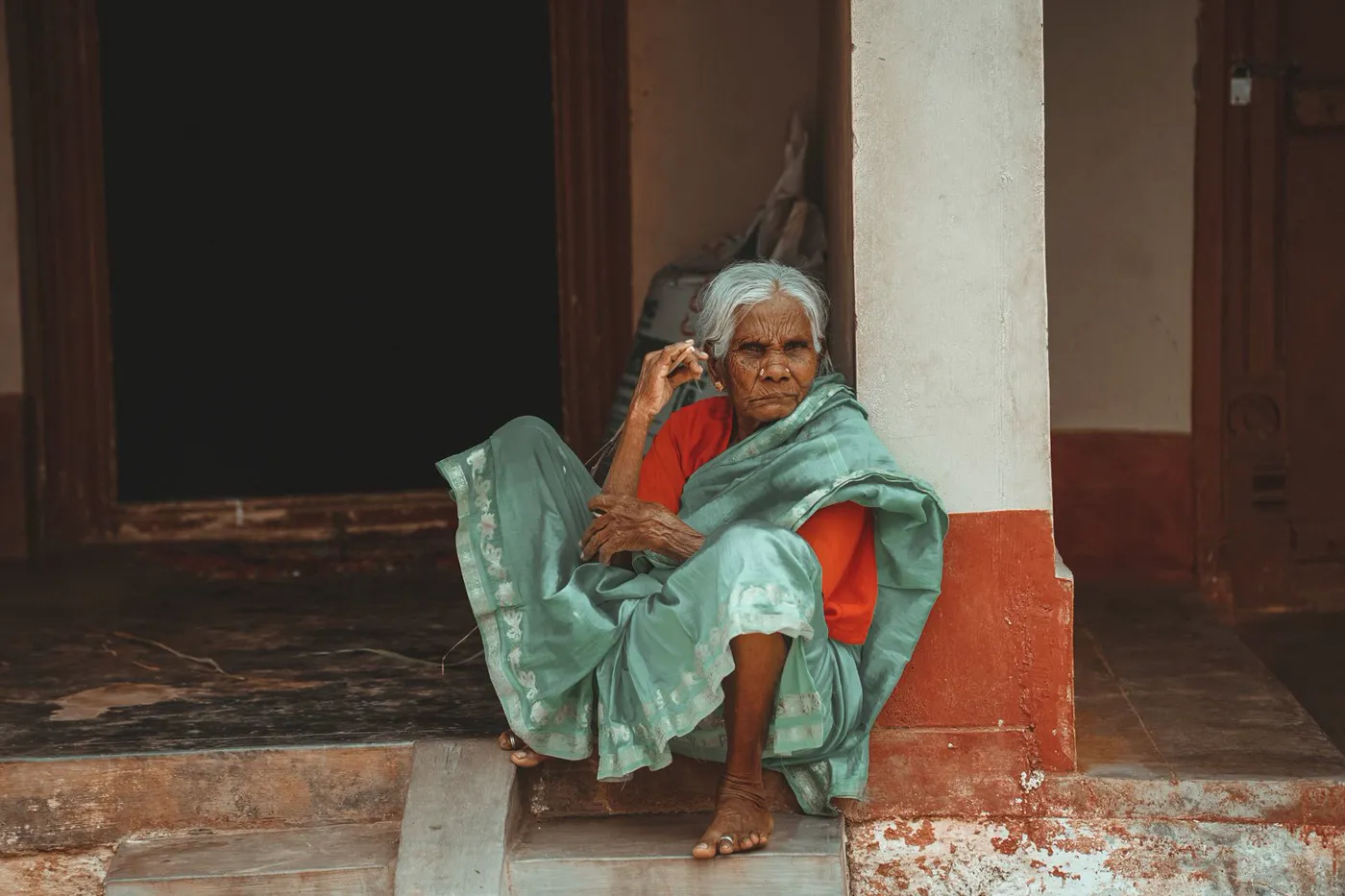
Sometimes the changes happen so gradually that no one notices when they start.
A father who once walked every morning finds reasons to stay indoors. A mother who regularly called her friends becomes quieter. Family gatherings that used to bring conversation now meet with indifference. When asked if everything is alright, the reply is usually the same: “I’m fine. It’s just old age.” But what if it isn’t?
One of the difficulties in recognising depression in older adults is that its signs can look like ordinary ageing. Tiredness gets blamed on reduced stamina, withdrawal on retirement, irritability on temperament. Yet signs of depression in elderly parents are often subtle, and overlooking them can delay the help they need.
Depression is not an inevitable part of growing older. It is a treatable condition that deserves the same attention as any other health concern.
How Common Is Depression Among Older Adults in India?
Depression in later life is more common than many families realise, and it frequently goes unrecognised.
An analysis of the first wave of India’s Longitudinal Ageing Study in India (LASI), published in The Lancet Psychiatry in 2022, estimated the prevalence of depression among adults aged 60 and above at around 7–8%. The study also showed that far fewer people reported having received a diagnosis than the number who met symptom criteria. This gap points to under-recognition: many older adults and their families do not identify the symptoms as a mental health condition that can be treated.
The World Health Organization notes that loneliness, social isolation, bereavement, reduced financial security and loss of purpose after retirement can all affect mental health in later life. In India, where family relationships often form the core of daily life, children moving away, the death of a spouse or a shrinking social circle can be especially significant. At the same time, depression does not always need an obvious trigger. It can develop even when a parent has a comfortable home and a caring family.
8 Signs of Depression in Elderly Parents
Depression does not always appear as obvious sadness. Older adults may show emotional, behavioural, physical or cognitive changes that are easy to miss.
1. Withdrawal from family and social activities
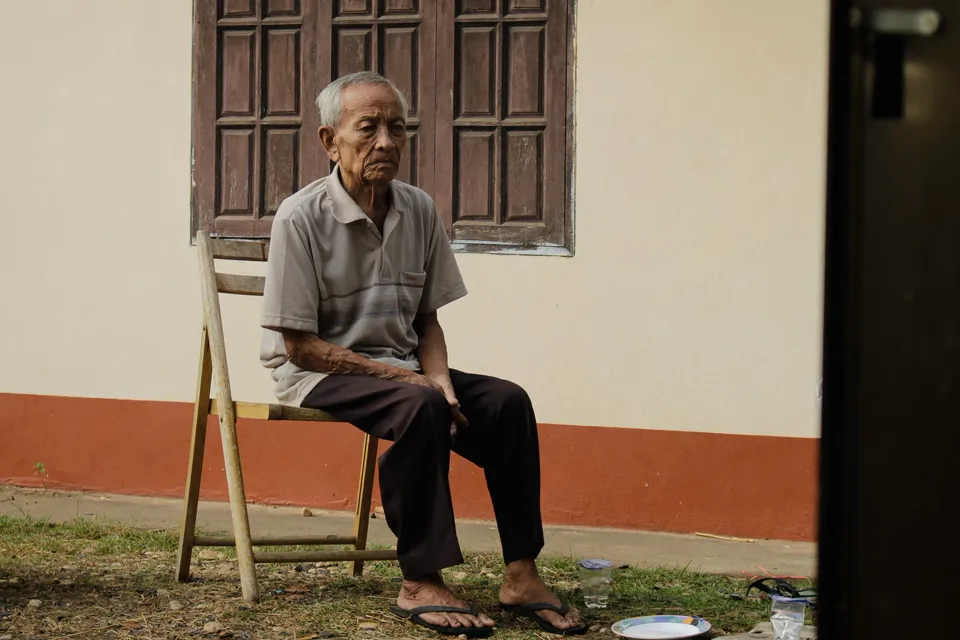
A parent who once enjoyed evening conversations, visiting relatives or attending community and religious events may gradually lose interest. They decline invitations, spend longer periods alone or stop calling friends. Reduced mobility can play a role, but persistent withdrawal is also a recognised feature of depression and a risk factor for poorer mental health. Our guide to loneliness in seniors covers practical ways to help a parent stay connected.
2. Persistent irritability or changes in temperament
Not everyone with depression looks sad. Some become unusually irritable, impatient or critical. A parent who was once patient with grandchildren may react sharply to small things. Families sometimes put this down to stubbornness or “old age,” yet irritability and emotional distance can form part of late-life depression, as the Indian Psychiatric Society’s clinical practice guidelines describe. The key is whether it is a clear and lasting change from the person’s usual self.
3. Loss of interest in activities they once enjoyed
A lasting loss of pleasure in previously enjoyable activities (anhedonia) is one of the central features of depression. Gardening, cooking, reading, music, festivals or watching cricket with friends may no longer hold appeal. The person may still take part when prompted but appear disengaged. This is not simply “slowing down with age.”
4. Changes in sleep and appetite
Sleep becomes more fragile with age, but marked or persistent changes deserve attention: difficulty falling asleep, frequent waking, early-morning waking, sleeping much more than usual, or clear changes in appetite and weight. These can have many causes, including physical illness and medication, but they are also recognised symptoms of depression, according to the WHO and MedlinePlus.
5. Persistent fatigue and unexplained physical complaints
Some older adults express distress mainly through the body. They report headaches, body aches, digestive discomfort or constant exhaustion and may visit doctors repeatedly even when tests are inconclusive. Physical symptoms should never be dismissed as “just psychological.” At the same time, the Indian Psychiatric Society guidelines note that unexplained physical complaints can be a presentation of depression in older adults. A proper medical check is always the first step.
6. Difficulty concentrating or remembering
Depression can affect attention, concentration and memory, sometimes resembling early dementia. The person may struggle to follow conversations, remember recent events or make everyday decisions. These cognitive difficulties need careful assessment; they should never be labelled as either depression or dementia without professional evaluation. Memory problems can also have other treatable causes.
7. Feelings of hopelessness, guilt or being a burden
Comments such as “There’s nothing left for me,” “I’m only creating problems,” or “Everyone would be better off without me” may sound dramatic but should be taken seriously. Persistent worthlessness or hopelessness is a core symptom of depression. Any talk of wanting to die or harm oneself requires immediate attention.
8. Reduced motivation and difficulty with daily responsibilities
A parent may stop maintaining personal hygiene, neglect household tasks, miss appointments or lose interest in managing money. Physical limitations can explain some of this, but a clear drop from the person’s previous level of functioning may point to an underlying psychological difficulty.
Normal Ageing or Depression?
Not every change signals depression. Ageing brings shifts in energy, sleep and social life. Grief after the loss of a spouse or close friend is a normal human response. The table below offers a rough guide, not a diagnostic tool:
More consistent with normal ageing or temporary adjustment | More suggestive of possible depression |
|---|---|
Occasional sadness after difficult events | Persistent low mood, emptiness or irritability |
Still finding pleasure in activities despite physical limits | Lasting loss of interest or pleasure |
Occasional forgetfulness | Ongoing difficulty concentrating or deciding |
Adjusting routines to changing abilities | Withdrawal and reduced motivation across daily life |
Temporary sleep disturbance | Persistent sleep or appetite changes with other symptoms |
Grief that gradually softens | Ongoing hopelessness or feeling like a burden |
According to the WHO, a depressive episode usually involves symptoms most of the day, nearly every day, for at least two weeks. Families should not wait if symptoms are severe, rapidly worsening, or accompanied by thoughts of suicide.
Depression or Dementia?
Depression can cause concentration and memory problems that look like dementia. Dementia involves a progressive decline in cognitive abilities that interferes with everyday tasks. The two conditions can also occur together. Families cannot reliably tell them apart on their own. Any noticeable memory difficulty, confusion or change in daily functioning needs professional assessment. Sudden confusion requires urgent medical attention because delirium and other acute conditions must be ruled out. Our guide to old age depression or dementia explains the differences in more detail.
What Should You Do If You Are Concerned?
Start the conversation gently and specifically. Instead of “You seem depressed,” try: “I’ve noticed you haven’t been going for your walks lately. Is something on your mind?”
Listen without rushing to fix or dismiss. Statements such as “You have everything you need” or “You should be grateful” can shut the conversation down.

Encourage a proper assessment. A qualified professional will look at psychological symptoms, physical health, medications and other contributing factors. Screening tools such as the Geriatric Depression Scale can be useful, but they do not replace a clinical interview. If your parent is reluctant, these tips on how to convince an elderly parent to see a therapist may help.
Help the person stay connected through regular conversations, family contact, familiar hobbies and gentle activity suited to their abilities. The aim is meaningful participation, not constant occupation.
When Immediate Help Is Needed
If your parent talks about suicide, expresses a wish to die, or indicates they may harm themselves, take it seriously. Stay with them if there is immediate risk and seek urgent help. In India call 112 or go to the nearest hospital emergency department. The government’s Tele-MANAS service also provides free 24-hour mental health support on 14416.
How Professional Support Can Help
Depression is treatable. The right approach depends on the individual’s symptoms, medical history and preferences, and may involve psychological therapy, medication, or both. Existing physical conditions and current medications need careful consideration, as both the Indian Psychiatric Society guidelines and MedlinePlus note.
At MHITR®, Psychotherapeutic Services begin with a clinical assessment. Qualified professionals then offer individual and family therapy, including CBT and other evidence-based approaches, delivered online or in hybrid formats. Family sessions can help relatives understand what their parent is experiencing and learn practical ways to support them.
Everyday Engagement Matters Too
Professional care is central, but daily routine, movement and social contact also support well-being. MHITR®’s Vayofit Online Program, designed for adults 55 and above, combines physiotherapy-led movement, cognitive activities, yoga, mindfulness and group interaction. For older adults who have become less active or socially connected, these structured sessions can offer regular engagement.
Vayofit is a wellness programme. It is not a treatment for clinical depression and should never replace professional assessment or therapy.
Ageing Does Not Have to Mean Accepting Unhappiness
Our parents once guided us. As they grow older, their emotional needs deserve the same careful attention. A quieter parent, a father who has stopped his hobbies, or a mother who no longer looks forward to family time may be dealing with more than the ordinary changes of age.
We do not need to diagnose them ourselves. We do need to notice, listen without judgement, and recognise when professional help is required.
At MHITR® we believe healthy ageing includes emotional well-being as much as physical health. Sometimes the most useful question is not whether our parents are keeping busy or taking their tablets. It is whether they are genuinely feeling alright.
Explore MHITR®’s Psychotherapeutic Services or learn how Vayofit can support everyday activity and connection.
Frequently asked questions
What are the signs of depression in elderly parents?
Common signs include withdrawal from family and social activities, irritability, loss of interest in activities they once enjoyed, changes in sleep and appetite, fatigue or unexplained physical complaints, difficulty concentrating, feelings of hopelessness or being a burden, and reduced motivation for daily responsibilities.
Is depression a normal part of ageing?
No. Depression is not an inevitable part of growing older. It is a treatable condition that deserves the same attention as any other health concern.
How long should symptoms last before seeking help?
According to the WHO, a depressive episode usually involves symptoms most of the day, nearly every day, for at least two weeks. Families should not wait if symptoms are severe, rapidly worsening or accompanied by thoughts of suicide.
Can depression in older adults look like dementia?
Yes. Depression can cause concentration and memory problems that look like dementia, and the two conditions can occur together. Families cannot reliably tell them apart on their own, so any noticeable memory difficulty or confusion needs professional assessment.
What should I do if my parent talks about suicide?
Take it seriously, stay with them if there is immediate risk and seek urgent help. In India call 112 or go to the nearest hospital emergency department; the government’s Tele-MANAS service also offers free 24-hour support on 14416.