
An older parent has stopped meeting friends, lost interest in favourite activities and begun forgetting things. They seem less attentive during conversations and sometimes struggle to make decisions. One family member thinks it is depression. Another worries about dementia. Someone else says these changes are simply part of getting older.
The difficulty is that depression and dementia can share several symptoms: problems with memory, concentration, motivation and everyday functioning. They can also occur together. Mistaking one for the other may delay the support a person needs.
Understanding the differences is useful, but recognising symptoms is not the same as making a diagnosis. A proper assessment is important whenever an older adult develops persistent changes in mood, memory or behaviour, as both the National Institute on Aging and NICE dementia guidance emphasise.
What Is the Difference Between Depression and Dementia?
Depression primarily affects mood and can affect thinking, while dementia involves a decline in cognitive abilities that interferes with independent functioning. This is not a perfect dividing line. Depression can cause significant cognitive difficulties, and people living with dementia can also develop depression.
Depression is a mental health condition that affects mood, interest, energy, thinking and behaviour. It is more than occasional sadness. An older adult with depression may experience persistent low mood, emotional numbness, loss of enjoyment, fatigue, sleep disturbances, appetite changes and difficulty concentrating. Some people mainly report physical complaints or a general sense of being unwell rather than saying they feel sad.
Dementia is an umbrella term for symptoms caused by diseases or conditions that damage the brain and interfere with cognitive abilities. These may include memory, language, reasoning, judgement, orientation and the ability to manage everyday activities. Alzheimer’s disease is one cause of dementia, but it is not the only one. Dementia is generally associated with a decline from a person’s previous level of cognitive functioning, as described in NICE guidance and the Alzheimer’s Association’s 2025 clinical practice guideline.
Old Age Depression Symptoms Families Should Recognise
Depression in older adults does not always look the way families expect. Some people do not openly express sadness. Instead, they may become withdrawn, irritable, unusually quiet or less interested in activities they previously enjoyed. Others may complain of persistent aches, poor sleep, tiredness or digestive problems, according to the National Institute on Aging.
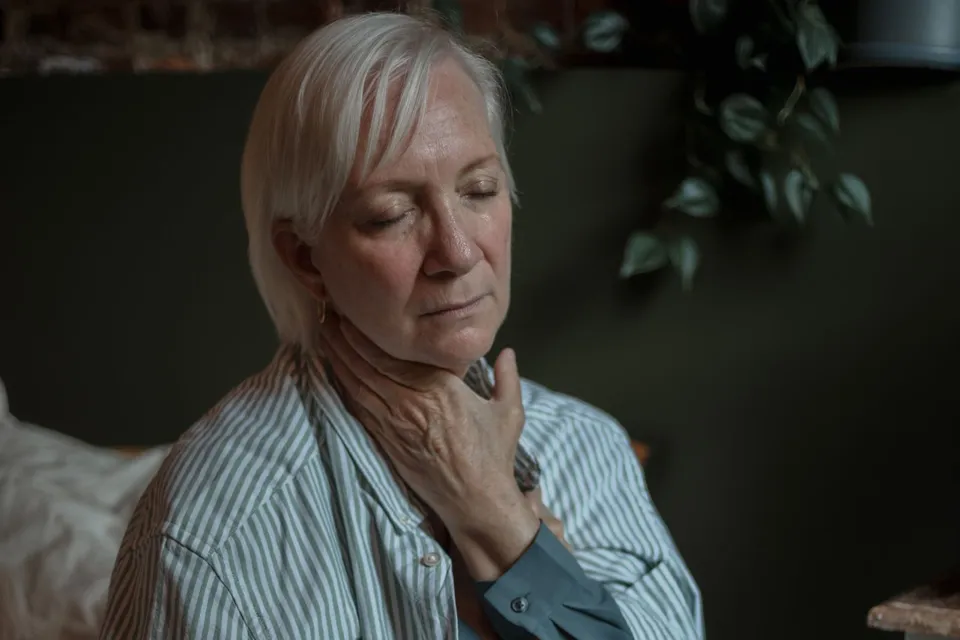
Common symptoms, as listed by the National Institute on Aging and the National Institute of Mental Health, include:
- Persistent sadness, emptiness or hopelessness
- Loss of interest in hobbies, social activities and relationships
- Reduced energy, fatigue or moving and speaking more slowly
- Difficulty concentrating, remembering information or making decisions
- Sleeping too little, waking early or sleeping excessively
- Changes in appetite or unintended weight changes
- Feelings of guilt, worthlessness or helplessness
- Withdrawal from family, friends and usual responsibilities
- Recurrent thoughts about death or suicide
These symptoms do not all have to occur together. Their duration, severity and effect on everyday life matter. Persistent symptoms lasting at least two weeks deserve professional attention. They should not be dismissed as an inevitable part of ageing.
Old Age Depression and Loneliness
Retirement, bereavement, reduced mobility, chronic illness and changes in family circumstances can shrink an older adult’s social world. Someone who once had a busy working routine may suddenly have fewer daily interactions, as many families notice in the first years after retirement. Another person may be living alone after losing a spouse or may find it increasingly difficult to leave home.
Loneliness and social isolation are not the same. Social isolation means having limited social contact. Loneliness is the distressing feeling that one’s relationships are insufficient. They can occur separately or together, and the World Health Organization treats both as concerns for older people. Both deserve attention, particularly when accompanied by withdrawal, loss of interest or changes in mood. Our guide to loneliness in seniors has practical ways to stay connected.
Loneliness does not automatically mean someone has depression. Preferring time alone is not a disorder. The concern arises when a noticeable and persistent change in mood, interest or functioning develops. A compassionate conversation and appropriate assessment are better than assumptions.
Signs of Dementia in Older Adults
Dementia can begin gradually. Families may first notice small changes that are easy to attribute to stress, tiredness or normal ageing. Over time the difficulties may become more frequent and start interfering with familiar activities.
Possible signs include:
- Repeatedly asking the same questions or forgetting recent conversations
- Getting lost in familiar surroundings
- Difficulty following instructions or completing familiar tasks
- Struggling to find words or follow a conversation
- Misplacing objects and being unable to retrace steps
- Poor judgement or difficulty managing money and medication
- Changes in personality, behaviour or social awareness
- Increasing difficulty managing everyday activities independently
The pattern matters. Occasionally forgetting where glasses were placed is common. A persistent decline from previous abilities, especially when it affects cooking, managing finances, travelling familiar routes or taking medication correctly, is more concerning. Our guide to normal ageing or early dementia explains this difference in more detail.
Depression vs Dementia: What Differences Might Families Notice?
Some patterns can offer clues, although none can reliably distinguish the two conditions without a professional assessment.
What families notice | Depression | Dementia |
|---|---|---|
Onset | May develop over weeks or months, sometimes after a difficult life event | Often develops gradually |
Memory complaints | The person may frequently complain about poor memory or concentration | The person may not fully recognise the extent of their difficulties |
Mood | Persistent sadness, emptiness, irritability or loss of interest is often prominent | Mood changes can occur, but progressive cognitive difficulties are central |
Thinking and concentration | May fluctuate with mood, energy and sleep | Difficulties tend to persist and gradually affect more abilities |
Daily activities | Withdrawal may be driven by low motivation or energy | The person may struggle to remember or carry out the steps of familiar tasks |
Response to treatment | Cognitive difficulties related to depression may improve when depression is treated | Treating associated depression may lift mood but does not reverse the underlying dementia |
These are general tendencies, not diagnostic rules. Depression can develop alongside dementia, and early dementia can include depression, anxiety or irritability. Another medical condition may also be contributing.
What Is Dementia vs Pseudodementia?
“Pseudodementia” is a term historically used for cognitive difficulties caused by psychiatric conditions, particularly depression, that resemble dementia. A person may struggle to concentrate, recall information or complete tasks even though the underlying problem is not a neurodegenerative disease.
The term can be misleading. These difficulties are real, not imaginary. More importantly, depression-related cognitive impairment does not automatically rule out dementia. The two can coexist, and depressive symptoms can sometimes appear before other cognitive changes become obvious, as the Alzheimer’s Association guideline notes.
Clinicians now prefer a careful assessment of mood, cognitive abilities, medical history and everyday functioning rather than relying on the label.
Can an Older Adult Have Both?
Yes. Depression and dementia are not mutually exclusive.
An older adult living with dementia may become depressed after noticing changes in memory, independence or the ability to do things they once enjoyed. Depression may also form part of the wider picture of certain brain diseases. Conversely, a person with depression may experience cognitive difficulties that need investigation rather than automatic attribution to mood.
This overlap is one reason families should avoid diagnosing on the basis of a single symptom. If an older adult becomes withdrawn and forgetful, both mood and cognition need attention.
How Are Depression and Dementia Assessed?
There is no single home test that can reliably distinguish the two. A healthcare professional needs to understand what has changed, when it began, how it has progressed and how it affects everyday life.
An assessment usually involves:
- A detailed history from the person and, with consent, from someone who knows them well.
- Assessment of mood and mental health, sometimes using screening tools such as the Geriatric Depression Scale.
- Cognitive testing of memory, attention, language and other abilities.
- Physical examination and investigations to look for treatable contributors such as thyroid problems, vitamin deficiencies, medication effects or sensory impairment (NICE; National Institute on Aging).
- Follow-up over time when the picture is not immediately clear.
The key is that assessment considers the whole person, not just a memory score or a mood questionnaire.
When and How Families Can Help
Arrange a medical assessment if an older adult develops persistent changes in mood, memory, behaviour or the ability to manage everyday activities. Seek help sooner if symptoms are worsening, affecting safety or interfering with familiar responsibilities.
Sudden confusion that develops over hours or days needs urgent medical attention. It may indicate delirium rather than dementia, as NICE guidance highlights.
Thoughts of suicide or self-harm should always be taken seriously. If someone is in immediate danger, stay with them if it is safe and seek emergency help. In India the national emergency number is 112. Tele-MANAS provides free, round-the-clock mental health support at 14416.
The way families respond also influences whether an older person feels safe enough to talk.
Listen without judgement. Avoid comments such as “You’re just getting old” or “You keep forgetting everything.” These increase embarrassment and make help-seeking harder.
Describe the changes you have noticed: “I’ve noticed you haven’t been enjoying your usual activities lately. Would you be comfortable talking to a doctor about it?” This frames the conversation around wellbeing rather than accusation.

Other practical steps include maintaining social connection, supporting a manageable routine, encouraging suitable physical activity, attending appointments together (with consent), keeping an updated medication list, and protecting the person’s dignity and remaining independence. Our 7-day plan to keep elderly parents mentally active has ideas for gentle daily structure.
If depression is diagnosed, treatment may include psychotherapy, medication or both. MHITR®’s psychotherapeutic services offer online therapy with licensed psychologists. If dementia is diagnosed, care focuses on identifying the cause where possible, managing symptoms, supporting independence and planning for changing needs. Early support can make a meaningful difference in either case.
Where Does Structured Wellness Support Fit?
Recognising a possible mental health or cognitive concern is the first step. The next is finding appropriate support.
MHITR®’s Vayofit Online Program is a structured healthy-ageing programme for adults aged 55 and above. Its sessions combine guided physical movement, cognitive activities, yoga, relaxation and group interaction. The aim is to support physical activity, mental engagement and social connection as part of everyday wellbeing.
For families looking to introduce an older adult to a more structured wellness routine, Vayofit may be worth exploring. Its free assessment can help determine whether the programme is a suitable fit.
It is important to be clear: this is a wellness assessment, not a clinical mental health or dementia assessment. Anyone experiencing persistent changes in mood, memory or behaviour should first seek an appropriate healthcare evaluation.
The Most Important Thing Is to Not Assume
Depression and dementia can look remarkably similar in some older adults. Both may affect memory, concentration, motivation and everyday functioning. Yet they have different underlying causes, and both can occur in the same person.
A parent who becomes forgetful may be experiencing depression, dementia, a medication-related problem or another health condition. Someone who appears withdrawn may be struggling with loneliness, depression or changes associated with cognitive decline.
The answer is not to guess. It is to notice changes, approach the person with compassion and seek a proper assessment.
Growing older should never mean that emotional distress or cognitive difficulties are dismissed as inevitable. With appropriate evaluation and support, older adults can receive care that respects their health, independence and dignity.
Frequently asked questions
What is the difference between depression and dementia in older adults?
Depression primarily affects mood and can affect thinking, while dementia involves a decline in cognitive abilities such as memory, language and judgement that interferes with independent functioning. The line is not perfect: depression can cause real cognitive difficulties, and people with dementia can also become depressed.
Can an older adult have both depression and dementia?
Yes. They are not mutually exclusive. A person living with dementia may become depressed as they notice changes in memory and independence, and a person with depression may have cognitive difficulties that need investigation. If someone becomes withdrawn and forgetful, both mood and cognition need attention.
What is pseudodementia?
It is a term historically used for cognitive difficulties caused by psychiatric conditions, particularly depression, that resemble dementia. The difficulties are real, and depression-related cognitive impairment does not rule out dementia, so clinicians now prefer a careful assessment of mood, cognition, medical history and daily functioning rather than relying on the label.
How are depression and dementia assessed?
There is no single home test. An assessment usually includes a detailed history (with input from someone who knows the person well, with consent), a mood assessment, cognitive testing, a physical examination and investigations for treatable contributors such as thyroid problems, vitamin deficiencies, medication effects or sensory impairment, and follow-up over time.
When should families seek urgent help?
Sudden confusion over hours or days needs urgent medical attention because it may be delirium. Thoughts of suicide or self-harm should always be taken seriously: if someone is in immediate danger, stay with them if it is safe and call 112 in India. Tele-MANAS offers free, round-the-clock mental health support at 14416.