Retirement is often pictured as the finish line of a long working life. After decades of early mornings, deadlines and professional responsibilities, there is finally time to rest, travel, spend time with family and enjoy the things that work may have pushed aside.
For some people retirement feels liberating. For others, the sudden absence of a familiar routine is surprisingly hard. The workplace may have provided more than a salary. It often offered social contact, intellectual challenge, a sense of responsibility and a reason to get up at a particular time each morning.
This is why the transition deserves attention, especially in the first couple of years. Not because the brain suddenly becomes vulnerable the day someone retires, but because this is often when daily life changes most sharply.
The good news is that retirement can also become an opportunity to build healthier habits, explore interests and reconnect with people. The key is to avoid allowing an open calendar to become an empty one.
Why the initial years after retirement deserve attention
The first years after retirement matter because daily structure, social contact, mental challenge and movement can all change at once. Retirement changes more than employment status. It can change the structure of an entire day.
Someone who has spent 30 or 35 years working has organised their mornings around getting ready and travelling to work. Afternoons involved colleagues, decisions and responsibilities. Evenings offered a familiar chance to unwind. Most importantly, those years offered the brain plenty of activity. After retirement, much of that structure can disappear almost overnight.
There may be fewer reasons to leave the house, fewer conversations outside the family, and fewer situations that require learning, planning or problem-solving. Activities that once happened naturally now need deliberate effort.
Not everyone finds the transition difficult. Some people adapt comfortably. Others experience uncertainty, loneliness, frustration or a loss of identity.
The first two years are therefore a useful period to pay attention to changing habits and emotional wellbeing. They are not a medical deadline or a proven window in which cognitive decline is inevitable. Research on retirement and cognition has produced mixed findings. Some reviews have reported associations between retirement and changes in cognitive performance; others have found little or no overall effect on global cognition. Individual circumstances, the nature of previous work, and what life after retirement actually looks like all matter.
The important question is not simply whether someone has retired. It is what happens to their physical, mental and social life afterwards.
What happens when daily structure disappears?
A job provides several forms of stimulation that are easy to overlook until they are gone.
Fewer everyday mental challenges
Work often involves remembering information, planning, solving problems, making decisions and adapting to unexpected situations. Retirement does not automatically remove opportunities to use these abilities. However, moving from a demanding working life to long periods of passive television viewing can leave the day with far fewer mentally engaging activities.
The answer is not to recreate the pressure of a full-time job. It is to find enjoyable ways to keep learning, thinking and participating, such as these daily mental exercises.
Reduced social interaction
Colleagues are perhaps the most significant part of a person’s social world. Conversations at lunch, workplace discussions and even brief daily greetings create a sense of connection. When employment ends, these interactions may become less frequent, especially for people who live alone or whose families are busy with their own responsibilities.
Social isolation and loneliness are not the same, but both deserve attention. The World Health Organization recognises social connection as an important contributor to health and wellbeing across the lifespan.
Less physical movement
For some people, work involves walking, commuting or moving between locations. Retirement can replace these with longer periods spent sitting at home. Reduced movement affects strength, balance, mobility and general health. Regular physical activity, by contrast, supports cardiovascular health, mental wellbeing, sleep and cognitive health in older adults.
A change in identity and purpose
For many people, their profession becomes part of how they understand themselves. Someone may have spent decades being known as a teacher, engineer, doctor, administrator or business owner. Retirement can leave them wondering what role they now occupy.
This is not necessarily depression. It can simply be an adjustment to a major life change. Persistent sadness, loss of interest, hopelessness or withdrawal, however, should not be dismissed as an unavoidable part of getting older.
When building a new routine feels difficult
Many people manage the transition by creating their own structure: a morning walk, a hobby, regular calls with friends, volunteering, or time with family. For others, the open calendar can feel overwhelming. Without the external push of a workplace, starting and maintaining new habits is harder than it looks.
This is where a structured wellness programme can be useful. It does not replace personal interests or medical care. It simply provides a ready-made framework of movement, mental activity and social contact at a time when those elements may have dropped away.
MHITR®’s Vayofit Online Program is designed for adults aged 55 and above across India. It brings together physiotherapy-led movement, gentle yoga, cognitive activities and group interaction through live online sessions. These elements connect directly with three of the common challenges after retirement: reduced physical activity, fewer mentally engaging activities, and less regular social contact.
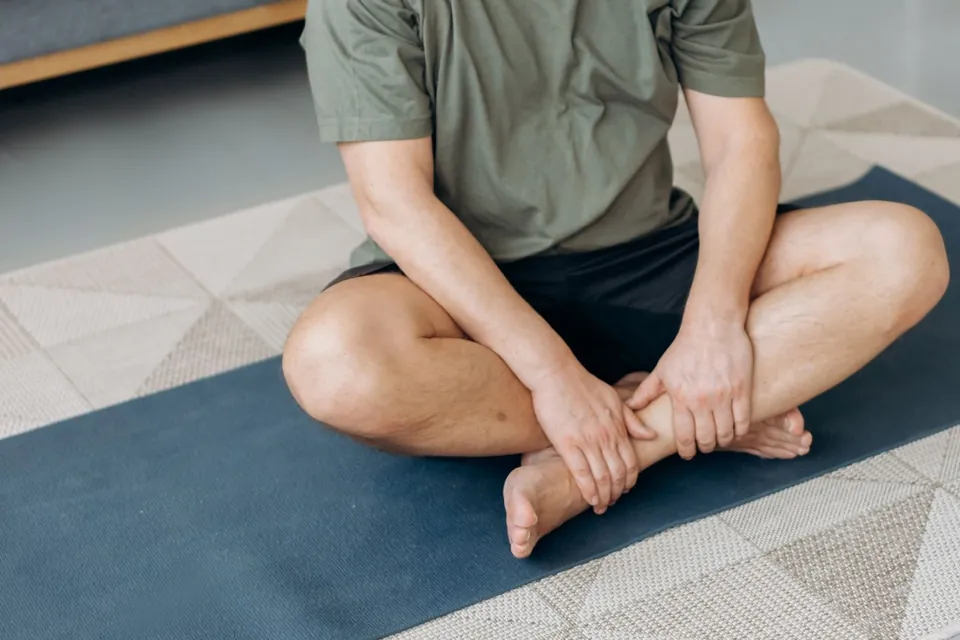
The sessions are scheduled, which helps restore a sense of routine. They also create an opportunity to participate with others from home. For someone who is finding it difficult to organise these things independently, that external structure can make the first months after retirement feel less empty.
Vayofit is a wellness programme, not a treatment for depression or a diagnostic service for dementia. It should complement, rather than replace, appropriate medical care. Families and older adults can begin with MHITR®’s free, no-commitment assessment to see whether the programme is a suitable fit.
Retirement depression: when the adjustment becomes difficult
Retirement can be emotionally demanding, particularly when it is unexpected or follows years of work that provided a strong sense of identity. A person may begin to feel they are no longer needed. They may miss the independence that came with earning an income, the recognition associated with their position, or the everyday company of colleagues.
These feelings deserve to be taken seriously. Signs that an older adult may be struggling include:
Persistent sadness, irritability or low mood
Losing interest in hobbies they previously enjoyed
Withdrawing from friends, family and social gatherings
Changes in sleep or appetite
Feeling worthless, helpless or unusually guilty
Difficulty concentrating or making decisions
Persistent fatigue or loss of motivation
Not every change in mood means clinical depression. Grief, physical illness, medication effects and sleep problems can also affect emotional wellbeing. Symptoms that persist or interfere with daily life warrant a conversation with a qualified healthcare professional. Depression is not an inevitable consequence of retirement, and effective support is available.
Families should avoid responses such as “You have worked enough, just relax.” Rest is important, but someone experiencing depression may need understanding and professional help rather than pressure to simply become more active.
Things to do after retirement in India: building a brain-healthy routine
A meaningful retirement does not require an expensive lifestyle or a packed schedule. It needs a balance of movement, mental engagement, social connection and activities that give the day some structure.
1. Establish a daily routine
One of the simplest things to do after retirement is to create a predictable daily rhythm. This might include waking at a consistent time, taking a morning walk, having breakfast, setting aside time for a hobby, and maintaining regular social contact.
A routine provides structure without recreating the demands of employment. It also makes it easier to notice changes in sleep, mood, appetite and activity. Leave room for spontaneity, rest and enjoyment.
2. Make physical activity part of the week
Movement is an important part of healthy ageing. Walking, gentle yoga, swimming, gardening and appropriate strength exercises help maintain mobility and physical function.
The World Health Organization recommends that older adults work towards 150–300 minutes of moderate-intensity aerobic activity each week, alongside muscle-strengthening activities on at least two days and activities that improve balance on three or more days. People should adapt activity to their health and physical capacity, starting gradually if they have been inactive.
Someone with arthritis, heart disease, balance difficulties or another medical condition may need an individually adapted plan. A healthcare professional or physiotherapist can help identify suitable activities.
3. Explore hobbies that encourage learning
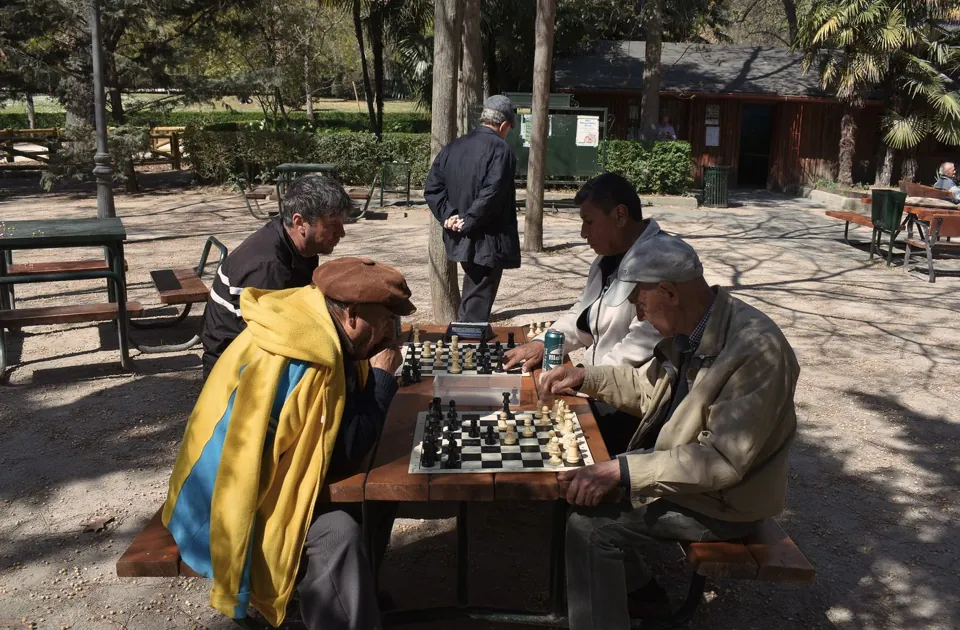
Retirement offers time to explore interests without needing to turn them into a career. Learning a musical instrument, reading, painting, cooking, gardening, photography, playing chess or studying a new language can make the day more engaging.
For men over 60 looking for hobbies after retirement, activities such as gardening, woodworking, chess, mentoring younger people, volunteering or joining a walking group can provide both enjoyment and purpose. Women should have the same freedom to explore interests beyond traditional expectations of family and household responsibilities.
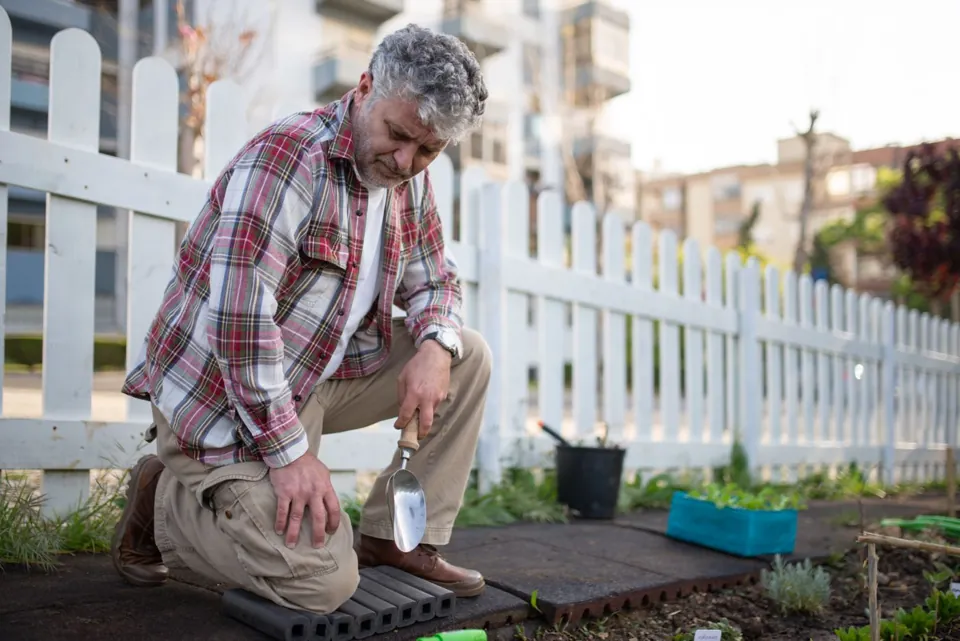
The most useful activity is not necessarily the most intellectually complicated one. It is something the individual enjoys and is willing to continue.
4. Stay socially connected
Do not wait for people to visit before making social interaction part of the week. Arrange regular calls with friends, meet former colleagues, attend community events, join a local group or spend time with grandchildren.
In India this could include participating in a residents’ welfare association, a local senior citizens’ group, a religious or cultural community, or neighbourhood activities. For those who cannot travel easily, phone calls and online group activities can help maintain contact. Our guide to staying socially connected in later life has more ideas.
The goal is meaningful connection, not simply being surrounded by people.
5. Find a new way to contribute
Purpose does not have to disappear when employment ends. A retired teacher might volunteer to tutor children. A former accountant could help a community organisation with its finances. Someone who ran a business might mentor younger people.
Others may find purpose in caring for a garden, supporting a neighbourhood initiative, sharing family history or learning something entirely new. Contribution can be formal or informal. What matters is having something that feels worthwhile.
6. Look after sleep and emotional wellbeing
Retirement can change sleep patterns. Without a fixed morning schedule, some people begin staying up later or sleeping irregularly. Maintaining consistent sleep and wake times, getting daylight exposure, staying physically active and avoiding excessive daytime napping may help.
It is also important to make room for emotional wellbeing. Meaningful conversations and activities that bring enjoyment can help with the adjustment. Persistent sleep problems or emotional distress should be discussed with a healthcare professional rather than treated as something that simply comes with age.
How families can support someone after retirement
Families sometimes assume that retirement automatically means more time for family life. Older adults may be navigating a significant personal adjustment that is not immediately visible.
Instead of deciding how a retired parent should spend their time, involve them in the conversation. Ask what they would like to do. Encourage old interests and support new ones. Invite them to family activities without making every interaction revolve around their age or health.
Pay attention to changes. Has the person stopped meeting friends? Are they spending most of the day alone? Have they lost interest in activities they previously enjoyed? These observations are not a diagnosis, but they can help families recognise when someone might benefit from additional support.
Most importantly, avoid treating retirement as the end of a person’s usefulness. Their experience, knowledge and ability to contribute do not expire when their employment does.
Retirement is not the end of purpose
The first years after retirement can be a period of adjustment, but they can also be a chance to build a life that is less dictated by professional obligations and more guided by personal interests.
There is no universal retirement routine. Some people will find fulfilment in travel, others in gardening, volunteering, family life, learning or simply having more time to themselves.
What matters is that retirement does not become a gradual withdrawal from movement, meaningful activity and human connection. Those same three areas appear among the 14 modifiable risk factors for dementia.
A career may have given someone a title, a timetable and a professional identity. Retirement offers the opportunity to discover what else can give life structure and meaning.
The working years may have ended. The opportunity to keep growing has not.
Frequently asked questions
Does retirement affect brain health?
Research is mixed. Some reviews link retirement with changes in cognitive performance; others find little or no overall effect on global cognition. What seems to matter more is what replaces work: how much movement, mental challenge and social contact the person keeps in their week.
Why do the first years after retirement matter?
Because that is often when daily life changes most sharply. Work-based routine, colleagues, problem-solving and commuting can disappear almost overnight. The first two years are a useful time to build new habits and watch emotional wellbeing, though they are not a medical deadline.
What are the signs of depression after retirement?
Persistent sadness or irritability, losing interest in hobbies, withdrawing from friends and family, changes in sleep or appetite, feeling worthless or guilty, difficulty concentrating and ongoing fatigue. Symptoms that persist or affect daily life should be discussed with a qualified healthcare professional.
What are good things to do after retirement in India?
Keep a daily routine, aim for regular physical activity (WHO suggests 150–300 minutes of moderate activity a week for older adults, adapted to health), take up hobbies that involve learning, join a residents' welfare association or senior citizens' group, volunteer or mentor, and look after sleep.
How can families support a parent who has just retired?
Ask what they would like to do rather than deciding for them, encourage old and new interests, include them in family activities, and notice changes such as withdrawal or loss of interest. Avoid treating retirement as the end of their usefulness.