
When an older family member begins forgetting conversations, struggling to recognise familiar places or experiencing noticeable changes in behaviour, the first concern is often dementia. Soon after, another term enters the conversation: Alzheimer’s disease.
The two are frequently used interchangeably, even in everyday discussions about ageing and memory loss. But are dementia and Alzheimer’s actually the same thing?
The distinction is important, particularly for families trying to understand a diagnosis, recognise early symptoms and determine what kind of support their loved one may need. Dementia is an umbrella term describing a group of symptoms associated with declining cognitive function, while Alzheimer’s disease is a specific brain disorder and the most common cause of dementia.
Understanding this difference is the first step towards recognising the different conditions that can affect an older person’s memory, thinking and independence.
Dementia vs Alzheimer’s: the core difference
Dementia and Alzheimer’s are not the same. Think of dementia as a category and Alzheimer’s as one condition inside that category.
Dementia is not a single disease. As the National Institute on Aging explains, it describes a decline in cognitive abilities (memory, language, reasoning, attention, judgement) severe enough to interfere with daily life. Many different brain changes can produce these symptoms.
Alzheimer’s disease is a progressive neurological condition linked to abnormal build-ups of proteins (amyloid plaques and tau tangles) in the brain. It is the most common cause of dementia, but it is not the only one. Vascular dementia, Lewy body dementia and frontotemporal dementia can cause similar difficulties through different processes.
Not everyone with dementia has Alzheimer’s. Everyone with Alzheimer’s that has reached the dementia stage will show dementia symptoms.
The main types of dementia
Different types of dementia affect different parts of the brain and therefore present differently.
Type | What happens in the brain | Early signs families often notice |
|---|---|---|
Alzheimer’s disease | Amyloid plaques and tau tangles build up | Trouble learning and keeping new information, repeated questions |
Vascular dementia | Blood-flow problems, often after a stroke or several small strokes | Slower thinking, difficulty planning and organising, walking or balance problems |
Lewy body dementia | Alpha-synuclein deposits (Lewy bodies) inside brain cells | Fluctuating alertness, visual hallucinations, stiffness, acting out dreams |
Frontotemporal dementia | Damage to the frontal and temporal lobes | Changes in behaviour, personality or language; memory often preserved early |
1. Alzheimer’s disease
This is the most common form, especially in older adults. Memory problems are often among the earliest signs, particularly difficulty learning and retaining new information. Other common features include repeatedly asking the same questions, forgetting recent conversations, trouble finding words, confusion about time or place, and changes in judgement or behaviour. As the condition progresses, more help is usually needed with everyday tasks and personal care.
2. Vascular dementia
This develops when blood-flow problems damage the brain. It can follow a stroke, multiple small strokes, or other conditions that affect the brain’s blood vessels. Unlike the memory-first pattern often seen in Alzheimer’s, vascular dementia may begin with difficulties in attention, planning, organisation and decision-making. Thinking can feel slower, and walking or balance may also be affected. Managing blood pressure, diabetes and other vascular risks is especially important here.
3. Lewy body dementia
This is linked to abnormal deposits of a protein called alpha-synuclein (Lewy bodies) inside brain cells. Characteristic features include fluctuating alertness, visual hallucinations, muscle stiffness, slowed movement, balance problems and sleep disturbances (including acting out dreams). A person’s clarity can change noticeably from one moment to the next.
4. Frontotemporal dementia (FTD)
This affects the frontal and temporal lobes, which are involved in behaviour, personality, language and decision-making. Memory is often relatively preserved early on. Instead, families may notice unusual or socially inappropriate behaviour, reduced empathy, impulsivity, changes in eating habits, or difficulty producing or understanding language. FTD can appear at a younger age than many other dementias, sometimes before 65.
Some people have mixed dementia, where more than one process is at work. These four types cover the majority of cases families encounter, but they are not an exhaustive list. The National Institute of Neurological Disorders and Stroke describes the wider range.
Dementia vs delirium
Another frequent source of confusion is the difference between dementia and delirium.
Dementia usually develops gradually over months or years. Delirium appears suddenly, often over hours or days, and involves an acute disturbance in attention and awareness. It can be triggered by infections, medication side effects, dehydration, metabolic problems or hospitalisation.
A person with delirium may become unusually confused, agitated or drowsy, and their state can fluctuate through the day. Sudden confusion should never be dismissed as “just the dementia” or normal ageing. Delirium is a medical emergency that needs prompt assessment. It can also occur in someone who already has dementia, which makes recognition even more important.
Amnesia vs dementia
Memory loss alone does not equal dementia. Amnesia refers to significant difficulty recalling past events or forming new memories. It can follow brain injury, certain neurological conditions, trauma or other medical events. Other cognitive abilities (reasoning, language, judgement) may remain intact.
Dementia is broader. It involves decline across multiple areas of thinking that is severe enough to interfere with everyday functioning. Memory problems are common, but they usually appear alongside difficulties with planning, communication, judgement or other skills.
Amnesia is not necessarily progressive. Dementia, particularly when linked to neurodegenerative disease, generally worsens over time. Memory loss by itself is not enough to diagnose dementia.
Dementia | Delirium | Amnesia | |
|---|---|---|---|
Onset | Gradual, over months or years | Sudden, over hours or days | Often after an injury or medical event |
Main feature | Decline across several thinking skills | Disturbed attention and awareness | Difficulty recalling or forming memories |
Course | Usually progressive | Fluctuates; often improves when the cause is treated | Not necessarily progressive |
What to do | Arrange a medical assessment | Seek urgent medical help | Arrange a medical assessment |
When families should seek an assessment
Occasional forgetfulness is common with age. Misplacing keys, taking longer to recall a name, or needing a moment to find the right word does not automatically signal dementia. Our guide to normal ageing versus early dementia explains the difference in more detail.
Concern rises when the changes are persistent, progressive, or start to interfere with activities the person previously managed independently. Warning signs worth discussing with a doctor include:
Repeatedly forgetting recent conversations
Getting lost in familiar places
Difficulty managing money or household tasks
Trouble following familiar instructions
Noticeable changes in personality or judgement
Increasing difficulty with everyday activities
Forgetting medication or important appointments

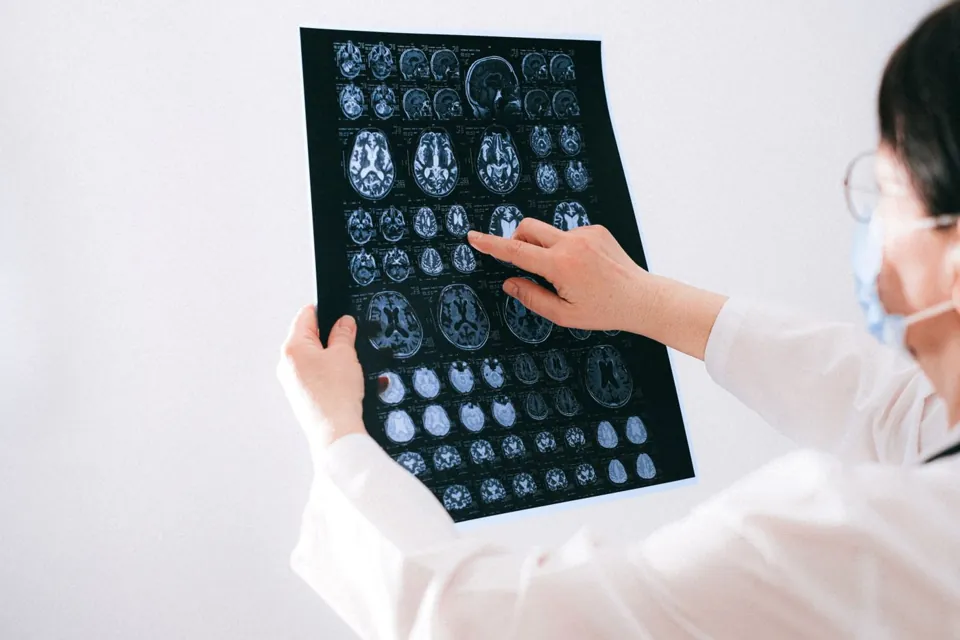
A proper assessment usually includes medical history, medication review, cognitive testing, mood evaluation and physical health checks. Blood tests or imaging may be recommended. This step matters because several treatable conditions, such as vitamin deficiencies, thyroid problems, depression and medication effects, can produce dementia-like symptoms. See 8 treatable causes of memory loss in elderly adults.
Families should not try to diagnose based on a checklist alone. Professional assessment gives a clearer picture of what is happening and what to do next.
Supporting someone after a diagnosis
A diagnosis does not mean the person must immediately lose independence or stop doing things they enjoy. The type and stage of dementia influence how much support is needed.
Helpful approaches include keeping familiar routines, encouraging suitable physical activity, creating opportunities for conversation, using simple memory aids, supporting hobbies the person still enjoys, making the home safer, and attending medical appointments together. Involve the older adult in decisions about their care for as long as they can participate.
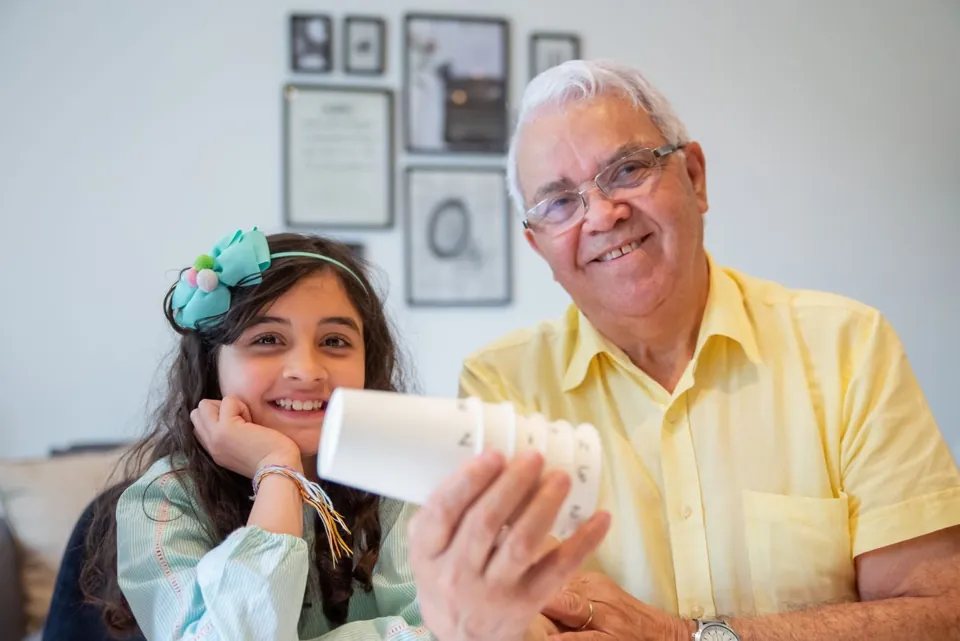
A diagnosis changes the kind of support someone needs. It does not change their dignity, preferences or individuality. The last thing they need is stigma from their own loved ones.
Taking the first step
Recognising that something has changed is important. Understanding the possible reasons is more useful still.
At MHITR®, support for older adults begins with understanding individual needs rather than making assumptions based on age or isolated symptoms. Families who are concerned about an older relative’s cognitive well-being can begin with MHITR®’s free, no-obligation assessment. It is a wellness assessment, not a diagnostic test for Alzheimer’s or any other form of dementia. Anyone with concerning cognitive changes should still seek evaluation from a qualified healthcare professional.
The assessment can help families see whether a structured wellness programme such as Vayofit might be a helpful next step alongside medical care.
Conclusion
Dementia and Alzheimer’s disease are closely related but not the same. Dementia describes a decline in cognitive function that interferes with daily life. Alzheimer’s is one specific disease that can cause it. Knowing the main types, recognising the difference between dementia, delirium and amnesia, and understanding when to seek professional help gives families a clearer path forward.
An older adult is never only their diagnosis. Their experiences, relationships and preferences remain central. Sometimes the most useful thing a family can do is simply notice that something has changed and choose to understand it rather than ignore it.
Better support begins with better understanding. For more, browse our healthy ageing guides.
Frequently asked questions
Is dementia the same as Alzheimer's?
No. Dementia is an umbrella term for a decline in cognitive abilities such as memory, language, reasoning and judgement that is severe enough to interfere with daily life. Alzheimer's disease is one specific brain disease that causes dementia. It is the most common cause, but not the only one.
What are the main types of dementia?
The four main types are Alzheimer's disease, vascular dementia, Lewy body dementia and frontotemporal dementia. Some people have mixed dementia, where more than one process is at work.
What is the difference between dementia and delirium?
Dementia usually develops gradually over months or years. Delirium comes on suddenly, over hours or days, and affects attention and awareness. It can be triggered by infection, medication, dehydration or hospitalisation and is a medical emergency, even in someone who already has dementia.
Is memory loss always a sign of dementia?
No. Occasional forgetfulness is common with age, and memory loss on its own (amnesia) is not dementia. Vitamin deficiencies, thyroid problems, depression and medication effects can also cause dementia-like symptoms, which is why a medical assessment matters.
When should families get an older relative assessed for dementia?
When memory or thinking changes are persistent, getting worse, or start affecting tasks the person used to manage, such as handling money, following instructions, finding their way in familiar places or remembering medication. Sudden confusion needs urgent medical help.