Growing older brings many changes, but few questions feel as weighty as the one about the brain: is dementia something we simply have to accept, or is there anything we can actually do about it?
For a long time, the common view was that dementia arrived mainly through age and genetics, factors outside our control. Research over the past decade has shifted that picture. While no one can guarantee prevention, evidence now shows that a substantial portion of dementia risk is linked to conditions and habits that can be influenced across the lifespan.
The 2024 Lancet Commission on dementia prevention, intervention and care identified 14 such factors. It estimated that addressing them could theoretically prevent or delay nearly 45% of dementia cases worldwide. That figure is not a personal promise. It is a population-level estimate. Still, it offers a clearer and more hopeful message than the idea that nothing can be done.
What the 45% figure actually means
The 45% figure is a population attributable fraction, not an individual risk score. It estimates the proportion of dementia cases in a population that could theoretically be avoided if the listed risk factors were eliminated, assuming the relationships are causal. The factors are not equal in weight, and several overlap. The Commission accounts for that overlap in its combined estimate.
The practical message is simpler: dementia risk builds through a combination of influences over decades. Looking at the 14 factors by life stage makes the opportunities clearer.
The 14 risk factors for dementia
The Lancet Commission groups the 14 modifiable risk factors by the stage of life in which they matter most:
Life stage | Modifiable risk factors |
|---|---|
Early life | Less education |
Midlife | Hearing loss, high LDL cholesterol, depression, traumatic brain injury, physical inactivity, smoking, diabetes, hypertension, obesity, excessive alcohol |
Later life | Social isolation, air pollution, untreated vision loss |
Early life
1. Less education. Education helps build cognitive reserve, the brain’s ability to keep functioning despite age-related or disease-related changes. People with fewer educational opportunities may have less reserve on average.
This is not about blame. Educational access is shaped by circumstances. The useful point is that learning does not have to stop when formal schooling ends. Reading, learning a language, picking up a new skill, practising a craft, or exploring unfamiliar subjects can keep the mind engaged throughout adult life. Even modest, regular mental activity appears to support cognitive resilience.
Midlife
2. Hearing loss. Untreated hearing loss can make conversation harder and gradually reduce social participation. It may also increase the mental effort needed to follow speech. Over time, this can contribute to social withdrawal. Regular hearing checks and appropriate hearing aids, when needed, can help. Hearing difficulties should not simply be accepted as an inevitable part of ageing.
3. High LDL cholesterol. High LDL cholesterol contributes to fatty deposits in blood vessels and was added as a risk factor in the 2024 update, particularly in midlife. Managing it involves diet, physical activity and, when required, medical treatment. Regular lipid checks make it possible to act before problems become more advanced.
4. Depression. Depression affects sleep, concentration, motivation and memory. It can also reduce physical and social activity. Persistent low mood, loss of interest, withdrawal, or difficulty concentrating deserves attention and appropriate support, whether through talking therapies, medication, or both.
5. Traumatic brain injury. A significant head injury is associated with higher later dementia risk. Prevention includes helmets, seat belts, fall prevention at home, and proper medical follow-up after any serious head injury. Even injuries that seem to resolve quickly should not be ignored.
6. Physical inactivity. Physical activity supports cardiovascular health, blood flow and metabolic function. A sedentary lifestyle contributes to several conditions linked to dementia risk.
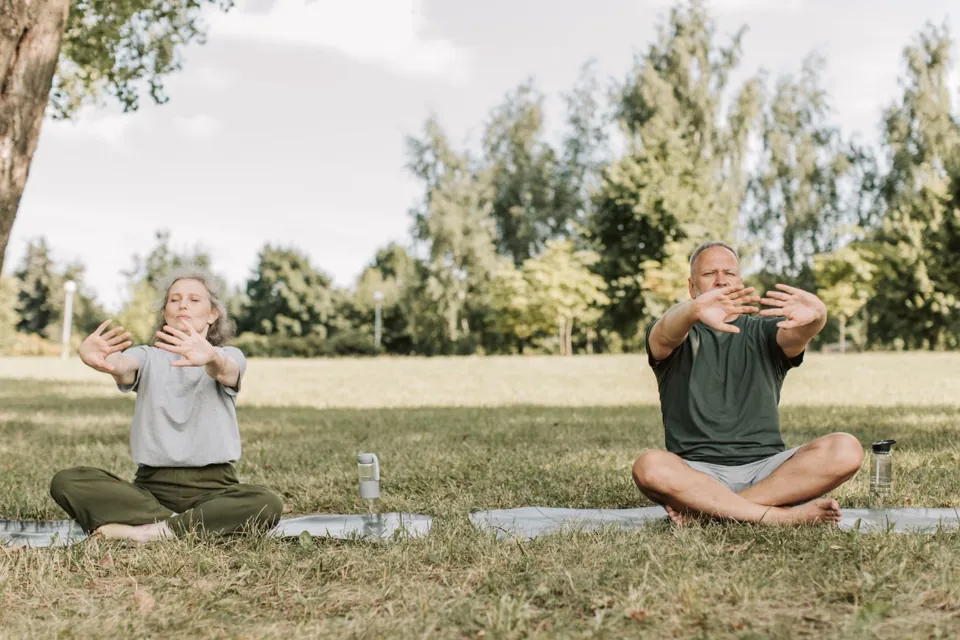
Movement does not need to be intense or complicated. Walking, swimming, cycling, gentle yoga, dancing, or appropriate strength work all count. For older adults, activities should be adapted to mobility, balance and existing medical conditions. Consistency matters more than intensity. A routine that someone can maintain is generally more useful than an ambitious plan that lasts only a few days.
7. Smoking. Smoking damages blood vessels and is linked to higher dementia risk. Stopping benefits health at any age. Support is available for people who want to quit, including behavioural approaches and evidence-based treatments.
8. Diabetes. Poorly controlled diabetes can damage blood vessels that supply the brain. Regular screening, treatment, physical activity and balanced nutrition help manage the condition. People already diagnosed should follow their clinician’s advice and attend routine reviews rather than relying on symptoms alone.
9. Hypertension. High blood pressure can damage blood vessels over time and raise the risk of stroke and vascular cognitive problems. It often has no obvious symptoms, so regular checks matter. Reducing excess salt, staying active, and following prescribed treatment all help keep blood pressure under control.

10. Obesity. Midlife obesity is associated with metabolic and cardiovascular problems that influence brain health. The aim is sustainable habits (balanced meals, regular movement, adequate sleep and medical guidance) rather than appearance-focused pressure.
11. Excessive alcohol consumption. Heavy drinking can affect the brain directly and contribute to other health problems such as high blood pressure and nutritional deficiencies. Reducing intake and seeking help when needed protects overall health.
Later life
12. Social isolation. Limited meaningful social contact is different from choosing solitude. The Commission identifies social isolation as an important risk factor. Reduced social contact can also affect emotional wellbeing and make it harder to maintain mentally stimulating routines.
Regular conversation, community activities, family visits, shared hobbies and group programmes help maintain connection. The goal is not to keep older adults constantly busy, but to ensure that meaningful interaction remains part of everyday life. Our guide to helping seniors stay socially connected has practical ideas.
13. Air pollution. Exposure to polluted air is linked to cardiovascular and respiratory harm and is included among the 14 factors. Individual steps (checking air quality, reducing outdoor exertion on high-pollution days, improving indoor ventilation where possible) can help, but larger environmental action is also needed.
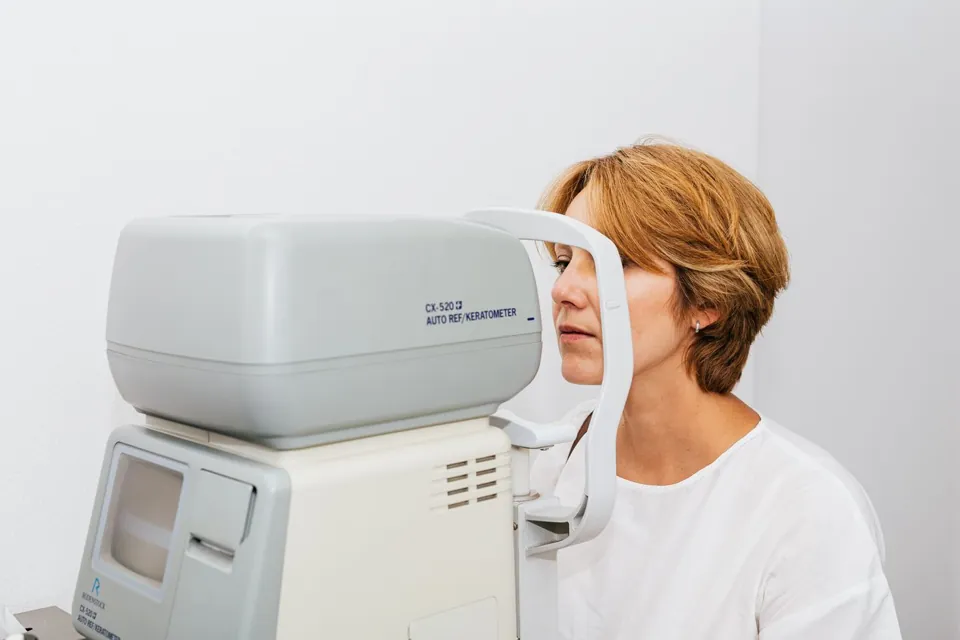
14. Untreated vision loss. Vision problems can reduce independence, reading, hobbies and social participation. The 2024 Commission added untreated vision loss after reviewing the evidence. Regular eye checks and timely treatment of eye conditions matter. Changes in eyesight should not automatically be accepted as an unavoidable part of growing older.
What this means for older adults in India
Global findings need local context. An India-focused study in BMJ Public Health found that lack of education, vision impairment, physical inactivity and social isolation were particularly important contributors when using India-specific data and definitions.
This highlights why prevention strategies work best when they reflect real circumstances: access to education, affordable healthcare, hearing and vision services, safe places to move, and opportunities for social participation. Supporting older adults is not only an individual responsibility; it also involves creating environments in which healthier choices are practical.
Can dementia be reversed or slowed down?
There is currently no established way to reverse the brain changes of most progressive dementias. Prevention and treatment are different questions. Some treatments can help manage symptoms, and certain newer medicines can modestly slow decline in selected people with early Alzheimer’s disease. They are not cures and are not suitable for everyone.
Lifestyle changes and good management of health conditions support overall health and may help reduce risk. They should not be presented as a way to reverse an established diagnosis. Cognitive symptoms can also have other causes, such as medication effects, depression, nutritional deficiencies and sleep problems, so medical assessment remains important when changes are persistent or interfere with daily life. Our article on treatable causes of memory loss in elderly adults covers these in more detail.
Making dementia prevention practical
The list of 14 factors can feel long. The practical message is simpler: brain health is linked to how we live, the care we can access, and the environments around us.
A useful starting point is a routine that includes regular movement, mentally engaging activity, social contact and appropriate health checks. Managing blood pressure, cholesterol and diabetes, addressing hearing or vision difficulties, avoiding tobacco and reducing harmful alcohol use all help.
For older adults, maintaining that routine can become harder when mobility declines, daily structure changes after retirement, or social circles shrink. Structured support can make a difference.
MHITR®’s Vayofit Online Program brings together guided physiotherapy, brain-stimulating activities, gentle yoga and group interaction for adults aged 55 and above. It directly addresses two areas highlighted by the Lancet Commission: physical inactivity and social isolation.
Families can begin with MHITR®’s free assessment to see whether the programme is a suitable wellness option. The assessment helps suggest a starting point; it is not a dementia screening or diagnostic test.
The takeaway
Dementia cannot be prevented with certainty, but its risk is not entirely beyond influence. The 2024 Lancet Commission provides a useful framework for understanding how education, physical health, mental wellbeing, social connection and environmental conditions contribute to brain health across life.
It is never too early or too late to make meaningful changes. We do not need to overhaul everything at once. Addressing one health concern, building one sustainable habit, or reconnecting with one person is a practical place to begin.
A healthier brain is supported by the choices, opportunities and care that accumulate over time. Explore more healthy ageing guides for seniors and families.
Frequently asked questions
Can dementia be prevented?
Not with certainty. The 2024 Lancet Commission estimates that addressing 14 modifiable risk factors could theoretically prevent or delay nearly 45% of dementia cases worldwide. That is a population-level estimate, not a personal guarantee, but it shows that a substantial part of dementia risk can be influenced.
What are the 14 modifiable risk factors for dementia?
Less education in early life; hearing loss, high LDL cholesterol, depression, traumatic brain injury, physical inactivity, smoking, diabetes, hypertension, obesity and excessive alcohol in midlife; and social isolation, air pollution and untreated vision loss in later life.
Which dementia risk factors matter most in India?
An India-focused study in BMJ Public Health (2024) found that lack of education, vision impairment, physical inactivity and social isolation were particularly important contributors when India-specific data and definitions were used.
Can dementia be reversed?
There is currently no established way to reverse the brain changes of most progressive dementias. Some treatments manage symptoms, and certain newer medicines can modestly slow decline in selected people with early Alzheimer's disease. Memory problems can also have treatable causes, so a medical assessment matters.
Is it too late to reduce dementia risk after 60?
No. Treating hearing or vision loss, staying physically active, keeping up social contact, managing blood pressure, cholesterol and diabetes, and stopping smoking all support brain health in later life. Starting with one sustainable habit is a practical first step.