Keeping the mind active does not require complicated technology or expensive equipment. A deck of cards, a crossword, a familiar song or a short conversation can all give the brain something useful to do.
For older adults, brain games offer an enjoyable way to practise memory, attention, language, reasoning and problem-solving. They can also create natural moments to spend time with family. The best activities are rarely the hardest ones. They are the ones that invite participation without making someone feel tested.
Whether you are looking for something to do at home or searching for activities to share with a parent or grandparent, here are 25 brain games for seniors, including printable puzzles and completely screen-free options.
Do Brain Games Actually Help?
There is an important difference between keeping the mind engaged and preventing dementia. Brain games can provide mental stimulation and may help practise particular skills, but they should not be presented as a guaranteed way to prevent Alzheimer’s disease or reverse memory loss.
A 2025 systematic review and meta-analysis of 23 randomised trials found that leisure activities, including certain games, were associated with improvements in some measures of cognition, memory, executive function and quality of life. This does not mean every game produces the same benefit or that playing games prevents dementia.
The National Institute on Aging notes that structured cognitive training can benefit certain abilities, but evidence that commercial brain-training apps produce the same effects remains limited. Meaningful activities such as learning new skills, reading, creative pursuits and social engagement remain valuable.
The practical takeaway is simple: choose activities that are enjoyable, varied and suited to the person. A game should feel like an invitation, not an examination.
25 Brain Games for Seniors
The activities below are grouped by the skills they encourage. Many need only paper and a pen; others use household objects or family participation.
Memory and Recall
1. What Was on the Tray?
Place five to ten familiar objects on a tray. Let the person look for 30 seconds, then cover them and ask what they remember. Use fewer objects for an easier version, or ask for the order to increase the challenge.
2. Complete the Sentence
Read the beginning of a familiar saying and ask the person to finish it, for example “A stitch in time saves…” or “All that glitters is not…”. This often leads into conversation about where they first heard the phrase.
3. Remember the Shopping List
Read a short list of five items. After a pause, ask the person to recall them. Increase the list gradually or ask them to group the items (groceries, household items and so on). Similarly, you can ask them to recite a recipe they remember.
4. Family Photo Recall
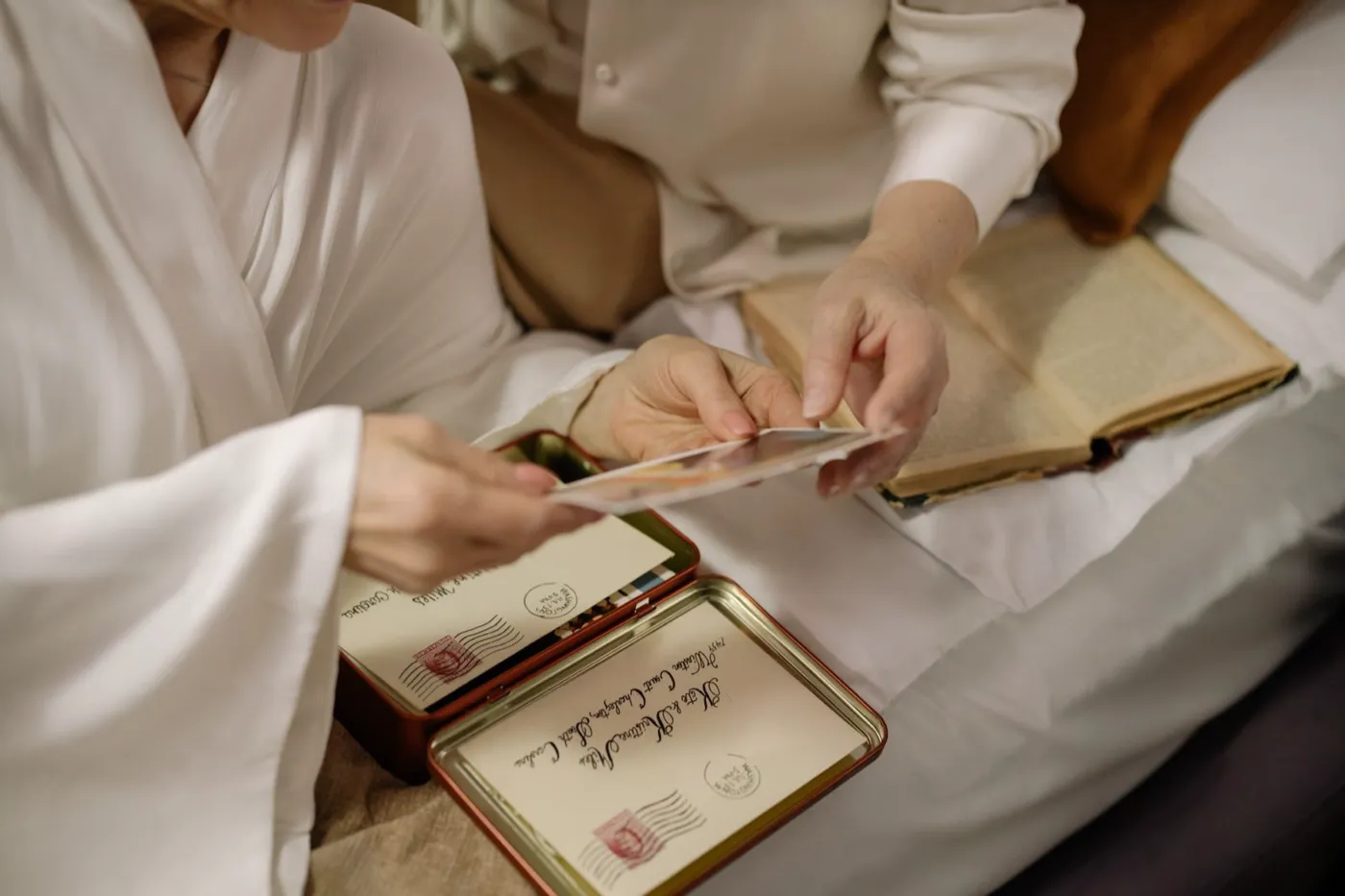
Show a familiar family photograph and ask questions: Who is in the picture? Where was it taken? What occasion was it? This combines recognition with personal memory and conversation.
5. Match the Pairs
Create pairs of cards with matching pictures or words. Place them face down and take turns turning over two at a time. Start with four or six pairs.
Language and Word Games
6. Name, Place, Animal, Thing
Choose a letter. Each person names a person, place, animal and object beginning with that letter. No need to rush.
7. Word Association
Say a word and ask for a related one (Garden → Flowers, Rain → Umbrella). Continue the chain for as long as it remains enjoyable.
8. Unscramble the Word
Write a familiar word with the letters mixed up (PPALE → APPLE, RHAIC → CHAIR). Start with short, everyday words.
9. Finish the Story
Begin a short story with two or three sentences and invite the person to continue. There is no correct ending; the aim is expression and imagination.
10. Opposites Challenge
Say a word and ask for its opposite (Hot → Cold, Early → Late). You can extend this by asking the person to use both words in a sentence.
Logic and Reasoning
11. Sudoku
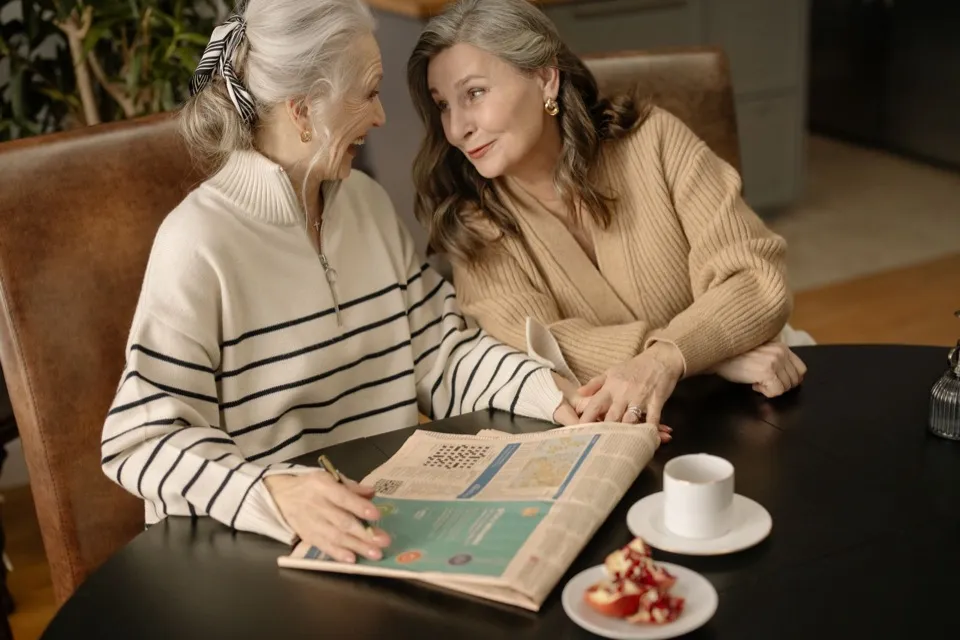
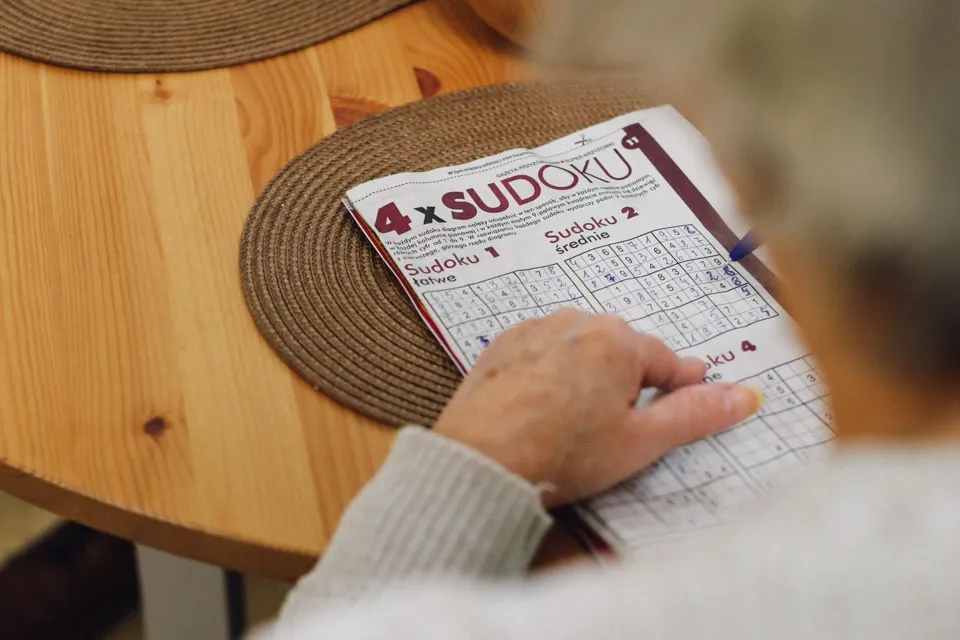
Begin with an easy, large-print puzzle. Participants can use a pencil and take their time.
12. Find the Odd One Out
Present four words or pictures and ask which does not belong (Mango, Banana, Apple, Carrot). Different explanations can lead to interesting discussion.
13. Pattern Completion
Create a simple sequence and ask what comes next (2, 4, 6, 8, __ or Circle, Square, Circle, Square, __).
14. What Comes Next?
Describe a familiar sequence of everyday actions and ask what should happen next. This can be adapted to routines such as making tea or getting ready to go out.
15. The Mystery Object
Describe an everyday object without naming it (“I have a face and two hands but no arms or legs…”) and ask the person to identify it.
Attention and Observation
16. Spot the Difference
Use two similar pictures with a few clear differences. Avoid making the differences so tiny that the activity becomes frustrating.
17. Count the Objects
Place buttons, coins or coloured blocks on a table. Ask the person to count them or sort them by colour, shape or size.
18. Alphabet Search
Choose a letter and ask the person to find as many objects in the room as possible that begin with it.
19. Follow the Instructions
Give two or three simple instructions in sequence (“Pick up the blue pen, place it beside the notebook, then close the book”). Adjust the number to the person’s comfort.
20. Colour Sorting
Mix coloured objects and ask the person to sort them. You can add a second rule (sort by size after colour).
Creative and Social Games
21. Finish the Song
Sing or play the beginning of a familiar song and pause. Invite the person to continue. Music often prompts memories and conversation.
22. Storytelling from an Object
Choose an ordinary object (an old key, a postcard, a cooking utensil) and ask the person to invent a story about it or share a memory connected to it.
23. Picture-Based Conversation
Show a photograph of a market, garden, station or family gathering. Ask what they notice and what the scene reminds them of. There are no wrong answers.
24. Build a Shape
Use wooden blocks or large pieces to recreate a simple pattern or object. This encourages spatial reasoning and hand-eye coordination.
25. The Category Challenge
Choose a category (fruits, Indian cities, flowers, household items) and ask participants to name as many examples as they can. Keep it light-hearted.
Many of these also work as group activities. For games suited to kitty parties, residential societies and senior living communities, see our list of 20 indoor games for senior citizens.
Printable Brain Games to Try
Printable activities are useful because they can be kept at home, reused and completed at a comfortable pace. Print this page or copy the puzzles below onto a sheet of paper in large, clear writing.
Printable 1: Complete the sequence
2, 4, 6, __, 10
5, 10, 15, __, 25
20, 18, 16, __, 12
3, 6, 9, __, 15
Printable 2: Unscramble the words
RTAEW → ______
OOKB → ______
RAHCI → ______
RFEWOL → ______
Printable 3: Find the odd one out
- Rose · Lily · Mango · Jasmine
- Bus · Train · Bicycle · Spoon
- January · Monday · March · June
Printable 4: Everyday memory
Read for 30 seconds, then cover and recall:
Milk · Newspaper · Keys · Umbrella · Apples · Soap
Answer key
Sequence: 8, 20, 14, 12
Unscramble: Water, Book, Chair, Flower
Odd one out: Mango, Spoon, Monday
How to Choose the Right Games
A game that works for one person may frustrate another, and age alone does not determine ability or preferred difficulty. Practical points to keep in mind:
- Start at a comfortable level
- Use large print, clear fonts and good lighting
- Choose larger pieces or thicker pencils if hand mobility is limited (see our guide to board games and puzzles for seniors)
- Avoid unnecessary time pressure
- Play together when possible
- Follow the person’s actual interests
Most importantly, do not turn every activity into a test. Constant correction or pressure to perform can remove the enjoyment. If your parent or grandparent is living with dementia, our guide to brain games for elderly people with dementia explains what works at each stage.
How Often Should Seniors Play?
There is no proven daily quota that guarantees better memory. A practical approach is to make mental activities a regular part of life without turning them into an obligation.
Someone might do a word puzzle after breakfast, play a card game with a family member in the afternoon, and learn something new during the week. Variety helps: include language, reasoning, attention, creativity and social interaction rather than focusing only on memory puzzles. For a simple structure, try our 7-day plan to keep elderly parents mentally active at home or these daily mental exercises.
When to Seek Professional Advice
Occasionally forgetting a name or misplacing an object is common. Persistent changes in memory, communication, judgement or the ability to manage familiar activities deserve medical attention. Our guide to normal ageing or early dementia explains the difference.
Brain games are for engagement and enjoyment. They are not diagnostic tools and should not replace medical evaluation when it is needed.
Making Brain Games Part of Everyday Life
Mental stimulation does not have to be expensive or complicated. A crossword, a familiar song, a game of cards or a conversation about an old photograph can all become meaningful parts of the day.
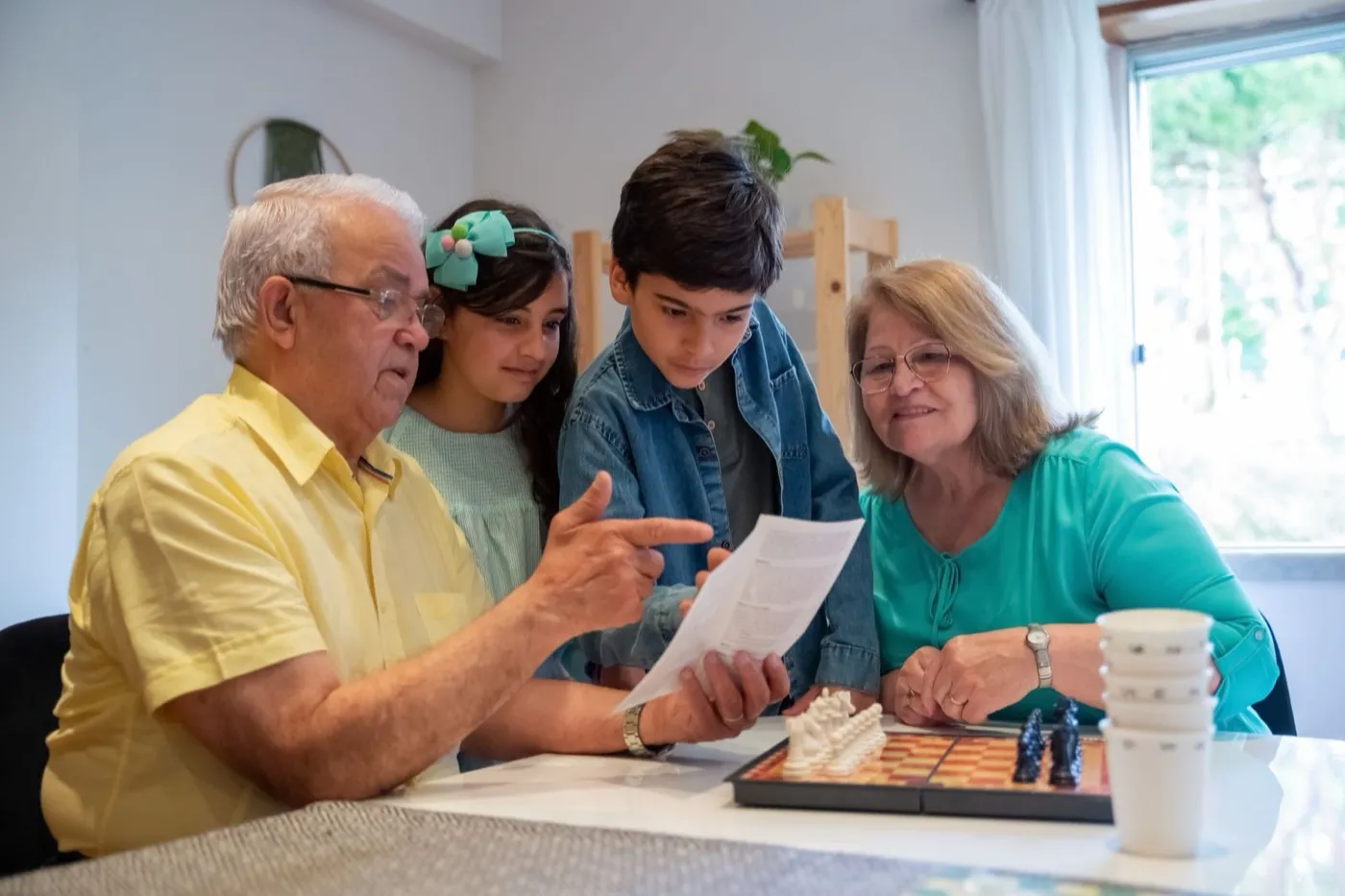
For families, these activities also create shared experiences and encourage conversation.
For those who prefer a more structured collection of screen-free activities, the Vayofit Wellness Kit by MHITR® offers physical games and materials designed for adults aged 55 and above. The kit covers memory and recall, orientation, arithmetic, language, reasoning and mindfulness. It can be used individually or in a group at home, in clinics or in senior living settings.
The important thing is not to complete every puzzle or achieve a perfect score. It is to keep curiosity alive and find activities that give the mind something interesting to do.
Frequently asked questions
Do brain games help seniors?
They can provide mental stimulation and practise particular skills. A 2025 review of 23 randomised trials linked leisure activities, including certain games, with improvements in some measures of cognition, memory and quality of life. Brain games are not a guaranteed way to prevent Alzheimer's disease or reverse memory loss.
What are some easy brain games for seniors?
What Was on the Tray?, Complete the Sentence, Name Place Animal Thing, Word Association, Odd One Out, Spot the Difference, Colour Sorting and Finish the Song are all easy to start with. Most need only paper, a pen or familiar household objects.
Are there printable brain games for seniors?
Yes. This article includes four printable puzzles with an answer key: number sequences, word unscrambles, odd one out and an everyday memory list. Print the page or copy the puzzles onto paper in large, clear writing.
How often should seniors play brain games?
There is no proven daily quota that guarantees better memory. Make mental activities a regular, enjoyable part of the week, and vary them across language, reasoning, attention, creativity and social interaction rather than focusing only on memory puzzles.
When should memory problems be checked by a doctor?
Occasionally forgetting a name or misplacing an object is common. Persistent changes in memory, communication, judgement or the ability to manage familiar activities deserve medical attention. Brain games are not diagnostic tools.