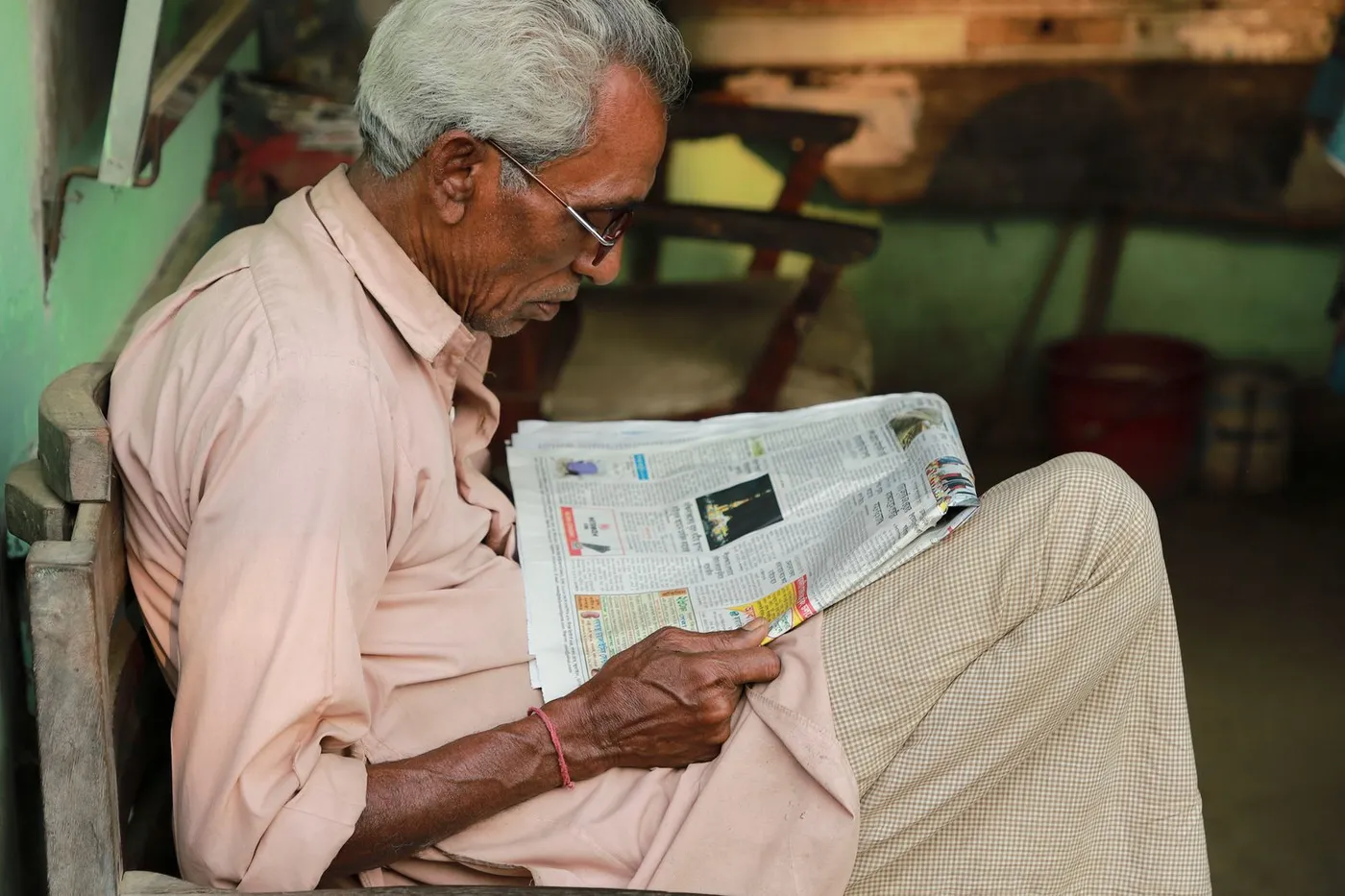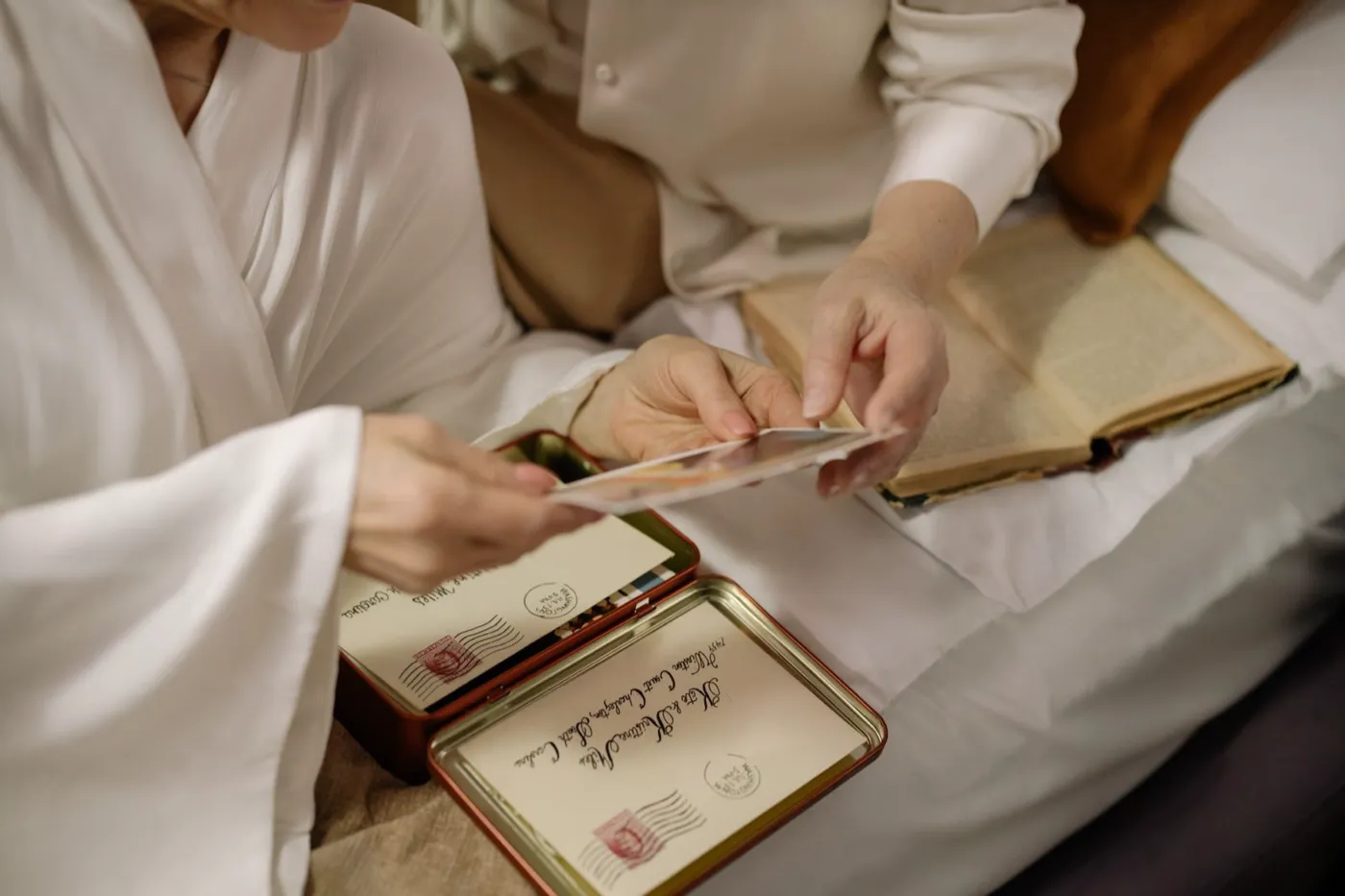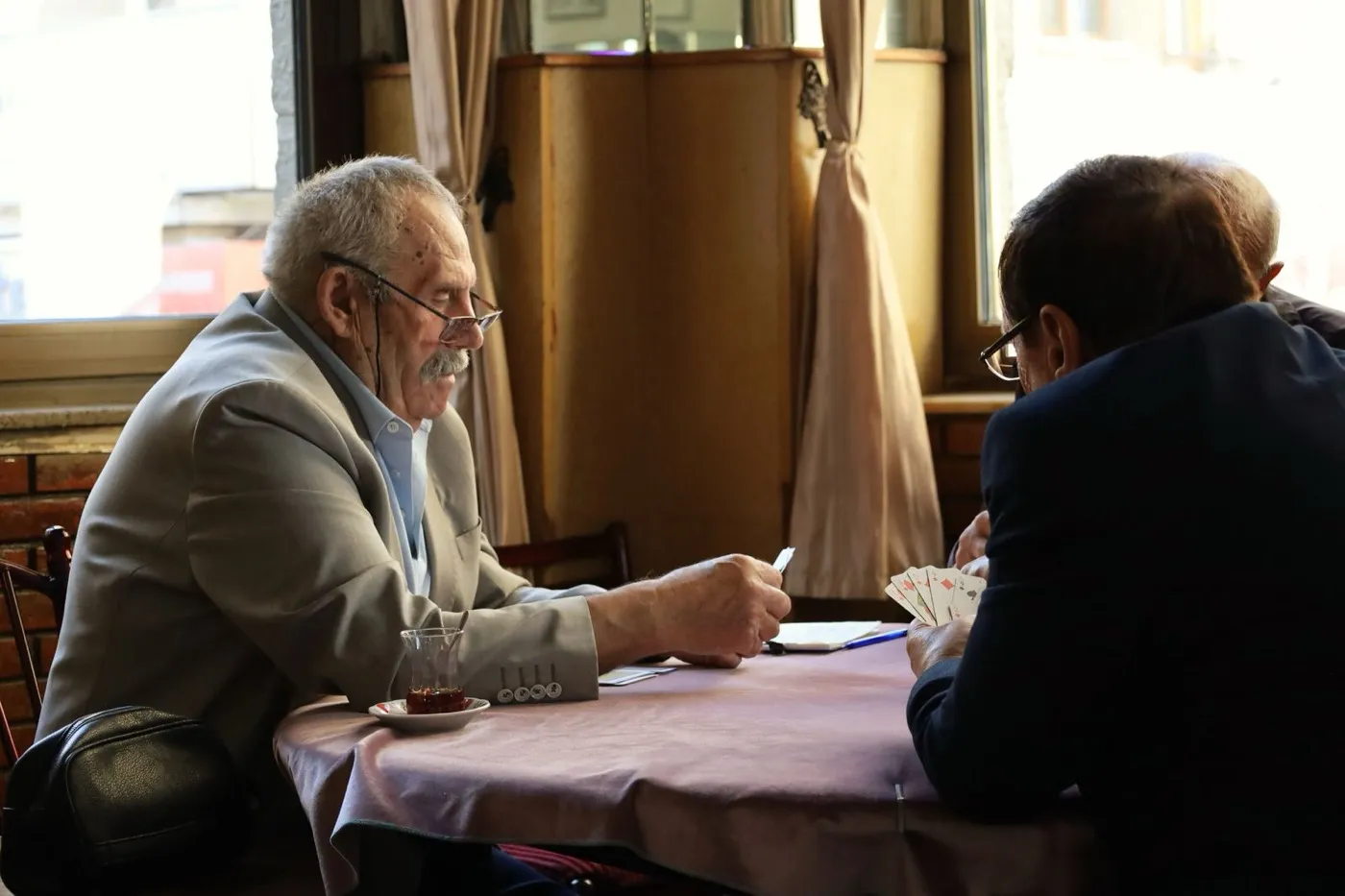
A successful gathering is not measured by how elaborate the decorations are or how many snacks are served. Often, it is the activity around the table that gets people talking, laughing and looking forward to the next meeting.
For senior citizens, indoor games can make social gatherings more engaging while offering opportunities to practise memory, attention, coordination, language and problem-solving. They can also help people get to know one another, particularly in retirement communities, residential societies and senior living facilities.
The key is to choose games that are enjoyable and accessible, rather than turning every gathering into a competition. Older adults have different interests, energy levels, mobility and sensory needs. A good activity makes room for those differences instead of expecting everyone to play in exactly the same way.
20 indoor games for senior citizens
These ideas work across different settings, from a small kitty party to a larger senior citizens’ association meeting. Most require inexpensive materials that are easy to find in India.
Games for kitty parties and small gatherings
These are suitable for groups that want something light-hearted, sociable and easy to organise.
1. Name, Place, Animal, Thing
Give participants a letter and ask them to write a name, place, animal and thing beginning with it. You can add categories such as food, film or famous personality. Play individually or in teams, depending on the group.
What it encourages: Word retrieval, vocabulary and quick thinking.
2. Guess the Song
Play a short instrumental introduction or sing a few lines from a familiar Hindi, regional or old film song. Participants guess the title or complete the next line. You can make it a team activity or invite people to sing along.
What it encourages: Listening, memory and shared enjoyment.
3. Identify the Object
Place familiar household objects in a bag. Participants feel one object without looking and try to identify it. Choose safe, recognisable items such as a spoon, comb, key or soft ball.
What it encourages: Sensory awareness and descriptive language.
4. Finish the Proverb
Read the beginning of a familiar proverb or saying and ask participants to complete it. Include sayings in different Indian languages if the group is multilingual.
What it encourages: Language, recall and cultural connection.
5. Picture Memory
Show a picture containing several familiar objects for 30 to 60 seconds. Cover it and ask participants to recall as many objects as they can. Make the picture simpler or more detailed depending on the group.
What it encourages: Attention and visual recall.

Games for societies and community halls
These games work well when attendance is larger and organisers need activities that can be played in teams or at different tables.
6. Tambola (Housie)
A familiar favourite at community gatherings. Distribute tickets, call out numbers and let participants mark them. Use large-print tickets and clear number announcements so everyone can follow along.
What it encourages: Attention, number recognition and social interaction.
7. Team Quiz (Trivia)
Prepare questions on Indian history, geography, cinema, music, sport, food or general knowledge. Divide participants into teams and allow them to discuss answers before responding. Keep the questions varied so that different people have a chance to contribute.
What it encourages: Recall, reasoning and teamwork.
8. Antakshari
Divide the group into teams and take turns singing songs beginning with the last letter or sound of the previous song. Include regional music and devotional songs if participants enjoy them.
What it encourages: Memory, language and group participation.
9. Pass the Parcel
Pass a soft parcel while music plays. When the music stops, the person holding it completes a light-hearted prompt, answers a question or performs a simple task. Avoid embarrassing or physically demanding challenges.
What it encourages: Listening, anticipation and social confidence.
10. Balloon Volleyball
Participants sit in a circle or stand in a suitable open area and gently pass a balloon to one another without letting it touch the floor. A seated version can make the game accessible to people who prefer not to stand.
What it encourages: Hand-eye coordination, attention and gentle movement.
Games for senior living communities
These activities can be incorporated into regular recreation schedules, alongside a weekly engagement plan. They are particularly useful when organisers want a mix of individual participation, small-group interaction and activities that can be repeated.
11. Ludo
A familiar board game that can be played in pairs or small groups. Use larger pieces and dice if handling small objects is difficult.
What it encourages: Counting, turn-taking and planning.
12. Carrom
A classic Indian tabletop game. Players take turns striking the carrom men into the pockets. A larger striker or adapted setup may help participants who find small pieces difficult to handle.
What it encourages: Hand-eye coordination, aiming and concentration.
13. Dominoes
Players match tiles according to the number of dots or another agreed pattern. Larger dominoes can make the pieces easier to see and handle.
What it encourages: Pattern recognition, attention and strategy.
14. Jigsaw Puzzle Challenge
Place a large-piece puzzle on a shared table and invite participants to work together. Choose an image that is familiar or interesting to the group, such as a landscape, Indian monument or traditional artwork.
What it encourages: Visual reasoning, collaboration and problem-solving.
15. Chess or Draughts
Set up a board for participants who enjoy strategy games. Offer larger boards and pieces where needed, and allow people to play at their own pace.
What it encourages: Planning, concentration and strategic thinking.
For more ideas on choosing and adapting tabletop games, see our guide to board games and puzzles for seniors with arthritic hands or poor eyesight.
Games that encourage creativity and connection
Not every activity needs a winner. These options are useful for mixed groups, people who are new to the community, or participants who prefer conversation and creative expression, and they can help newer residents feel socially connected.
16. Story Chain
One person begins a story with a sentence. Each participant adds another sentence until the group has created a complete story. It can be funny, imaginative or based on a familiar experience.
What it encourages: Language, creativity and listening.
17. Memory Lane
Show old photographs, familiar objects, film posters or pictures of places. Invite participants to share memories or stories connected to them. Nobody should be pressured to remember a particular detail.
What it encourages: Conversation, personal expression and social connection.
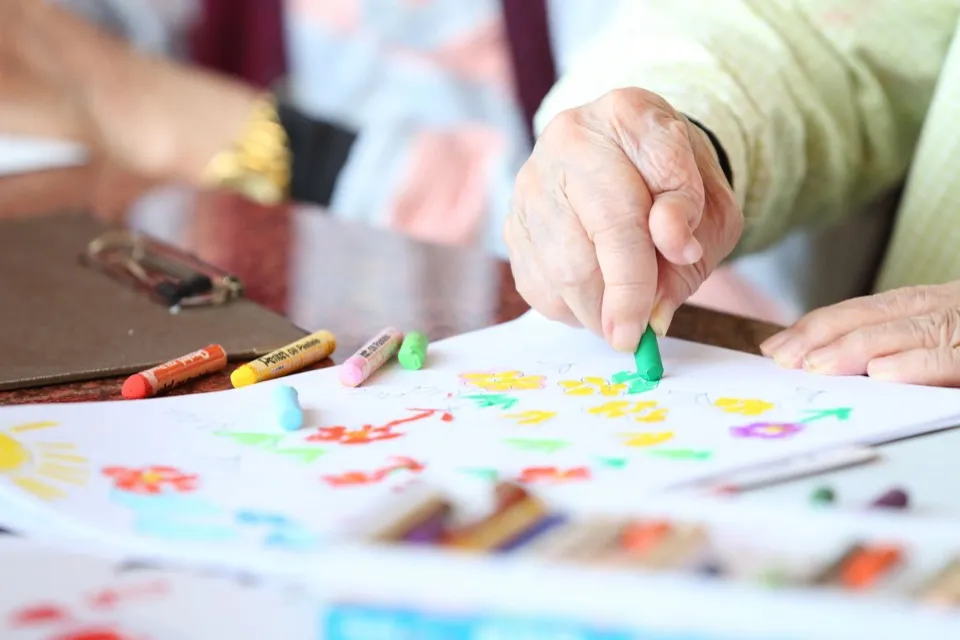
18. Group Drawing
Give participants paper and colouring materials. They can create individual drawings or contribute to one large group picture. Choose a theme such as a garden, festival or favourite place.
What it encourages: Creativity, fine motor activity and collaboration.
19. Name That Tune: Regional Edition
Play short clips from familiar regional songs and ask participants to identify the language, singer or song. This can be especially enjoyable in communities where residents come from different parts of India.
What it encourages: Listening, recognition and cultural exchange.
20. Themed Treasure Hunt
Hide safe, easy-to-find objects around a room and provide simple clues. Participants can search individually, in pairs or as teams. For people with limited mobility, place objects on tables or at reachable heights rather than requiring them to bend or walk around.
What it encourages: Observation, problem-solving, teamwork and some movement.
How to choose the right games for your group
The best indoor games for senior citizens are not necessarily the most complicated. They are the ones people can comfortably understand, enjoy and participate in. A few practical considerations can make a significant difference:
- Consider mobility: Offer seated versions of games and ensure there is enough room for wheelchairs, walking aids and comfortable movement.
- Make materials easy to use: Larger cards, pieces and dice can help participants who have difficulty with grip or fine motor control.
- Pay attention to visibility: Use clear print, good lighting and strong contrast between game pieces and playing surfaces.
- Keep instructions simple: Explain one step at a time and demonstrate a round before beginning.
- Avoid unnecessary pressure: Do not make speed, perfect recall or winning the measure of success.
- Offer different levels of difficulty: A mixed group may include people who enjoy challenging puzzles and others who prefer simpler activities.
- Allow people to opt out: Participation should be an invitation, not an obligation.
If some members of the group live with memory problems, our guide to brain games for elderly people with dementia explains how to adapt activities at each stage.
For community organisers, it also helps to rotate activities. Repeating the same games every week can become predictable, while introducing a new activity occasionally gives participants something to anticipate.
How to organise a simple indoor games session
A structured session does not need to be complicated. For a gathering of around 15 to 25 participants, organisers can try the following format:
Session | Activity | Suggested time |
|---|---|---|
Welcome | Introductions and light conversation | 10 minutes |
Warm-up | Song guessing or a simple quiz | 10 minutes |
Main activity | Team game or tabletop challenge | 25 minutes |
Social break | Tea, refreshments and conversation | 10 minutes |
Closing activity | Group drawing, storytelling or a short game | 15 minutes |
The timings are a suggested format, not a fixed rule. Allow more time for activities that participants enjoy, and shorten or change anything that becomes tiring.
For larger communities, organisers can create activity stations. Participants rotate between tables, each offering a different game. This reduces waiting time and gives people the freedom to choose activities that interest them.
Bringing structured group activities to senior communities
For societies, senior living communities and recreation centres looking to organise activities more regularly, a collection of individual games can be useful, but a structured group format can make planning easier.
The Vayofit Wellness Kit Premium by MHITR® is designed for adults aged 55 and above and can be used in group settings. It brings together physical, screen-free activities across areas such as memory and recall, orientation, arithmetic, language, reasoning and mindfulness. The kit uses a station-based format, with participants rotating through activities. A full circuit takes approximately 60 minutes, and the Premium version includes the complete game library and an instruction manual.
For societies and senior living communities interested in a larger, event-style activity, Brain Olympics by MHITR® offers a structured team-based brain-and-body event. Its activities include coordination and breathing challenges, ring toss and recall, an agility memory walk, cup-based logic, spoon dexterity and breath precision. It combines cognitive tasks, gentle physical activity and social participation in a group event format.
These are wellness and engagement activities, not medical treatments or diagnostic tools. They can complement a community’s recreational programme, but should not replace appropriate medical care or individually recommended rehabilitation.
The larger idea is simple: a community becomes more welcoming when people have regular opportunities to participate, contribute and enjoy one another’s company. A well-chosen game can be a small part of making that happen. For more ideas to try at home, see our list of 25 brain games for seniors.
Frequently asked questions
What are good indoor games for senior citizens?
Games that are easy to understand and enjoyable rather than competitive work best. Popular choices include Tambola (Housie), Antakshari, team quizzes, Name Place Animal Thing, Guess the Song, carrom, Ludo, dominoes, large-piece jigsaw puzzles, story chains and group drawing.
Which games work well for a seniors' kitty party?
Light-hearted, sociable games that are easy to organise suit kitty parties: Name Place Animal Thing, Guess the Song, Identify the Object, Finish the Proverb and Picture Memory. Most need only paper, pens, a few household objects or a phone to play music.
How can indoor games be adapted for seniors with limited mobility or poor eyesight?
Offer seated versions of games, leave room for wheelchairs and walking aids, and use larger cards, pieces and dice. Clear print, good lighting and strong contrast between pieces and the playing surface help people with low vision. Explain one step at a time and let people opt out.
How long should an indoor games session for seniors be?
A simple format for 15 to 25 participants runs about 70 minutes: a 10-minute welcome, a 10-minute warm-up, a 25-minute main activity, a 10-minute tea break and a 15-minute closing activity. Treat the timings as a guide and shorten anything that becomes tiring.
Are indoor games a treatment for memory problems?
No. Indoor games are wellness and engagement activities, not medical treatments or diagnostic tools. They can support social connection and give the mind something to do, but they should not replace medical care or individually recommended rehabilitation.