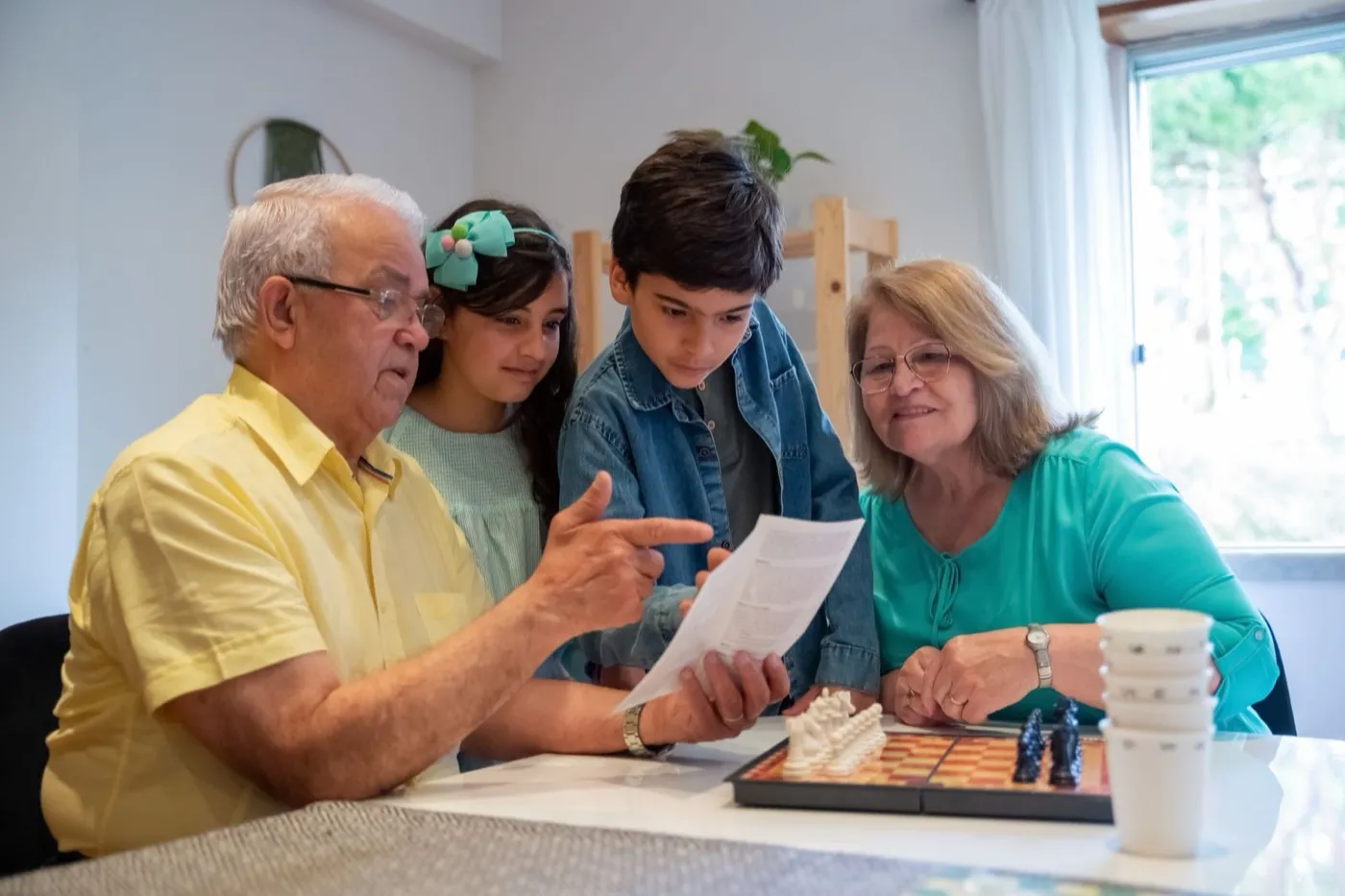
Keeping an ageing parent mentally active doesn’t need complicated equipment, complex exercises or hours of puzzles. Often, it starts with something simpler: a conversation over breakfast, a familiar song, a short walk, a new skill or time with family.
For many families in India, the real challenge is finding activities enjoyable enough to become part of everyday life. Retirement, reduced mobility, shrinking social circles and long hours at home can make days feel repetitive. A little structure brings back variety and connection.
If you are wondering how to keep elderly parents mentally active at home, this seven-day plan is a practical starting point. It mixes thinking, movement, creativity and company, and it can also keep elderly parents busy at home without making the week feel like a timetable of obligations.
Why Mental Activity Matters as We Age
The brain keeps learning and adapting throughout adulthood. Reading, storytelling, games, new skills and meaningful conversation all use different thinking abilities.
The World Health Organization’s 2026 guidelines encourage cognitive stimulation and social activity as part of supporting cognitive health, and recommend physical activity for adults with normal cognition, while acknowledging that the strength of evidence varies between interventions. These activities support healthy ageing, but they shouldn’t be presented as guaranteed ways to prevent dementia.
The National Institute on Aging likewise points to the potential value of meaningful activities, exercise and social connection, and notes that the evidence for lasting cognitive benefits from particular recreational activities isn’t yet definitive.
So, the point isn’t to keep a parent constantly occupied. It’s to give them regular chances to think, move, create, connect and enjoy the day.
A Simple 7-Day Plan to Keep Elderly Parents Mentally Active
The activities below can be adapted to your parent’s interests, energy, mobility and cognitive abilities. Remember that consistency and enjoyment matter more than performance.
Day 1: Revisit memories through storytelling. Bring out an old photo album, wedding pictures, travel photos or family keepsakes, and ask about the people and places in them. Be mindful of the memories that may come up, because you don’t want to bring up past trauma. Good questions include: What was your favourite childhood game? What was your first job like? Which family celebration do you remember most fondly? Reminiscence encourages conversation, self-expression and connection. Don’t turn it into a memory test. If a name or date escapes them, move on naturally. The aim is a meaningful conversation, not perfect recall.

Day 2: Learn something new. Retirement doesn’t end learning, and an unfamiliar skill can make an ordinary day more interesting. Pick something your parent has shown interest in: a few words of another language, a simple recipe, a smartphone feature, a craft, or how to make a video call. If it involves digital payments, practise together and remind them never to share OTPs or bank details. Show one step at a time and let them practise on their own. If they enjoy it, online classes for senior citizens can turn a one-off lesson into a regular habit.
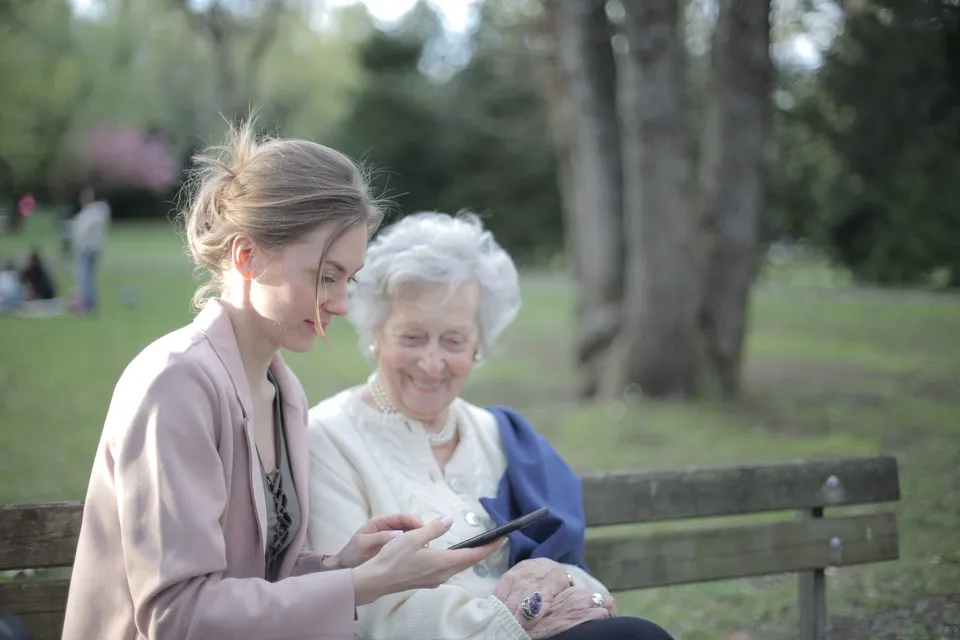
Day 3: Combine gentle movement with conversation. Mental and physical wellbeing are closely linked, and regular physical activity is recommended as part of maintaining cognitive health, according to both the WHO and the National Institute on Aging.
Depending on ability, try a comfortable walk with a family member, chair-based movements, simple stretching, supervised gardening or a suitable yoga session, and use the time to talk about the neighbourhood or upcoming family events. Anyone with significant balance problems, recent surgery, pain or other medical concerns should get professional guidance before starting a new routine.
Day 4: Make room for music and creativity. Creative activities let people express themselves without needing to get answers right, and they are one of the easiest ways to keep elderly parents entertained. Play songs from their younger years, sing familiar devotional or folk songs, colour, sketch, arrange flowers or make rangoli, write a short poem or family story, or make a simple craft. Let your parent choose and set the pace.
Day 5: Give everyday tasks a little purpose. Familiar household tasks involve planning, attention, decisions and coordination. Invite your parent to sort vegetables, help plan a family meal, make a shopping list, fold laundry, or organise photographs or recipes. The keyword is invite, not assign. Let them decide how much to do, and avoid anything involving hot surfaces or sharp objects if it’s hard to manage safely. The aim is to stay involved in everyday life and keep independence.
Day 6: Make social connection a priority. A mentally stimulating week shouldn’t be spent entirely alone. Arrange a visit, a phone call, a video chat or a small family gathering, and encourage your parent to reconnect with a friend, neighbour or former colleague. A community group, senior citizens’ association or hobby club can add regular company. MHITR®’s Brain Olympics is another option: a structured group event that combines cognitive games, gentle movement and social participation, often held in senior living communities and similar settings.
Day 7: Play, reflect and plan the week ahead. End on something light: a board game, word puzzle, picture-matching game, quiz or cards, chosen to suit their eyesight, hearing, hand mobility and interests. Our list of 25 brain games for seniors has more ideas. Then ask which activity they enjoyed most, what they’d like to try again and what they’d like to learn next week.
These activities do not have to be done on separate days or in this exact order. In fact, mixing them often works better. The important thing is to avoid overwhelming your parent. Use the first seven days as a gentle trial: try different kinds of activities one at a time so you can see what they enjoy and what they prefer to leave aside. Once you know their preferences, you can combine activities more freely in the weeks that follow.
If Your Parent Spends Much of the Day Alone
Many parents spend long stretches at home alone, so it helps to line up activities for elderly at home alone that don’t depend on someone being in the room. Keep a photo album, crossword, cards or a simple craft within easy reach. Set a regular time for a phone or video call, so the day has something to look forward to. Leave a short list of favourite songs or programmes. Make sure emergency numbers are visible and that someone checks in at a regular time. These small anchors give a quiet day some shape. Our guide to loneliness in seniors has more on staying connected.
If your parent has memory problems, keep activities simple and familiar, and take advice from their doctor or care team on what suits them.
Making the Routine Work Beyond Seven Days
A seven-day plan is a starting point, not a programme that must be repeated exactly. The real value comes from building a sustainable daily rhythm.
Practical principles that help:
- Follow their interests. An activity your parent enjoys is more likely to stick.
- Keep activities manageable. Short, regular sessions are usually easier to sustain.
- Adapt to changing abilities. Larger print, better lighting, simpler instructions and physical assistance can make activities more accessible.
- Participate together when possible. Shared time feels less like an assignment.
- Allow rest. Mental engagement should not come at the expense of sleep or personal choice.
- Keep some predictability while leaving room for spontaneity.
When Forgetfulness May Need Professional Attention
Some change in memory and processing speed is normal with age. But repeatedly forgetting important information, struggling with familiar tasks, getting disoriented in familiar places or showing noticeable changes in judgement shouldn’t be brushed off as ordinary ageing. If these changes persist or affect daily life, arrange an assessment with a qualified healthcare professional. Some causes of memory difficulty are treatable, and early evaluation helps find out what is happening. If low mood or withdrawal is part of the picture, it is also worth reading about how depression and dementia differ. Activities at home support engagement. They are not a substitute for medical assessment or treatment.
Bringing Structure to the Week With Vayofit
Families don’t always have the time or expertise to plan a fresh activity every day. That’s where a structured programme can help.
MHITR®’s Vayofit Online Program is designed for adults aged 55 and above. It combines guided physiotherapy, cognitive activities, yoga, relaxation and group interaction in live online sessions, giving seniors a regular class routine and company. On the alternate-day option (Monday–Wednesday–Friday or Tuesday–Thursday–Saturday), the days in between are open, which is where the Vayofit Wellness Kit fits. It is a screen-free brain activity kit with six stations across memory, language, reasoning and mindfulness, so your parent can keep practising at home between online sessions.
Guided sessions on class days and independent or family-supported activities on the days between make a natural pairing. Neither is a treatment for dementia or a replacement for individual medical care. All of this is simply to make healthy engagement easier to sustain.
A More Meaningful Week Starts With Small Moments
Keeping elderly parents mentally active doesn’t mean turning the home into a classroom or filling every hour. Sometimes it means listening to a story they’ve told before, asking their opinion on dinner, learning something together or making time for an old friend.
The best routine respects their independence, fits their abilities and gives them something to look forward to. Seven days is a good beginning. What matters is what the family builds afterwards. Perhaps the point of healthy ageing is to make those later years as normal as possible.
Frequently asked questions
How can I keep my elderly parents mentally active at home?
Mix different kinds of activity across the week: storytelling with old photos, learning a new skill, gentle movement with conversation, music and creative work, small household tasks, time with friends and family, and light games. Follow their interests and keep sessions short and regular.
Do brain activities prevent dementia?
Not with certainty. WHO guidelines encourage cognitive stimulation, social activity and physical activity as part of supporting cognitive health, but the evidence varies between interventions. These activities support healthy ageing; they shouldn’t be presented as guaranteed ways to prevent dementia.
What activities suit an elderly parent who is at home alone?
Keep a photo album, crossword, cards or a simple craft within easy reach, set a regular time for a phone or video call, leave a list of favourite songs or programmes, keep emergency numbers visible and make sure someone checks in at a regular time.
When should forgetfulness be checked by a doctor?
Some change in memory is normal with age. Repeatedly forgetting important information, struggling with familiar tasks, getting disoriented in familiar places or noticeable changes in judgement should be assessed by a qualified healthcare professional, especially if they persist or affect daily life.
Should the 7-day plan be followed in exact order?
No. The activities don’t have to be done on separate days or in a fixed order, and mixing them often works better. Use the first week as a gentle trial to see what your parent enjoys, then combine activities more freely.