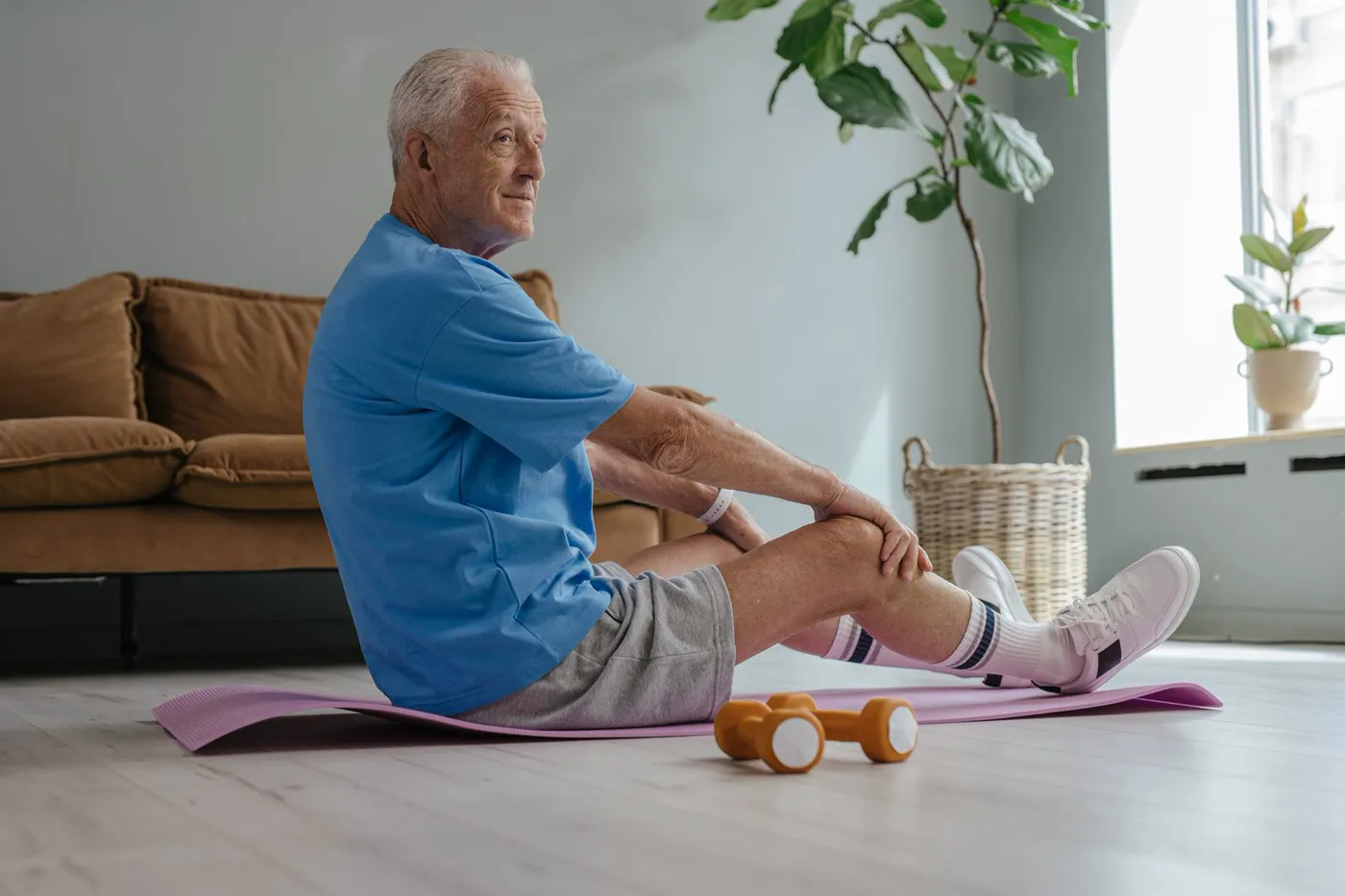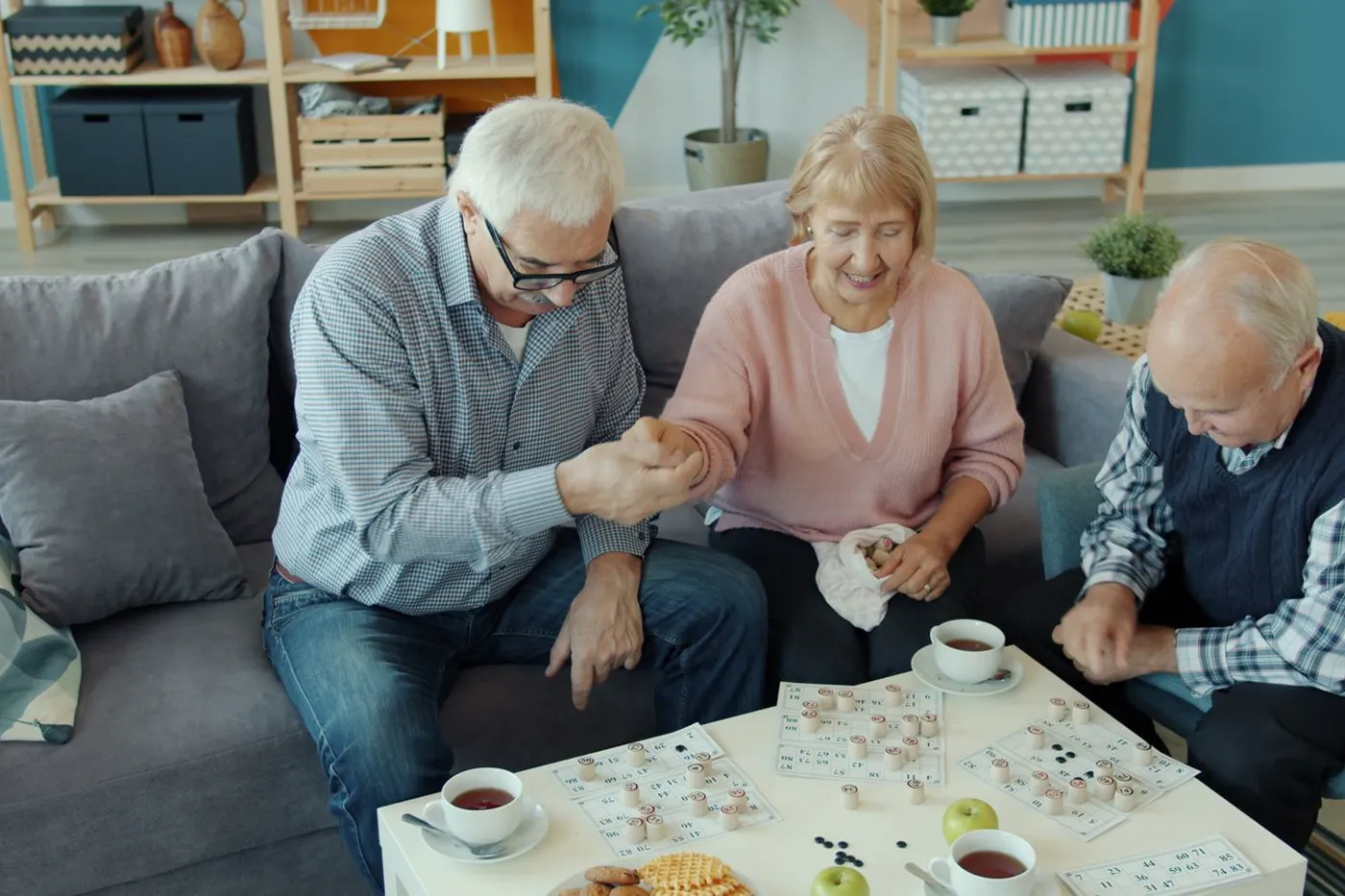
A comfortable room, good meals, attentive staff and reliable medical support matter when families choose a senior living community. Another practical question worth asking is: what does everyday life actually look like for the people living there?
Physical care often receives the bulk of attention—mobility support, nutrition, medication and medical oversight. Mental engagement, social connection and a sense of routine deserve equal space in the same conversation. A structured cognitive wellness program for seniors can help make mental activity a regular part of community life rather than an occasional add-on.
What does an effective program look like, and how can senior living communities in India put one in place?
Why Cognitive Wellness Matters in Senior Living
Moving into a senior living community brings practical advantages: easier daily routines, access to help when needed, and more chances to meet others. It also changes the texture of daily life. For some residents, the shift reduces the natural variety that once came from family interaction, household responsibilities or neighbourhood routines. Days can become more predictable.
Cognitive health is influenced by several everyday factors that sit alongside one another: physical activity, social participation and mental engagement. An analysis of India’s Longitudinal Ageing Study (LASI) found that a significant group reported frequent loneliness. Loneliness was associated with physical inactivity, smaller social networks and lower participation in social activities.
A 2026 longitudinal study of older adults in India found that greater social engagement was linked with higher cognitive scores at the initial assessment. It did not show a clear association with the rate of cognitive change over time.
These findings do not turn social activity into a treatment. They do underline why opportunities for participation and mental engagement belong in the design of community life.
What a Cognitive Wellness Program Actually Involves
A cognitive wellness program is a structured way of offering activities that encourage thinking, memory, communication, reasoning and problem-solving. In a senior living setting this usually means a mix of individual exercises, facilitated group sessions, interactive games and chances for residents to share experiences.
The World Health Organization’s 2026 guidelines on reducing the risk of cognitive decline and dementia include recommendations that support cognitive stimulation and social activity for adults with normal cognition or mild cognitive impairment. These recommendations are conditional and rest on very low to low certainty of evidence. They are worth encouraging as part of healthy ageing, but they are not proven to prevent dementia or reliably slow decline.
A practical program usually covers several domains:
Memory and recall – activities that involve remembering information, recalling familiar experiences or following sequences (memory cards, storytelling, familiar songs, life-review conversations).
Reasoning and problem-solving – puzzles, simple strategy games, basic calculations or logic challenges pitched at a level that feels achievable rather than tested. Our guide to board games and puzzles for seniors covers options for arthritic hands and poor eyesight.
Language and communication – group discussions, word games, reading circles or storytelling. These can use English, Hindi or regional languages according to residents’ preferences.
Attention and orientation – calendar exercises, date recognition, familiar surroundings and short tasks that require sustained focus.
Physical and cognitive coordination – gentle dual-task activities that combine movement with a thinking element, adapted to mobility and physical ability.
Emotional and social engagement – music, shared hobbies, group discussion and simple mindfulness or relaxation practices.
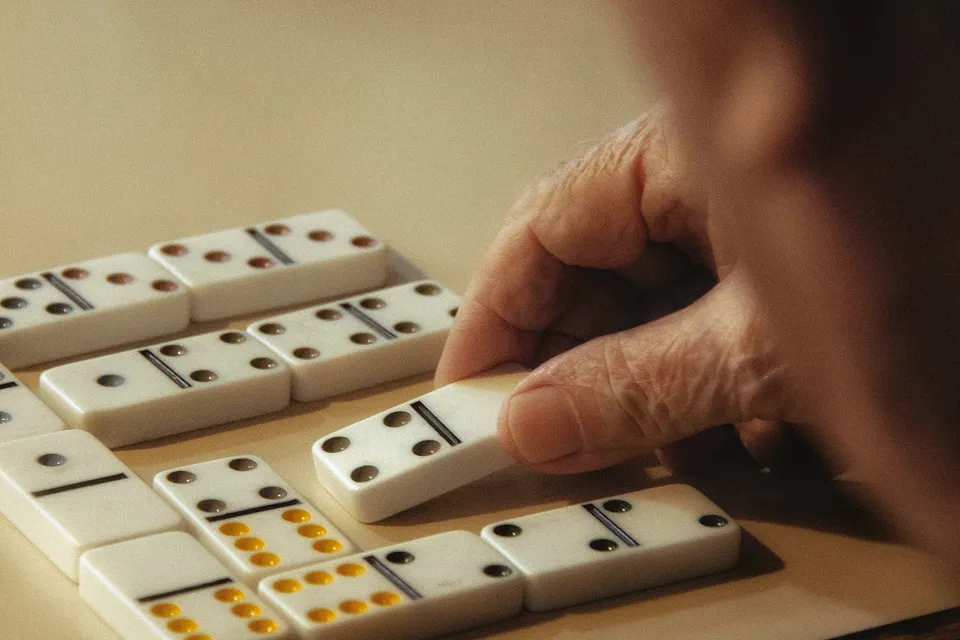
These are not entertainment extras. They form part of a broader approach to daily structure and participation.
What Makes a Program Effective
Having a few puzzles in the recreation room is a reasonable starting point, but a structured program requires greater consideration. Senior living communities should look beyond the number of activities offered and consider how consistently, inclusively and meaningfully residents can participate.
Regularity
Mental engagement works better as part of the weekly rhythm than as a special-occasion activity. A predictable calendar helps residents know what to expect and gives facilitators time to plan variety without overload.
Activities matched to different abilities
Residents differ in education, physical capacity, cognitive ability and personal preference. Some enjoy harder puzzles; others prefer music, conversation or familiar cultural activities. Good programs adapt so that people with different strengths can take part meaningfully.
Social participation
Group formats create natural openings for conversation, teamwork and shared goals. A team quiz or collaborative puzzle shifts the emphasis from individual performance to joint participation. For more group ideas, see these indoor games for senior citizens.
Integration with physical activity
Gentle movement, balance work and dual-task games can sit alongside cognitive activities when they are appropriate for the group’s health and mobility.
Consistent, thoughtful facilitation
Staff or facilitators need to explain activities clearly, encourage participation without pressure, and notice when someone needs a different level of challenge—or when a change in memory, behaviour or daily functioning calls for professional assessment rather than more games.
A Simple Weekly Activity Calendar
For communities looking to introduce structured activities, a simple weekly calendar can help establish a routine. Here is an example that can be adapted according to residents’ preferences and available resources.
Day | Suggested activity | Primary focus |
|---|---|---|
Monday | Memory games and recall exercises | Memory |
Tuesday | Word games and storytelling | Language |
Wednesday | Puzzles and strategy games | Reasoning |
Thursday | Gentle movement and coordination games | Physical + cognitive |
Friday | Group quizzes and team challenges | Attention + social participation |
Saturday | Music, reminiscence and group discussion | Emotional and social |
Sunday | Mindfulness, relaxation or individual hobbies | Emotional well-being |
This is a starting template, not a rigid schedule. Energy levels, cultural preferences and group size will shape what works in practice. Combining facilitated sessions with independent or small-group activity between sessions helps keep engagement steady through the week. Our weekly engagement plan for old age homes offers a fuller version.
Cognitive Wellness Activities vs Dementia Care
General cognitive wellness activities and clinical interventions for dementia serve different purposes.
For older adults without a diagnosed cognitive condition, reading, games, conversation and mental challenges can form part of an ordinary healthy-ageing routine.
However, for people living with dementia, activities usually need adaptation to current cognitive ability, stage of the condition and personal preference. Cognitive Stimulation Therapy (CST) is one structured group approach that uses enjoyable activities and discussion. A 2023 Cochrane review found small, short-term cognitive benefits for people with mild to moderate dementia, along with some improvements in communication, social interaction and quality of life. Longer-term effects remain less certain. The UK’s National Institute for Health and Care Excellence (NICE) guidance recommends group CST for mild to moderate dementia and stresses that activities should be tailored to the individual.
Senior living communities should not treat every resident’s cognitive needs the same way. When memory difficulties, confusion or changes in daily functioning appear, medical assessment is the appropriate next step. Brain games and wellness kits are not diagnostic tools and are not substitutes for clinical care.
How MHITR® Supports Communities
Introducing a structured cognitive wellness program does not necessarily mean building an entirely new activity department. Communities can work with organisations that already offer activities and programmes designed for older adults. (For a wider look at the options, see our overview of senior wellness programs in India.)
MHITR® offers several complementary approaches that senior living communities can consider.
Brain Olympics
MHITR®’s Brain Olympics is a structured, team-based brain-and-body event designed for senior living settings. It combines cognitive tasks, coordination challenges, gentle physical engagement and social participation. Activities include ring toss with recall, cup-based logic challenges, memory walks and coordination exercises. The team format turns the session into a shared community event rather than a series of individual drills.
Vayofit Online Program – group batches inside the community
Vayofit is MHITR®’s online healthy-ageing programme for adults 55+. Sessions last about 90 minutes and combine physiotherapy-led movement, cognitive activities, and yoga, breathing and relaxation practices. Live sessions run in English and Hindi in small groups (up to 20). Activities can be adapted for mobility and cognitive differences. Coordinated group participation allows a community to fold guided sessions into the regular weekly schedule.
Vayofit Wellness Kit
The kit offers a screen-free option. It contains six activity stations covering memory, orientation, arithmetic, language, reasoning and mindfulness. It can be used by individuals or in groups, in activity rooms or for independent engagement between facilitated sessions. It is designed as a practical engagement tool, not a medical or diagnostic device.
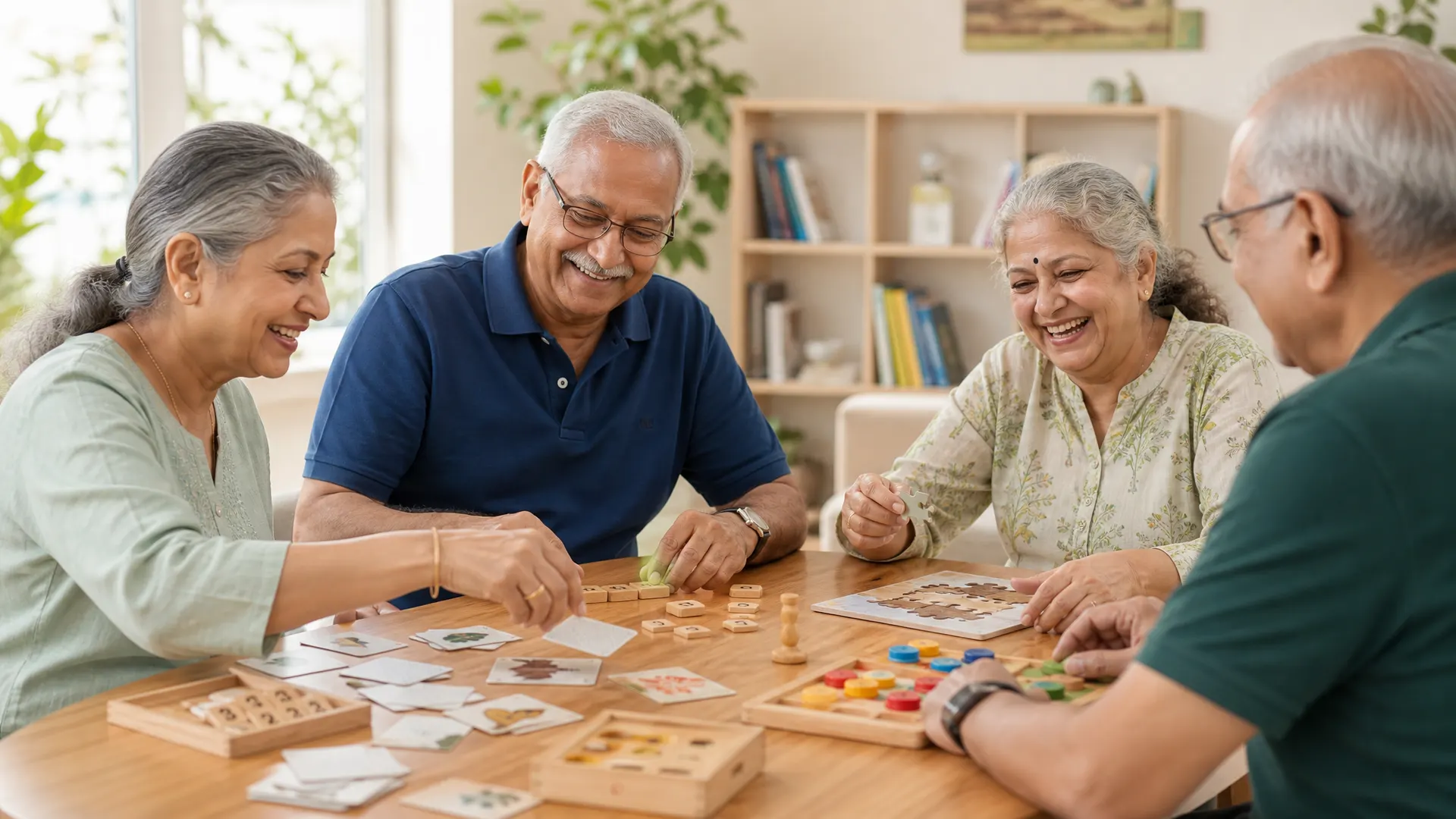
Together these options give communities different levels of structure—from a one-off event, to regular facilitated online sessions, to everyday materials residents can use on their own or in small groups.
Practical Next Steps
A senior living community is judged by more than its facilities. The everyday opportunities it creates for residents to stay curious, connected and involved matter as well.
Cognitive wellness programmes offer one concrete way to build those opportunities into the weekly rhythm. They work best when they are regular, adaptable, socially oriented and clearly distinguished from clinical treatment.
No single programme suits everyone, and no collection of brain games guarantees protection against dementia. What communities can offer is an environment in which mental engagement, physical activity and meaningful social interaction are consistently available.
If you are looking to introduce or strengthen a structured cognitive wellness program in your senior living community, MHITR®’s Brain Olympics, Vayofit group batches and Vayofit Wellness Kit are practical options to consider.
Contact MHITR® to discuss what would fit your community’s residents and resources.
Frequently asked questions
What is a cognitive wellness program for seniors?
It is a structured way of offering activities that encourage thinking, memory, communication, reasoning and problem-solving. In a senior living setting this usually means a mix of individual exercises, facilitated group sessions, interactive games and chances for residents to share experiences.
What activities should a senior living cognitive wellness program include?
A practical program covers memory and recall, reasoning and problem-solving, language and communication, attention and orientation, physical and cognitive coordination, and emotional and social engagement. Examples include memory cards, puzzles, word games, calendar exercises, gentle dual-task movement and music or group discussion.
What makes a cognitive wellness program effective?
Regularity, activities matched to different abilities, social participation, integration with suitable physical activity and consistent, thoughtful facilitation. Facilitators should also notice when a change in memory, behaviour or daily functioning calls for professional assessment rather than more games.
Can brain games prevent dementia?
No collection of brain games guarantees protection against dementia. WHO’s 2026 guidelines support cognitive stimulation and social activity as part of healthy ageing, but the recommendations are conditional and rest on very low to low certainty evidence.
Is a cognitive wellness program the same as dementia care?
No. General wellness activities suit older adults without a diagnosed cognitive condition, while people living with dementia need activities adapted to their ability and stage, such as Cognitive Stimulation Therapy. When memory difficulties, confusion or changes in daily functioning appear, medical assessment is the appropriate next step.