Food does far more than fill an empty stomach.
It can bring a family to the same table, it can carry memories from one generation to another, it can be the reason someone calls an old friend, visits a neighbour or asks, “Who made this? I need the recipe.”
As we grow older, food becomes part of a daily rhythm that provides nourishment, routine and connection. Most importantly, what we eat supplies the nutrients the body, including the brain, needs to function well.
What is the best brain food?
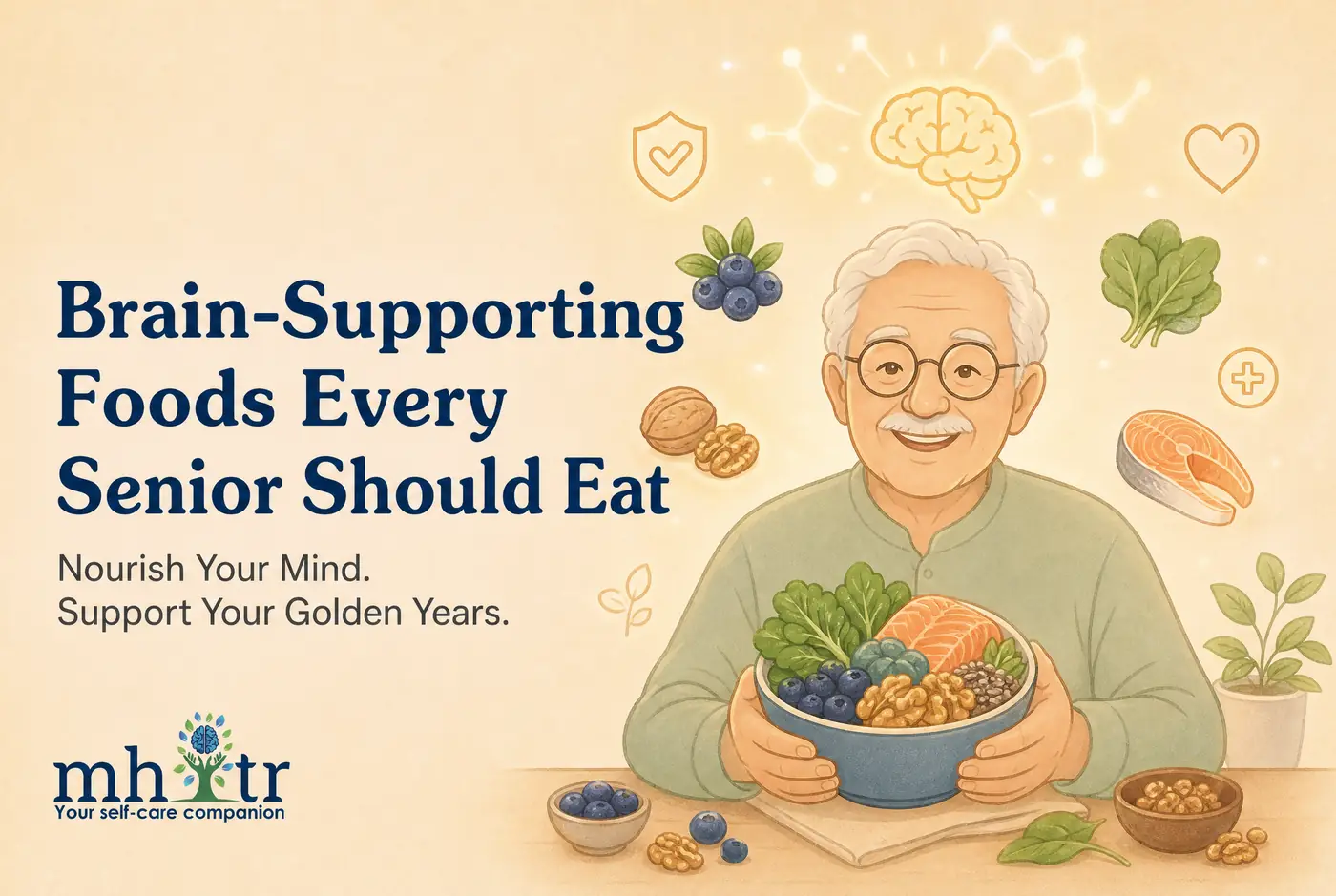
There is no single best brain food. The strongest evidence points to an overall eating pattern rather than one ingredient: plenty of leafy greens and other vegetables, berries and fruit, nuts and seeds, whole grains and pulses, with fatty fish and eggs for those who eat them. Eaten regularly, these foods supply the nutrients the brain uses and protect the heart and blood vessels the brain depends on.
The 12 foods covered in this guide are:
- Leafy green vegetables
- Colourful vegetables
- Berries
- Seasonal fruits
- Fatty fish
- Walnuts and other nuts
- Flaxseed, chia and other seeds
- Whole grains and millets
- Pulses and beans
- Eggs
- Milk, curd and paneer
- Healthy cooking oils
As we age, good nutrition for brain health in elderly people becomes a vital part of healthy ageing. A varied diet helps provide energy, protein, vitamins, minerals, fibre and healthy fats, while also supporting the cardiovascular and metabolic health that matters for the ageing brain. The World Health Organization (WHO) recommends a diverse diet built around vegetables, fruits, pulses, whole grains, nuts and appropriate sources of protein, adapted to culture and local availability.
Why there is no single “brain food”
In the modern age, the internet has certainly made us believe all sorts of things. One week it is blueberries. The next it is walnuts. Then turmeric is suddenly promoted from kitchen spice to neurological superhero. The reality is more tame and definitely more useful.
Unfortunately, we can’t point to one food that guarantees good memory or prevents cognitive decline. Instead, research increasingly looks at overall diet for cognitive health rather than isolated “superfoods.” One of the most studied patterns is the Mediterranean-DASH Intervention for Neurodegenerative Delay, or MIND diet.
The MIND diet combines elements of the Mediterranean and DASH diets. It places particular emphasis on leafy green vegetables, other vegetables, berries, nuts, whole grains, beans, and (where it fits a person’s preferences) fish and poultry, while limiting red meat, butter and margarine, cheese, pastries, sweets, and fried or fast food.
Evidence around the MIND diet is encouraging but not conclusive. Systematic reviews have found associations between greater adherence and better cognitive outcomes. A large three-year randomised trial, however, did not find a significant difference in cognitive change between the MIND diet and a control diet that also involved calorie reduction. Both groups improved.
That is a useful lesson. We are not chasing a miracle diet but rather trying to build a consistently nutritious one that people can actually enjoy and sustain. Which is the closest thing we currently have to a “best diet for aging brain health.”
12 best brain foods for seniors
None of the foods below is medicine, and none works alone. Each earns its place because it is part of the eating patterns studied for brain ageing, and because it fits easily into an ordinary Indian kitchen.
1. Leafy green vegetables
Spinach, methi, mustard greens, amaranth, fenugreek leaves and other leafy vegetables are nutrient-dense additions to a balanced diet. The MIND diet gives leafy greens particular importance, and broader healthy-diet guidance also recommends vegetables as regular components of meals.
In one prospective study of older adults, people who ate about one serving of leafy greens a day showed slower cognitive decline over time than those who rarely ate them. That is an association rather than proof of cause, but it is a low-risk habit with plenty else to recommend it.
Luckily enough, Indian kitchens already know what to do with them. There is no need to sit down with a bowl of raw spinach and contemplate life choices.
Make palak dal.
Cook methi with potatoes or other vegetables.
Stir greens into a familiar sabzi.
Add a handful to sambar or rasam.
Use whatever seasonal leafy vegetables are available and affordable locally.
Healthy eating works better when it fits the food people already know and enjoy.
2. Colourful vegetables
A plate filled with different colours is certainly more attractive. But that is not all. Fruits and vegetables provide fibre, vitamins, minerals and a wide range of plant compounds that support overall health.
Carrots, tomatoes, pumpkin, beetroot, brinjal, beans and the many gourds of Indian cooking all count. The MIND diet asks for at least one other vegetable a day in addition to leafy greens, which most home-cooked Indian meals already manage through a sabzi, sambar or a simple salad.
3. Berries
Berries are the one fruit the MIND diet names specifically. They are rich in flavonoids, the plant compounds that give them their colour. In a long-running study of older women, those who ate more blueberries and strawberries had slower rates of cognitive decline. Again, this is an observed link, not a guarantee.
Imported blueberries are not required. Jamun, mulberries, strawberries and other local berries are sensible choices when they are in season and affordable.
4. Seasonal fruits
Most diets specifically include berries, while broader guidance encourages a wide variety of fruits and vegetables. For an Indian household that can mean choosing from what is available and affordable rather than chasing imported “superfoods.”
Guava, papaya, oranges, pomegranate, bananas, apples, seasonal mangoes, local berries when available, carrots, tomatoes, gourds and a rotating mix of other vegetables all contribute to dietary variety. A healthy lifestyle doesn’t have to break the bank.
5. Fatty fish
Omega-3 foods for brain health bring fish into the conversation. Fatty fish provide the long-chain omega-3 fatty acids EPA and DHA, which are important components of cell membranes and relevant to the nervous system. Where fish fits a person’s dietary preferences, varieties such as sardines, mackerel or other oily fish can be useful additions.
6. Walnuts and other nuts
Nuts offer more than their size indicates. Walnuts often receive attention because they provide polyunsaturated fats, including alpha-linolenic acid. Almonds, peanuts, cashews and other nuts also contribute protein, fibre, unsaturated fats and micronutrients.
There is no single important nut but we can consider other dietary restrictions based on individual health and genetics. Simply make nutrient-rich foods part of the overall diet.
A small handful of unsalted nuts can work as a snack, be added to breakfast porridge or simply become part of a meal. Seeds such as flaxseed and chia are especially useful for those following vegetarian diets. And yes, they can be eaten without pretending they are medicine.
7. Flaxseed, chia and other seeds
For those who prefer vegetarian or plant-based eating, flaxseed, chia seeds and walnuts provide the omega-3 fatty acid ALA. These can be ground and stirred into dal, porridge, curd or rotis.
Getting omega-3s from food is not the same as assuming omega-3 supplements will automatically improve memory. Nutrition is not that simple. Food first is the more reliable approach. We have been eating it for centuries.
8. Whole grains and millets
Whole grains, legumes and pulses form another important part of a healthy dietary pattern. WHO recommends whole grains and pulses such as lentils, chickpeas and beans as major sources of carbohydrates and fibre. For the elderly in India this will not require reinventing the kitchen.
Dal, rajma, chana, whole-wheat roti, oats, ragi, jowar, bajra and other suitable millets can all sit comfortably in a diet. The Indian Council of Medical Research (ICMR) and National Institute of Nutrition’s (NIN) 2024 dietary guidelines place cereals and millets, pulses and beans, green leafy vegetables, other vegetables, fruits, nuts and milk or curd among the food groups used to construct a balanced plate.
9. Pulses and beans
Dal, rajma, chana, moong and lobia provide protein, fibre, folate and iron in one inexpensive bowl. The MIND diet includes beans several times a week, and for vegetarian households pulses are the main everyday source of protein. A meal of dal with roti or rice and a vegetable already covers a good part of what a brain-supportive plate asks for.
10. Eggs
Eggs provide good-quality protein along with vitamin B12 and choline, nutrients the nervous system relies on. They are also soft, quick to cook and easy to chew, which matters for many older adults. For those who eat them, a boiled egg or a simple bhurji is an easy addition to breakfast.
11. Milk, curd and paneer
Protein deserves attention when we discuss foods for memory and focus and wider nutrition for the elderly. Adequate protein supports not only the brain but also muscle mass, strength and overall function.
Eggs, milk, curd, paneer, pulses, and (where preferred) fish or poultry can all have a place depending on individual dietary habits and health needs. The important point is that a brain-supportive diet should focus on more than just one aspect of nutrition. Healthy ageing is a team effort. The brain, muscles, heart, bones and digestive system all live in the same person.
12. Healthy cooking oils
The type of fat matters as much as the amount. WHO advises choosing unsaturated fats over saturated and trans fats. The MIND diet uses olive oil as its main cooking fat; in Indian kitchens, oils such as mustard, groundnut, sesame, soybean or sunflower, used in moderate amounts, serve the same purpose. Vanaspati and frequent deep-frying are the habits worth cutting back.
Foods for memory in older adults
No food has been shown to restore lost memory or prevent dementia. What a good diet can do is supply the nutrients memory and attention depend on, and look after the blood vessels that feed the brain. This table summarises what each food group contributes and the easiest way to eat it.
| Food | What it provides | Easy way to include it |
|---|---|---|
| Leafy greens | Folate, vitamin K, carotenoids | Palak dal, methi sabzi, greens in sambar |
| Berries and seasonal fruit | Flavonoids, vitamin C, fibre | One or two fruits a day as snacks |
| Fatty fish | Omega-3 fats (EPA and DHA) | Sardines or mackerel once or twice a week |
| Nuts and seeds | Unsaturated fats, vitamin E, plant omega-3 (ALA) | A small handful of unsalted nuts; ground flaxseed in curd or roti |
| Whole grains and millets | Fibre, B vitamins, steady energy | Whole-wheat roti, ragi, jowar, bajra, oats |
| Pulses and beans | Protein, folate, iron, fibre | Dal, rajma or chana most days |
| Eggs and dairy | Protein, vitamin B12, choline, calcium | A boiled egg, a bowl of curd, a little paneer |
Food is one part of the picture. Good sleep in later life, a few daily mental exercises and knowing the early signs of cognitive decline matter just as much.
Foods that support healthy ageing
A brain-supportive plate is the same plate that supports the heart, muscles, bones and digestion. That is also how a healthy ageing program such as Vayofit approaches later life: movement, mental engagement and social connection alongside everyday habits like eating well, rather than any one fix on its own.
Food has never been only about nutrition. It is the recipe someone has cooked for forty years, it is the meal a grandmother teaches her grandchildren, it is the tea that turns into a two-hour conversation, it is the dish that appears at every family celebration.
That matters. A healthy diet completely disconnected from someone’s culture, preferences and enjoyment doesn’t really sit well and is unlikely to be sustainable.
Healthy food doesn’t equal tasteless food. Indian cooking already has an extraordinary vocabulary of flavour; turmeric, cumin, coriander, ginger, garlic, mustard seeds, curry leaves, cardamom and countless others. WHO’s healthy-diet guidance encourages reducing excess salt and unhealthy fats, but that does not mean reducing meals to boiled vegetables and sadness. Herbs, spices and thoughtful cooking methods can make nutritious meals enjoyable while helping to reduce reliance on excessive salt, sugar and unhealthy fats. The healthiest meal, in my opinion, is one that nourishes the person and is enjoyable enough for them to want to eat it again.
Hydration and brain health
Hydration is easily the most overlooked part of nutrition. The elderly can be more vulnerable to dehydration, and some may not experience thirst as strongly as younger people. Water should have a regular place throughout the day, with individual fluid needs adjusted where medical conditions require it. For people with conditions such as heart failure or kidney disease, fluid recommendations may differ, so personalised medical advice matters.
In older adults, dehydration can show up as tiredness, dizziness or confusion, which is easily mistaken for something else. Water, buttermilk, thin dal, soups and fruit all count towards fluid intake.
Foods seniors should limit
Healthy eating is not just about “what new food can I try next?”. We must equally consider what we have already been eating this entire time.
Highly processed foods, foods high in free sugars, excess sodium, trans fats and excessive saturated fats can work against overall health when they make up too much of the everyday diet. WHO recommends limiting these while favouring diverse, minimally processed foods.
This does not mean that a biscuit with afternoon tea has suddenly become a public-health emergency. The issue is pattern and frequency. An occasional treat can remain an occasional treat. The bigger question is what the everyday diet looks like.
What about supplements?
The phrase “brain health” has made supplements into the next big thing. More capsules do not automatically mean more brain health.
A person with a documented nutrient deficiency may require supplementation. Someone taking certain medications or managing a chronic condition may also have specific nutritional requirements. But supplements should not replace a balanced diet, and older adults should discuss them with a doctor, pharmacist or dietitian when appropriate; particularly because supplements can interact with medicines.
Food first. Supplements when there is a clear reason for them. That is a safer philosophy than buying every bottle labelled memory, focus or brain power.
When nutrition support may be needed
General advice has limits. It is worth speaking with a doctor or a registered dietitian if an older adult:
- is losing weight without trying, or has a poor appetite for more than a couple of weeks
- has difficulty chewing or swallowing
- lives with diabetes, kidney disease, heart failure or another condition that changes what they can safely eat or drink
- follows a strictly vegetarian diet and has not had vitamin B12 checked
- takes several medicines, or is considering a supplement
- shows new or worsening memory problems or confusion
A sudden change in memory or thinking needs a medical assessment, not a change of diet.
Making brain-healthy eating part of everyday life
Nutrition becomes easier when it is ordinary. Eating is essentially an ancient art at this point. We can forget everything else but we can never forget to eat.
Add vegetables to familiar meals.
Keep fruit available for snacks.
Include pulses regularly.
Choose whole grains and millets more often.
Include nuts and seeds in sensible portions.
Use healthy cooking oils appropriately.
Drink enough water.
Keep highly processed and heavily salted foods as occasional rather than everyday choices.
And most importantly, make meals enjoyable.
Cooking itself can become an engaging activity for older adults. They can choose vegetables at the market, help prepare ingredients, teach a family recipe, plan a weekly meal or share food with relatives and friends. This turns nutrition into more than a list of nutrients. It becomes part of an active daily life. Good food also works best alongside the other habits that keep an older mind engaged, such as gentle movement in a wellness program for seniors and screen-free brain games.
The brain eats at the same table as the rest of you
There is no magic ingredient hiding at the bottom of a packet. No single fruit can carry the entire burden of brain health. No supplement can replace years of balanced eating. And no diet can guarantee that ageing will never bring cognitive changes. But good nutrition gives the body something valuable: a better foundation from which to age.
A varied dietary pattern rich in vegetables, fruits, whole grains, pulses, nuts and appropriate protein sources is supported by established healthy-diet guidance. The MIND diet provides one researched framework specifically focused on brain ageing, although its clinical evidence remains mixed and evolving.
And perhaps that is the most useful way to think about foods for memory and focus. Not as miracle workers. Not as medicine disguised as lunch. Just good food, eaten consistently, enjoyed with people, and chosen with a little more thought. Because sometimes supporting the ageing brain starts with baby steps: putting a good meal on the table.
Frequently asked questions
What is the best brain food?
There is no single best brain food. Research supports an overall pattern instead: leafy greens and other vegetables, berries, nuts and seeds, whole grains, pulses and, for those who eat them, fatty fish and eggs.
Which foods are good for memory in older adults?
Leafy greens, berries, nuts, seeds, pulses, whole grains, fatty fish, eggs and curd supply nutrients linked with memory and attention, such as folate, vitamin B12, omega-3 fats and flavonoids. They support memory as part of a regular diet; they do not reverse memory loss.
Can diet prevent dementia?
No diet can guarantee that. Studies link patterns such as the MIND diet with better cognitive outcomes, but a large three-year trial found no clear advantage over a comparison diet. A balanced diet is best seen as one of several habits that support brain health.
What are good vegetarian brain foods for seniors in India?
Dal and other pulses, leafy greens such as palak and methi, millets, curd, paneer, walnuts, and ground flaxseed or chia seeds for plant omega-3. Strict vegetarians should ask their doctor about checking vitamin B12.
Which foods should seniors limit for brain health?
Highly processed foods, sugary snacks and drinks, very salty foods, vanaspati and other trans fats, and frequent deep-fried food. An occasional treat is fine; the everyday pattern is what matters.
Do seniors need brain health supplements?
Usually not. Supplements are useful when a doctor has identified a deficiency, such as low vitamin B12 or vitamin D. They can interact with medicines, so older adults should check with a doctor or pharmacist first.
References
Kheirouri, S., & Alizadeh, M. (2022). MIND diet and cognitive performance in older adults: A systematic review. Critical Reviews in Food Science and Nutrition, 62(29), 8059–8077. PubMed
van Soest, A. P. M., Beers, S., van de Rest, O., & de Groot, L. C. P. G. M. (2024). The Mediterranean-Dietary Approaches to Stop Hypertension Intervention for Neurodegenerative Delay (MIND) diet for the aging brain: A systematic review. Advances in Nutrition, 15(3), 100184. PubMed
Barnes, L. L., et al. (2023). Trial of the MIND diet for prevention of cognitive decline in older persons. New England Journal of Medicine. NEJM
National Institute of Nutrition. (2024). Dietary guidelines for Indians, 2024. Indian Council of Medical Research. NIN
World Health Organization. (n.d.). Healthy diet. WHO fact sheet
World Health Organization. (2022). Eating well in later adulthood. WHO guidance
Morris, M. C., Wang, Y., Barnes, L. L., Bennett, D. A., Dawson-Hughes, B., & Booth, S. L. (2018). Nutrients and bioactives in green leafy vegetables and cognitive decline: Prospective study. Neurology, 90(3), e214–e222. PubMed
Devore, E. E., Kang, J. H., Breteler, M. M. B., & Grodstein, F. (2012). Dietary intakes of berries and flavonoids in relation to cognitive decline. Annals of Neurology, 72(1), 135–143. PubMed